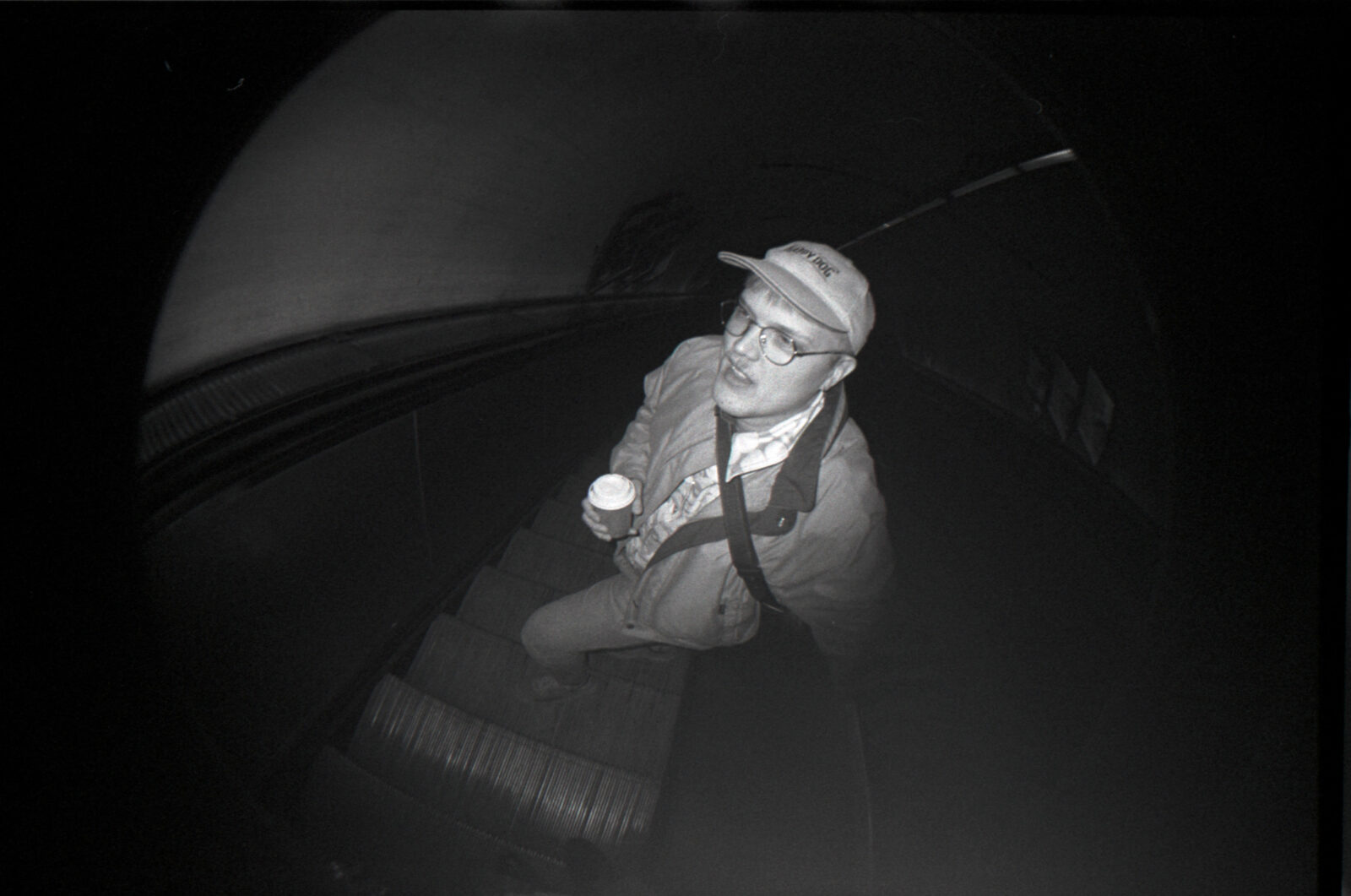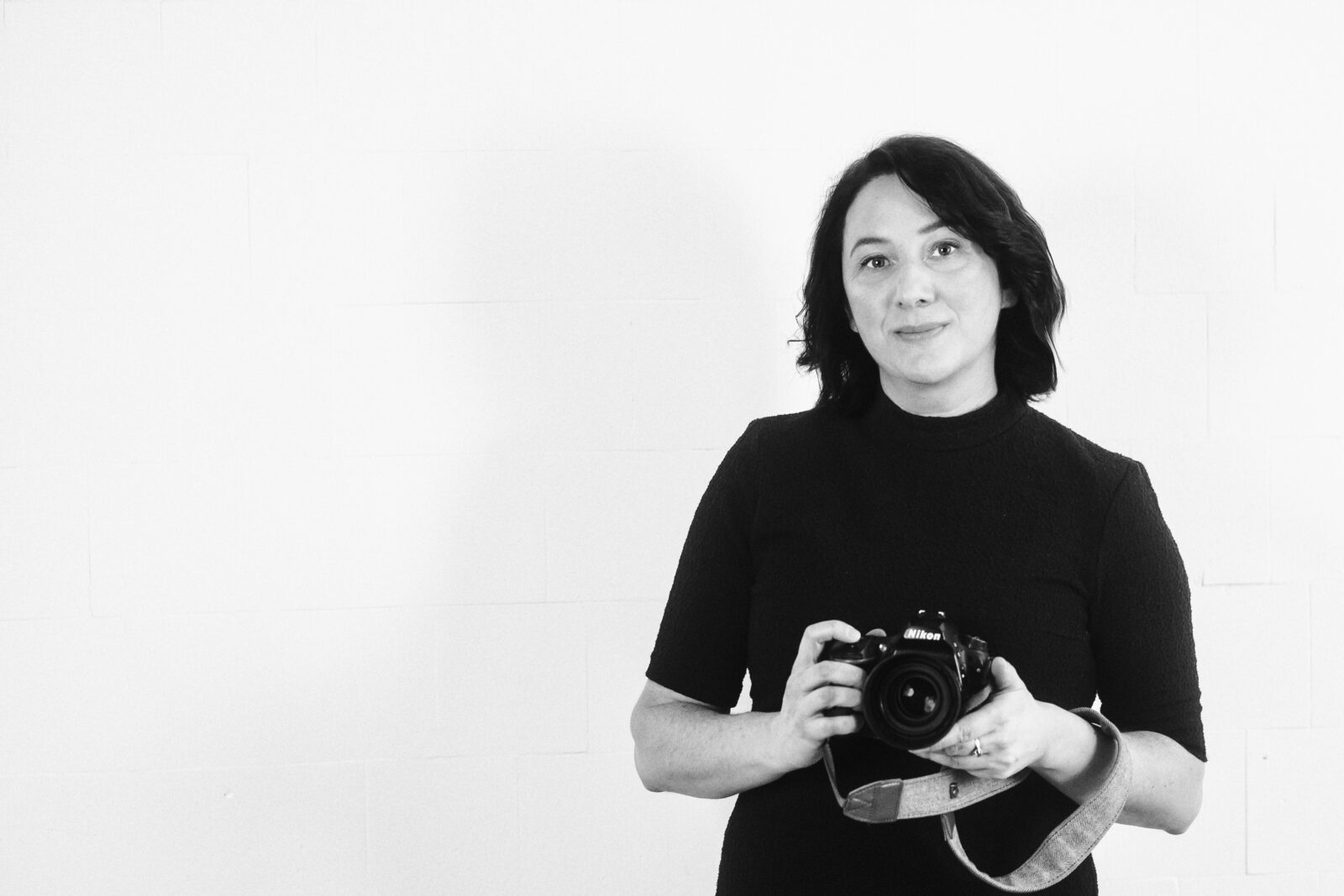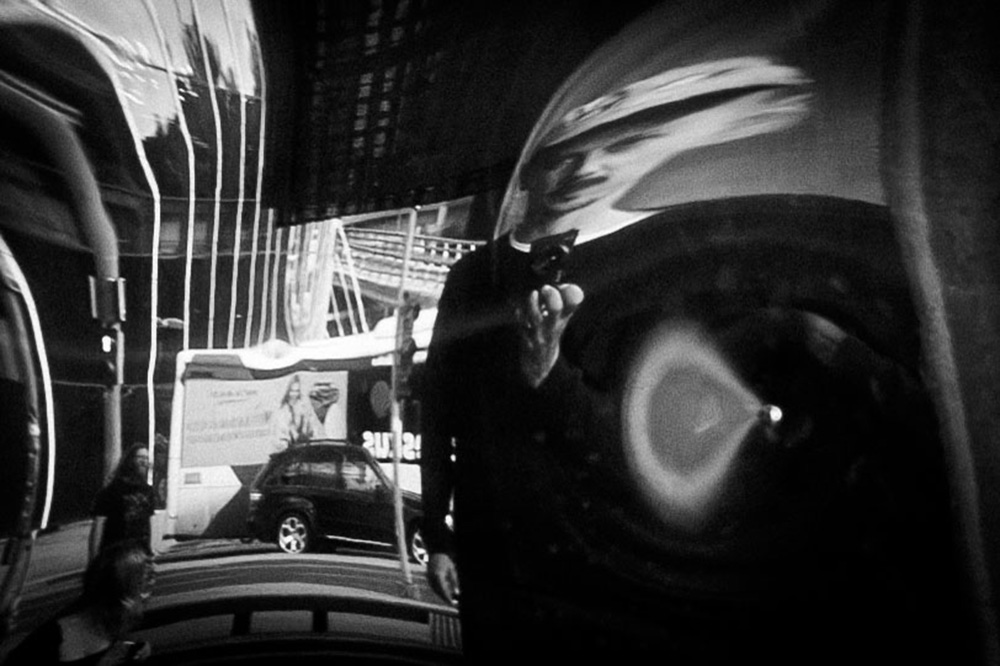
Ermo Naarits is a graphic designer and photographer who started his street photography journey abroad but now seeks interesting shots around Estonia.
You can read more in the interview about how he achieved his flawless aesthetic style and how he reached to publishing his first photography magazine.
How did you discover street photography?
It’s hard to say exactly when I discovered it, but I began seriously pursuing it about two and a half years ago when I decided to get myself a good camera and a couple of lenses. Since I had a lot of free time back then, I started experimenting and learning the technical aspects of the camera daily. I was living in Berlin at the time, which was an excellent environment with its diverse neighborhoods, people and architecture.
I bought my first (digital) camera in 2003 without a specific purpose. Mostly, I used it to photograph friends, acquaintances and some scenes related to it. Looking through my archives from that time, I noticed, that I already liked capturing random street scenes and people and experimenting with more abstract visuals. So, I feel that there was a subtle drive in my subconscious to create something more artistic with a camera on the street.
What does street photography mean to you? Why do you shoot on the street?
For me, it’s a hobby that helps fulfill a certain creative need. Street photography is also a form of meditation, allowing me to disconnect from everyday matters and immerse myself in my thoughts quite undisturbed. Often, I can sit in one place for hours, waiting for a moment worth capturing, during which I lose track of time and don’t even notice the surrounding noise.
Who or what has influenced you most in photography? Do you have role models?
It’s hard to say who or what has consciously influenced me, but if I have to name some individuals, I’d mention classics like Fan Ho, Elliot Erwitt, Saul Leiter, and Aleksey Titarenko.
Among contemporary photographers, I’ve always liked Phil Penman’s moody Manhattan views, Billy Dinh’s colorful moments from New York and his travels. I’d also mention British photographer Alan Schaller, who is likely familiar to any street photographer.
Since I’ve recently been drawn to more abstract photography, I’d also highlight Aleksandr Babarikin, whose vibrant, sometimes dreamlike, even eerie images often resemble paintings more than photos.
You mainly take black-and-white photos. Do you see the world in black and white directly through lens, or do you do this in post-processing? How much time do you spend on editing?
Usually, my camera is set to black-and-white mode, but not always. It sometimes helps me see composition better, but I feel I already have enough experience to recognize light and shadow forms in the environment with the naked eye.
In post-processing, I don’t use any extraordinary tricks – I crop if necessary, adjust brightness and contrast, and sometimes remove small dust particles that most people wouldn’t notice, but my meticulous nature can’t leave behind.
How did you come to your current style? Perhaps your design background plays a big role here.
I developed my style mainly through experimentation and extensive shooting, and I believe my role models have influenced me subconsciously. My professional experience in graphic design has undoubtedly helped me see and create compositions more easily.
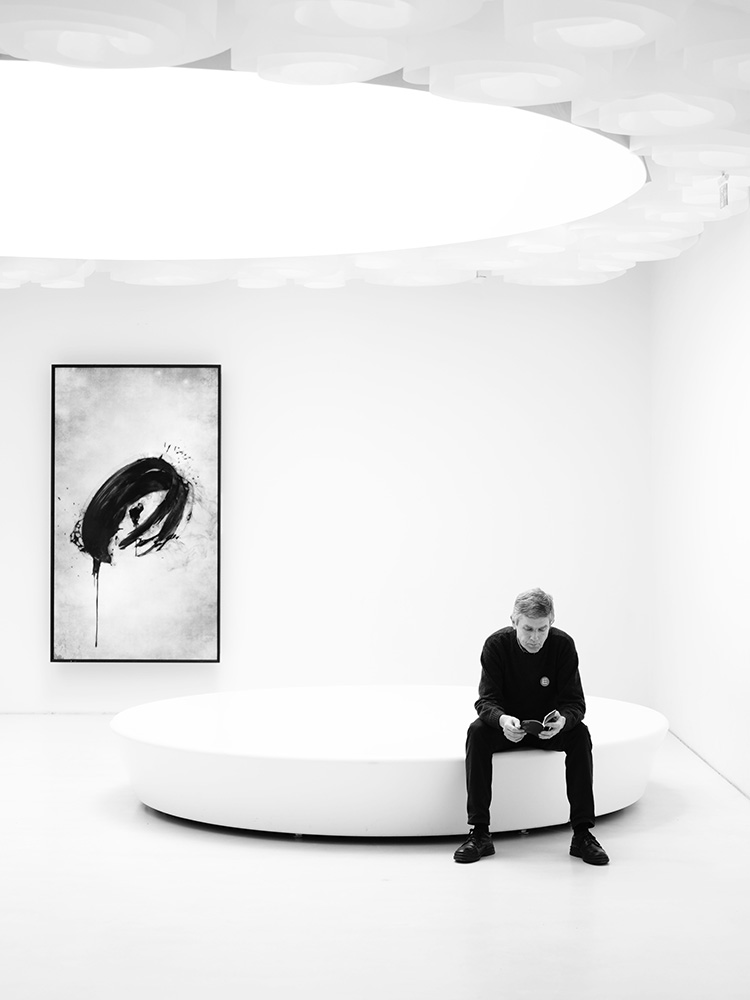
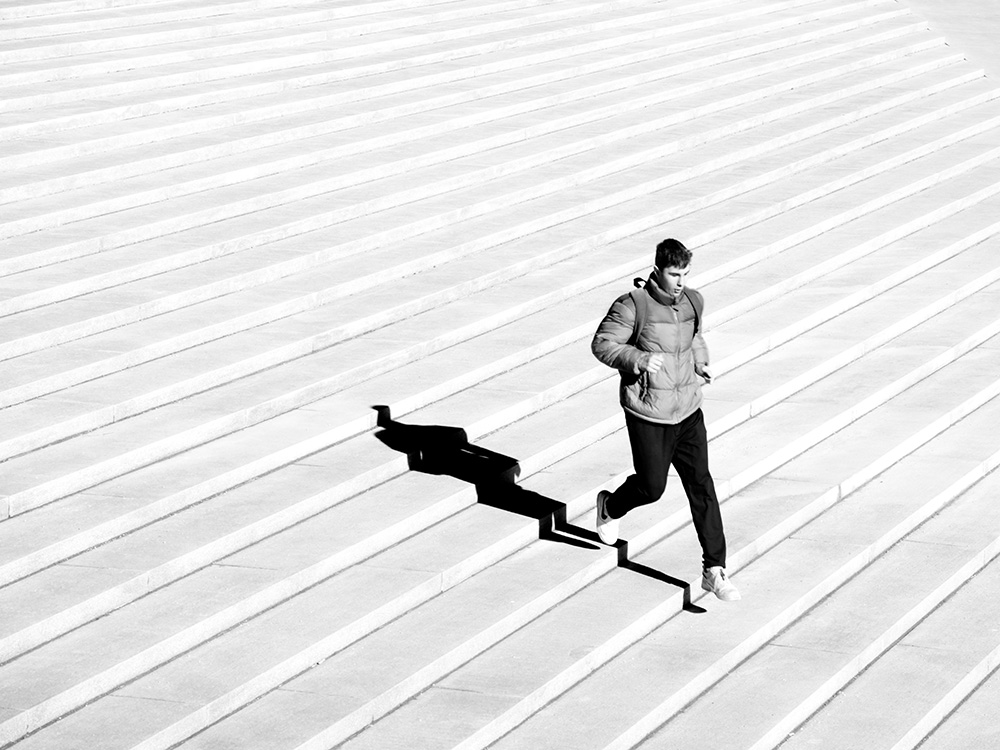
My introverted nature is also likely a reason why my photos look the way they do. I’m not bold enough to get too close to people with a camera, so the figures in my photos are usually further away and smaller, with more visual emphasis on the surrounding environment.
Your photos include many architectural and aesthetically pleasing shots. Is aesthetics the main focus in your photos or should a photo also convey a deeper meaning?
Unlike classic street photography, which is about capturing fleeting moments with less focus on composition and technical execution, I’m definitely more planned and primarily seek aesthetics.
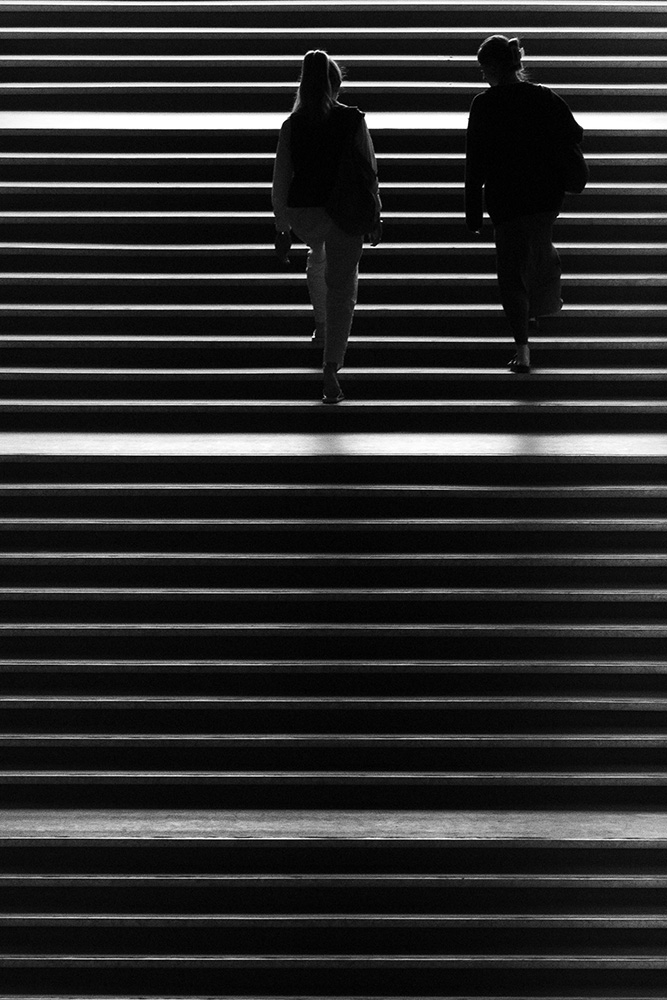
If there’s also a clear story to tell, that’s a nice bonus, but not always necessary. I find that a good composition, along with combining light, shadows and environment, allows viewers to use their imagination to create stories and interpret deeper meaning, even without a human figure.
How often do you get out on the streets to take photos?
Well, not as often as I’d like anymore. When I started taking photography more seriously a couple of years ago, I had plenty of free time and could go out with my camera almost daily. Life has changed a lot over the past year, shifting priorities, so photography has taken a bit of a backseat. However, I always try to take my camera with me if I know I’ll be spending more time on the streets.
You often shoot abroad. Is it easier to find such urban shots in a different environment, or it doesn´t matter where you shoot?
Generally, I find more inspiration abroad in big cities, making it easier to achieve satisfying results for myself. In Tallinn (and in Estonia in general), where I live, there’s often too much visual noise on the streets, which can disturb the picture.
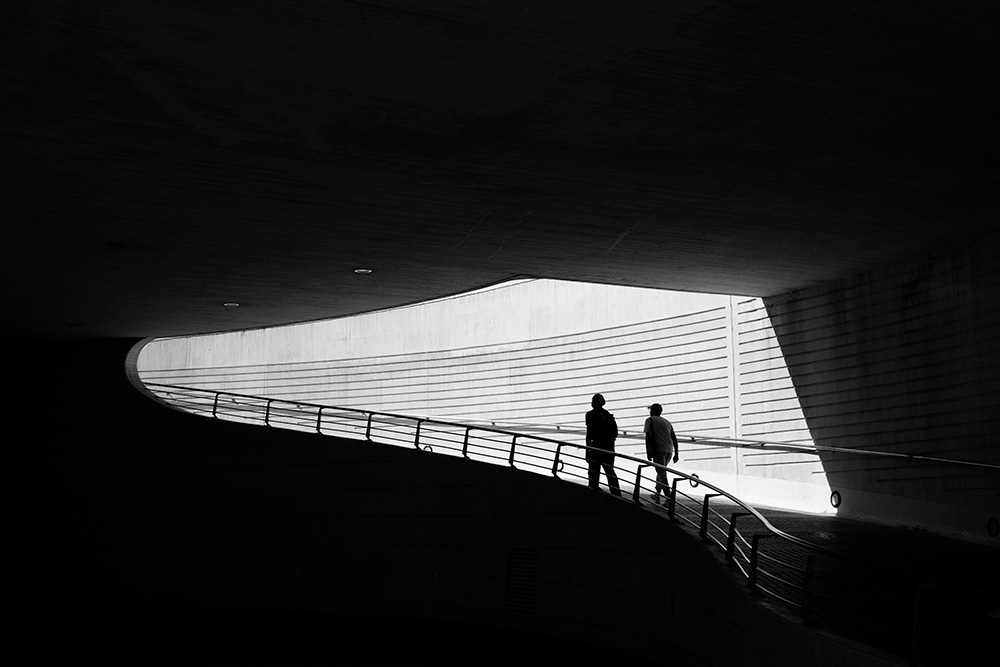
My style is rather minimalist and clean-lined, so creating such compositions is challenging, but not impossible – it just takes more time to find and capture the right spots and moments.
Your photo magazine (or so called zine) was just released. How did this come about, and what works did you include, and why?
I got involved with Docu magazine through Instagram. Its concept is simple – the publisher offers photographers a free opportunity to showcase their work by producing and laying out the magazine at their own expense, then printing it based on orders. If a photographer orders an issue for themselves, they also promote it on social media.
Since most images are shared digitally these days, this is a great way to introduce my work to a broader audience through print media. I selected a cross-section of my work from the past couple of years, including some previously unpublished photos, thinking it would be a great way to see the growth of my photography in print, as much as twenty photos allow.
Do you have any tips for beginners?
- Don’t stress about photo equipment; any camera is good.
- Take as many photos as possible; practice makes perfect.
- Shoot what you want, not what others want.
Could you share the story behind one of your photos?
Lady in the Fog
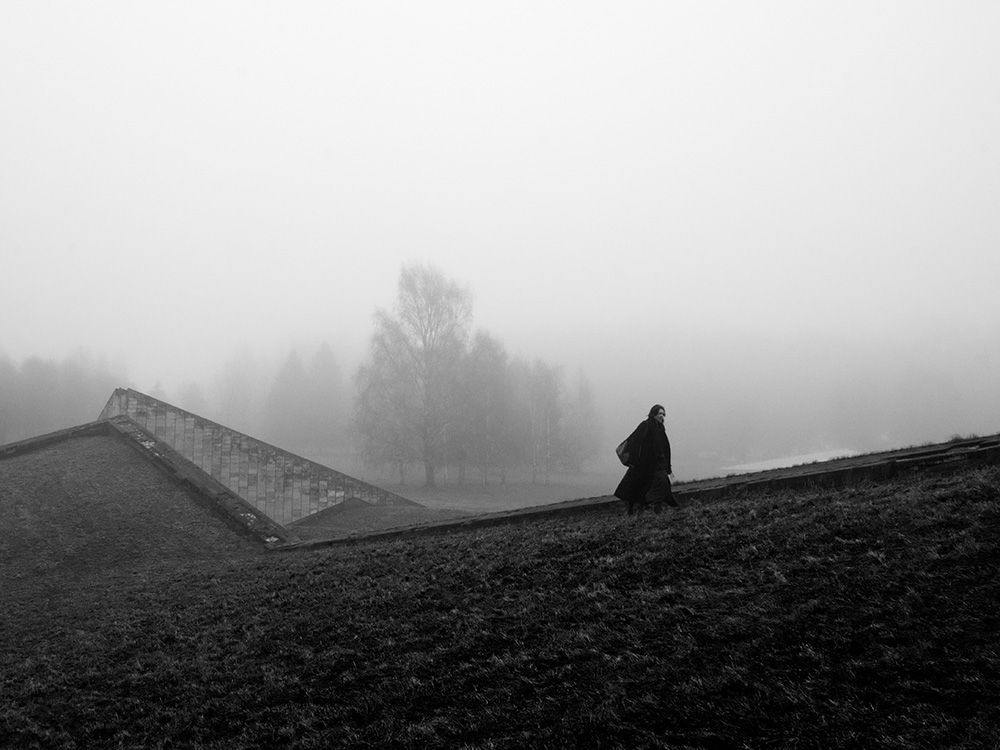
It was an early February morning, and while making my morning coffee, I noticed an unusually thick fog outside. With no important plans for the day, I took advantage of the weather and decided to go out shooting.
Fearing the fog might lift, I left home early and headed towards the old obelisk near Pirita road, as I had never explored there, and the fog and local geometric shapes seemed like an exciting challenge.
Upon arrival, I realized there was no one around. In my excitement, I had forgotten it was a cold, damp February morning on a weekday at 11 a.m. Nonetheless, I decided to wander around and take a few shots of the views.
After half an hour of trudging through the mud, I climbed on one of the “pyramid” to see what viewpoint it offered over the monumental park. I still hadn’t encountered a single soul. Suddenly, I heard a faint crackling behind me and, turning around, I saw two women approaching the pyramid tip along its edge.
Sensing a good opportunity, I moved a little further away, got the camera ready and snapped a few photos. I was exactly in the right spot to compose the foggy forest and a sharply contoured “wave” of the monument in the background. I liked how the second woman was obscured, giving the impression that the first lady was climbing alone. These were also the only people I saw in the park that day.
Where can your photos be found?
Main place for it is Instagram, where I curate a specific photo account under the name @monoruum. I also use the PortraitMode platform, where my selection is more casual than on Instagram. I occasionally post to the Estonian Street Photography Facebook group too.