
In photography, we often encounter expressions related to hunting (shooting, aiming, hunting). At the same time, you have probably also heard the term fishing. Is it merely slang, or is there something more behind these terms?
At first glance, one might assume these terms mean the same thing, but when examined more closely, it becomes clear that they refer to two distinctly different approaches within street photography.
So what are they about?
In the context of street photography, we usually understand what is meant when we hear these expressions. Still, to make things clearer, let’s look at them separately.
The common denominator in both cases is the tactic used to capture images.

Fishing
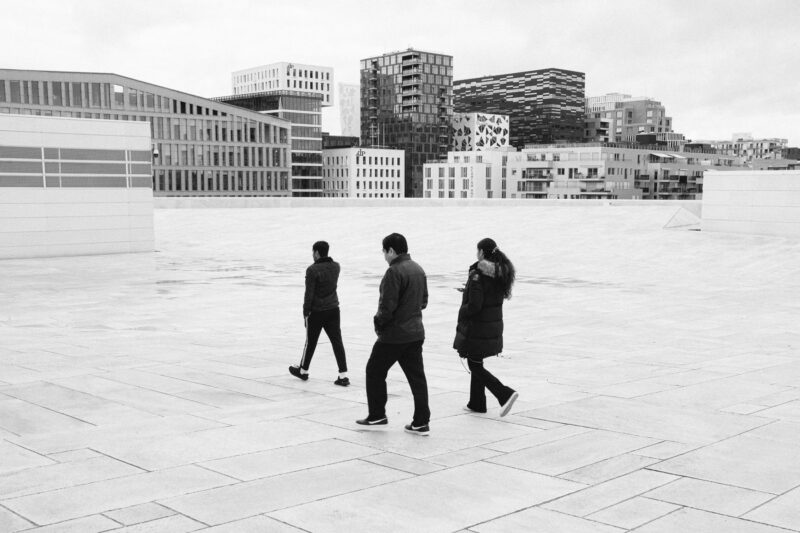
This approach suits people who want to avoid drawing too much attention or who do not yet feel comfortable photographing on the street. Pointing a camera at a stranger can often create inner discomfort, so to avoid attracting attention it makes sense to find a spot where you can comfortably observe your surroundings and photograph. Tactically, this largely means searching for an interesting background and then waiting. When using this tactic, the street photographer already has a vision—the image is formed in their mind—and all that remains is to wait for the main character whose presence will make the image come alive. Figuratively speaking, in fishing the angler finds a good spot, casts the line, and waits. Just like fishing, the expected result does not always arrive—but when it does, the joy is greater, and sometimes you might even catch something beyond what you imagined.
The photos below were created exactly in this way: I first searched for a background, then waited and observed what was happening. Many different images came from the windows of the Lisbon tram, but only a few truly appealed to me.


Hunting
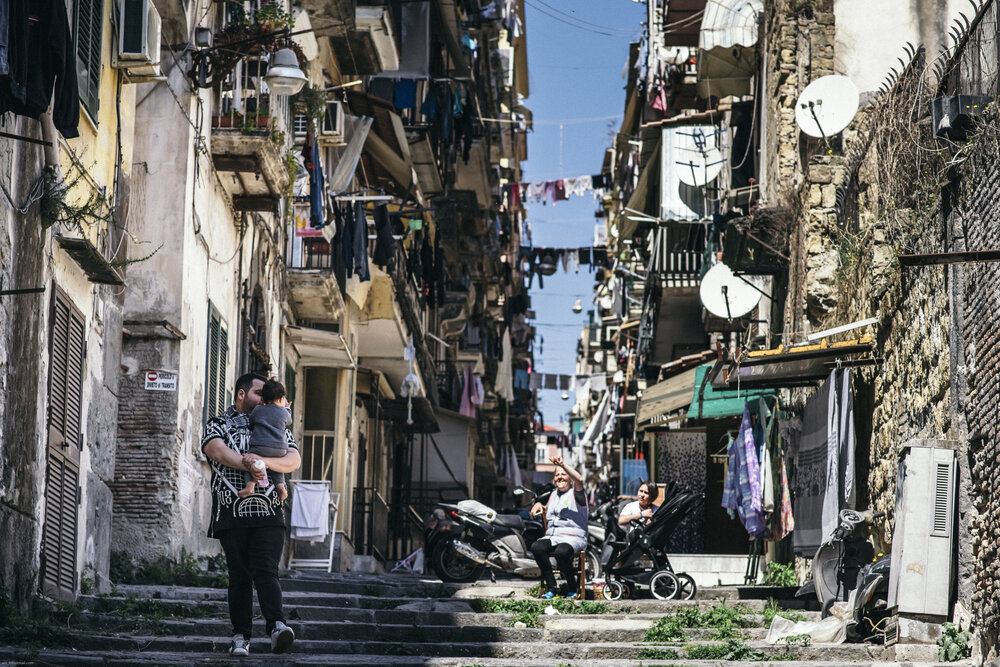
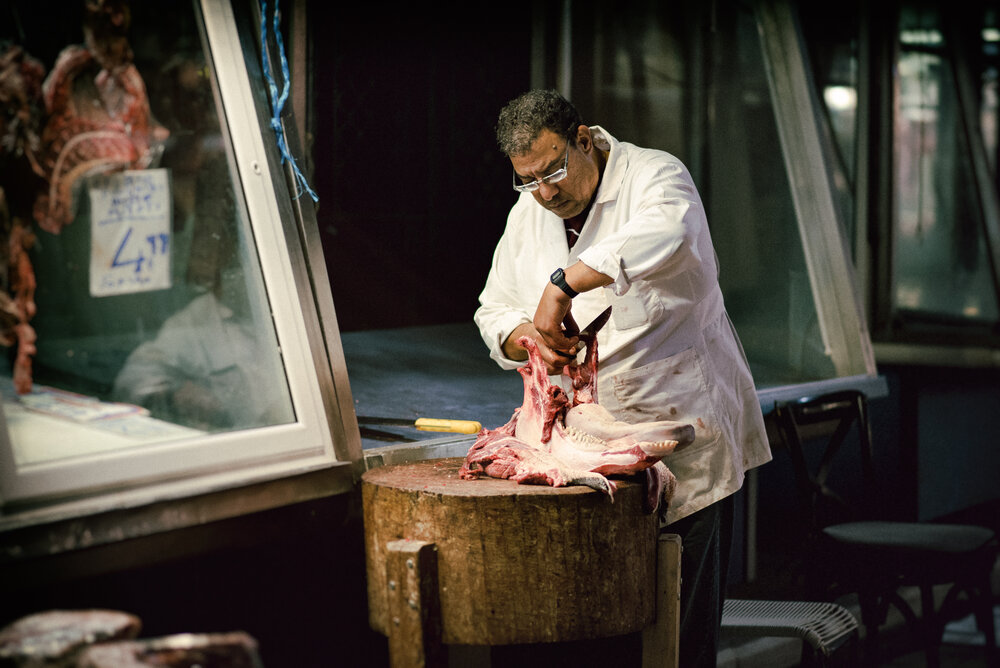
Hunting refers primarily to moving around and stalking the desired subject. An experienced hunter knows the environment well and understands the habits and behaviors of the animals. Taking all of this into account, the hunter develops a suitable strategy and chooses a route to follow. This approach is often characteristic of experienced street photographers and requires quick reactions and a deep familiarity with the camera. To achieve the best possible results, preparation is essential. The better you know your territory and understand how light moves depending on weather and time of day, the better your results will be. In creating compelling street photographs, it is not only the people who happen to appear in the frame that matter—a significant role is played by light and environment, meaning the background. A dedicated street photographer has mentally mapped out locations and made notes about what kind of lighting effects or interesting backgrounds are worth capturing.
Examples of hunting.