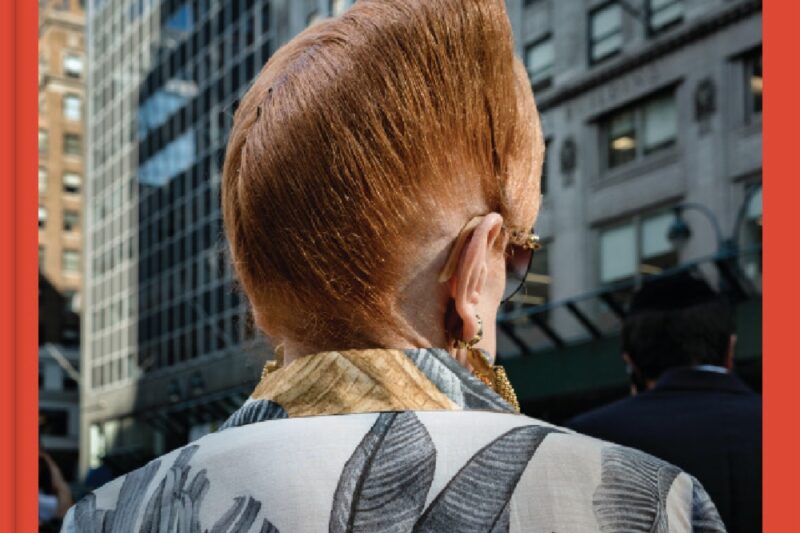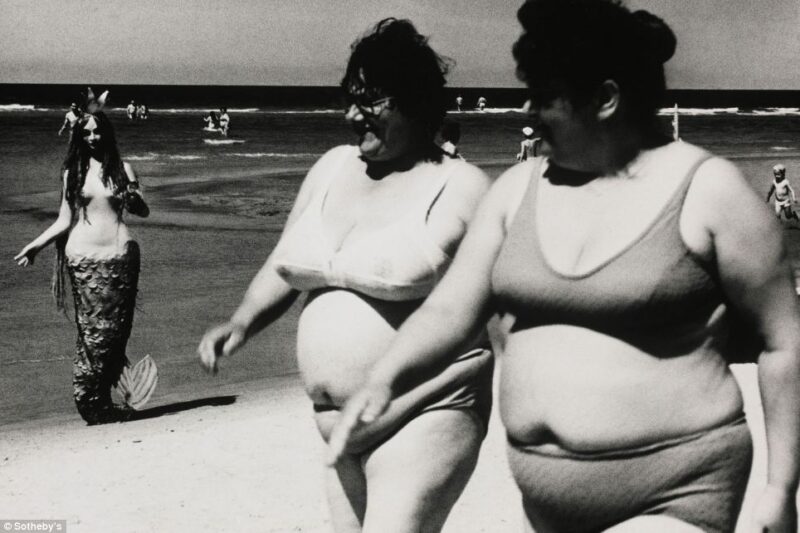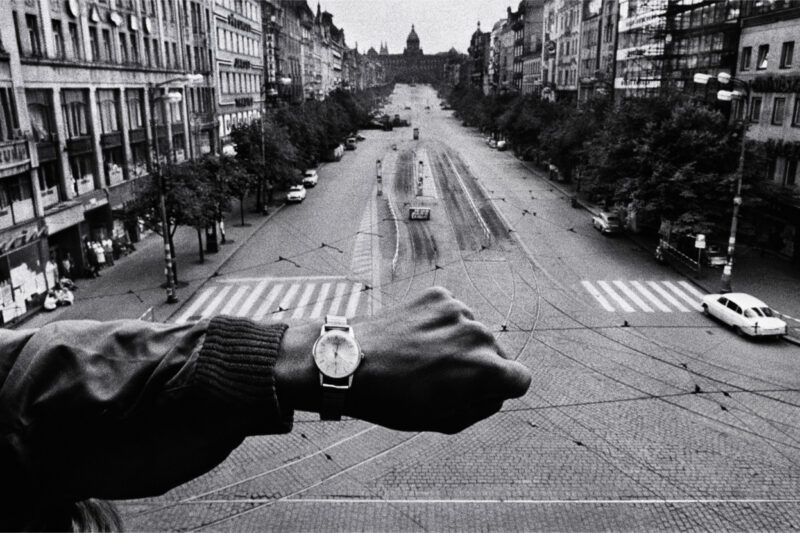

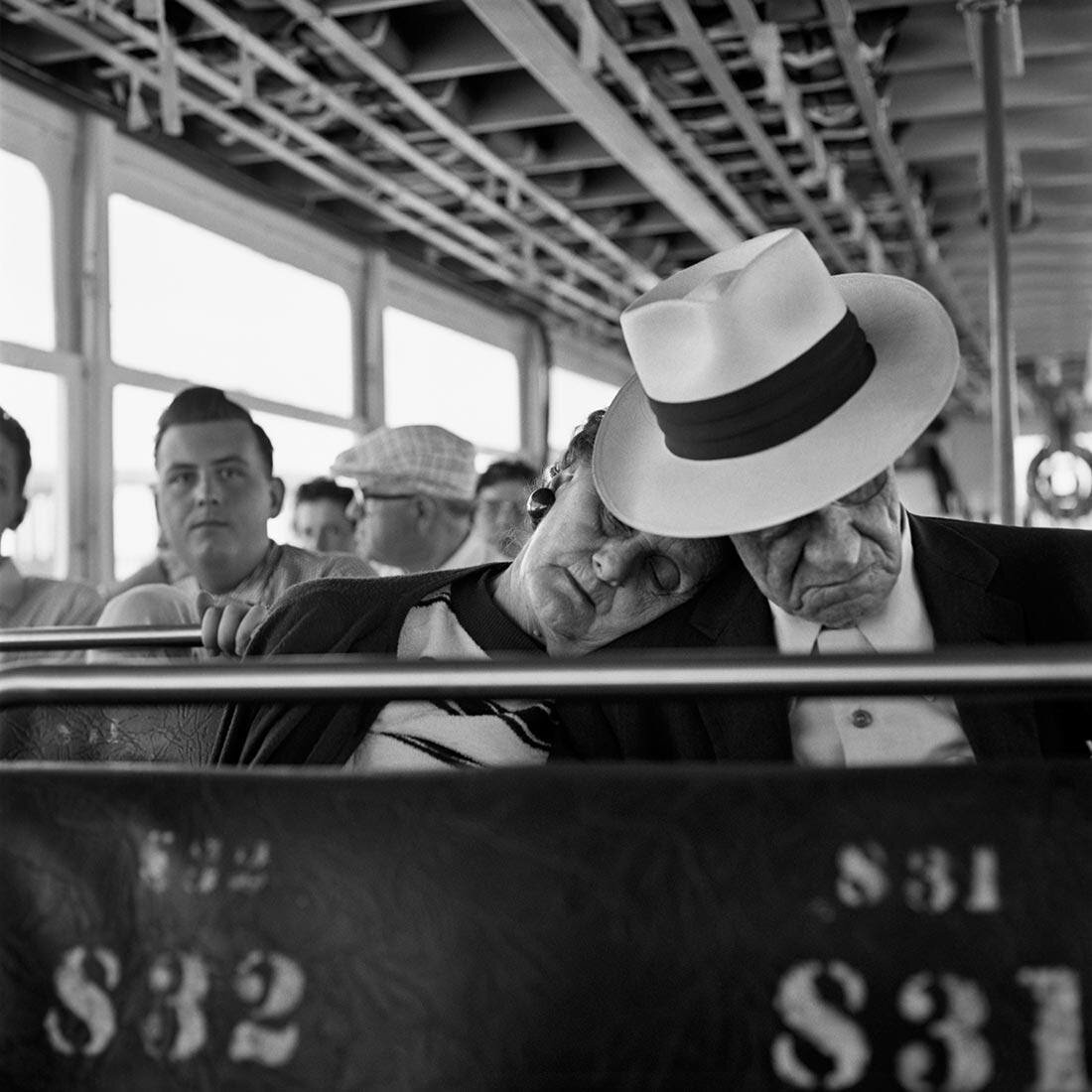
If you are fascinated by street photography and enjoy the work of the old masters, it might be time to pick up an analog camera yourself and try bringing home compelling frames from the street. To truly gain a feeling and better understand the world of street photography, taking some time to experience shooting on film is a great opportunity. I am quite certain that through this process you will discover many interesting things, and your photographic world may expand even further.

1. Teaches patience
To evaluate your images objectively, it is sometimes necessary to let time pass. The fresh emotions you experience in the moment of taking a photograph can prevent you from being objective about your own work. If you start editing and reviewing your images immediately after shooting, you may be guided more by the emotion you felt on the street than by a clear assessment of the image itself. Whether the photo is actually good and successful can be overshadowed by those emotions. Garry Winogrand even suggested waiting a year or two before selecting images. While this may seem extreme, the idea itself is valid.

2. Builds discipline
Don’t rush—think it through and enjoy the process. When reading advice from street photography enthusiasts, we repeatedly encounter the recommendation that planning is the foundation of a good image. Many might object, arguing that street photography should be spontaneous and focused on capturing the moment rather than something staged or planned.
There are different kinds of planning. For example, planning the time and route of your shooting can be decisive in getting a good image. To be in the right place at the right time, preparation is necessary. This does not exclude spontaneous walks with a camera, but the longer you practice street photography, the more you may find value in planning your actions. The results might even surprise you.
Self-discipline is also important. As digital photographers, we tend to shoot indiscriminately. The result is piles of images that later have little value. When you pick up a film camera, your thinking changes instantly, and your finger no longer presses the shutter so easily. You become more focused and analytical.

3. Helps refine technical skills
When shooting with an analog camera, you must understand at least the fundamentals of photography—you cannot rely solely on the camera to do the work for you. The advantage of manual shooting is that the photographer controls the entire process from beginning to end and decides what to emphasize or conceal in the image. Modern cameras are intelligent, but their automation often prevents you from fully exploring the interplay of shadows and light—one of the most exciting techniques in street photography. By mastering these skills through analog photography, your digital photography skills will certainly improve as well.
4. Teaches you to trust yourself
The constant need for immediate review in digital photography can cause you to miss the most interesting moments. Most digital photographers automatically look at the rear screen after taking a photo to check whether it turned out as intended. At times, this becomes almost like an addiction—a curiosity that prevents you from fully immersing yourself in the act of photographing.
With an analog camera, the photographer’s attention is 100% focused on capturing the image, not on analyzing it afterward. As a result, you are more likely not to miss important and decisive moments (decisive moment). Through this process, your confidence grows, helping you become a better photographer regardless of what camera you use.

5. Trains attentiveness
The overwhelming flow of information we consume daily makes it difficult to focus on a single subject. Street photography, however, requires concentration and presence in the moment—this is how images that tell stories and carry emotion are created. Looking at the world through a film camera forces us to slow down and carefully consider every frame we capture. Henri Cartier-Bresson and other Magnum photographers considered it a matter of honor to complete the image in-camera. For them, it was important that composition was resolved through the viewfinder, not later in the darkroom.