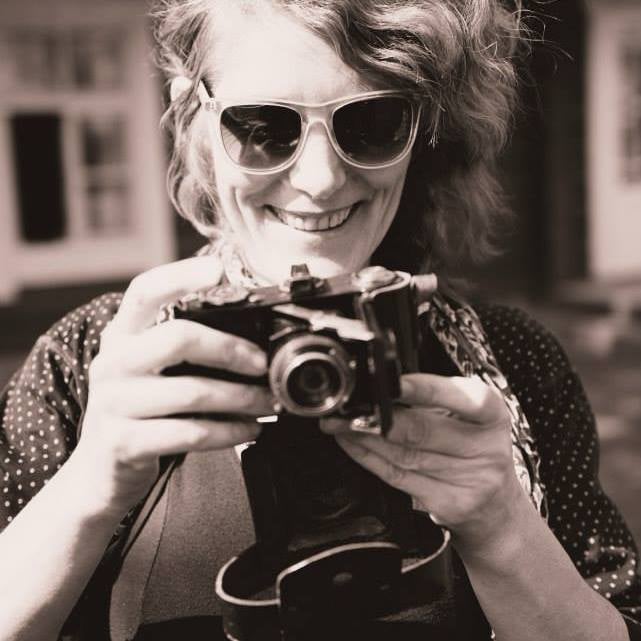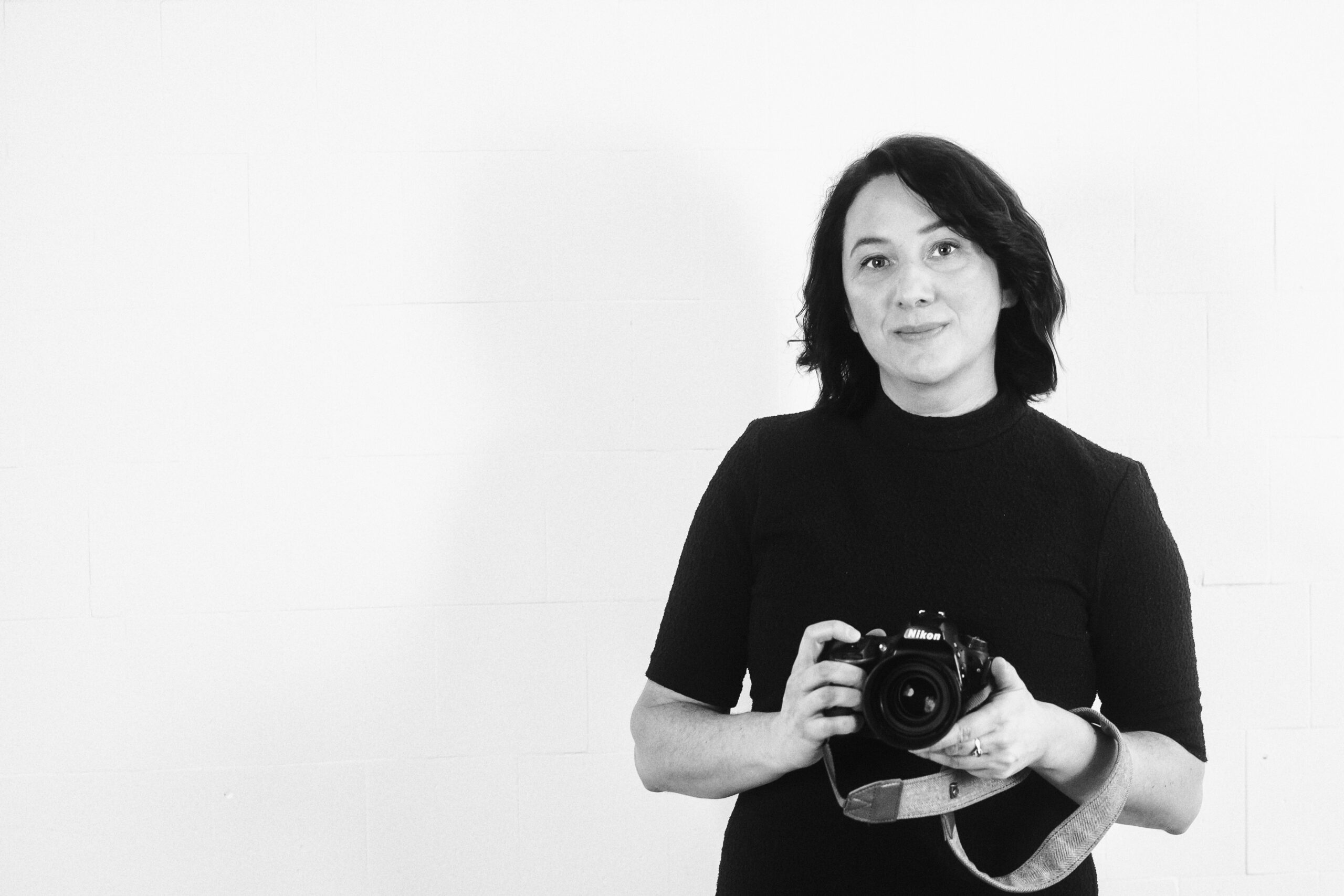
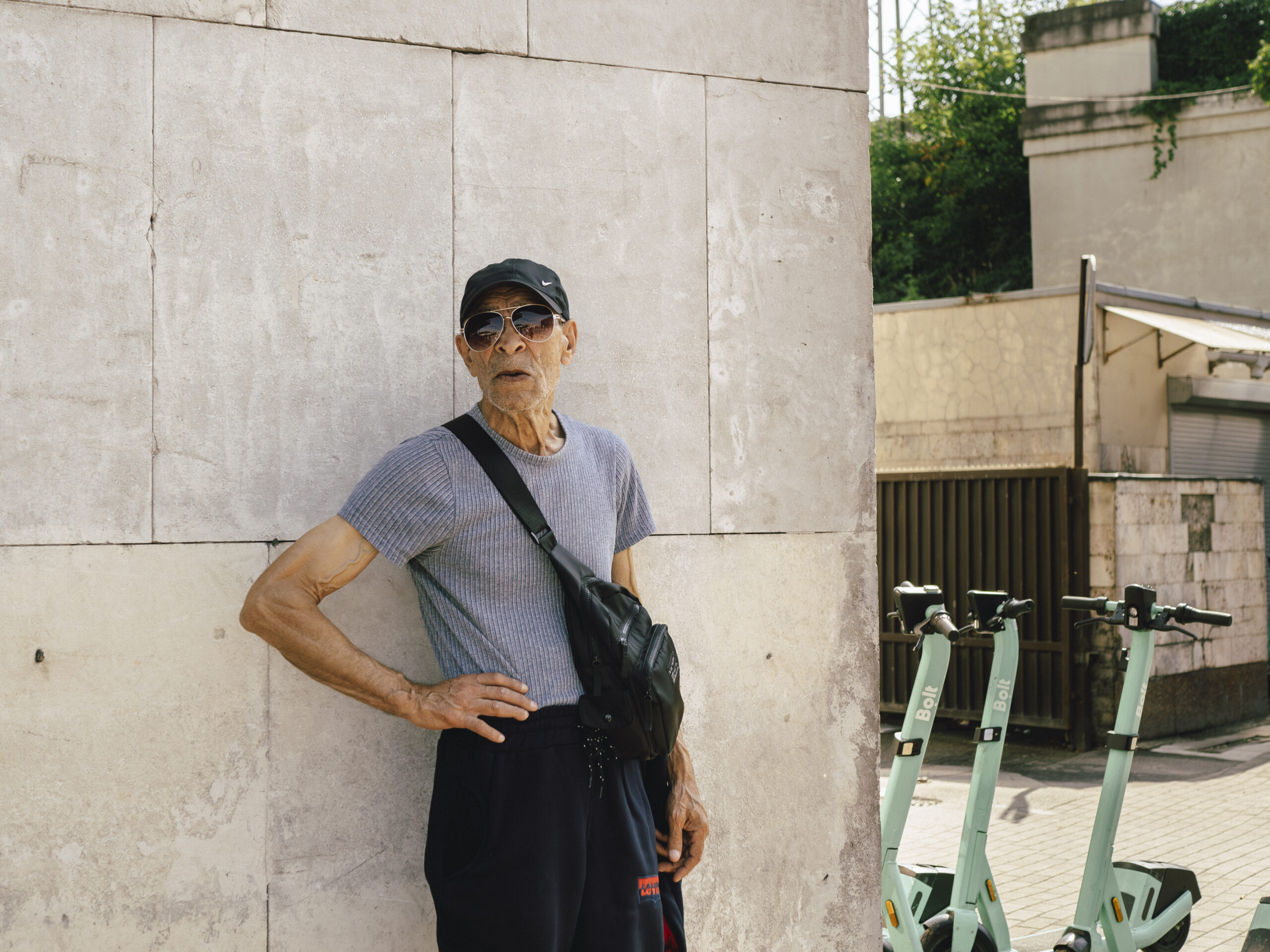
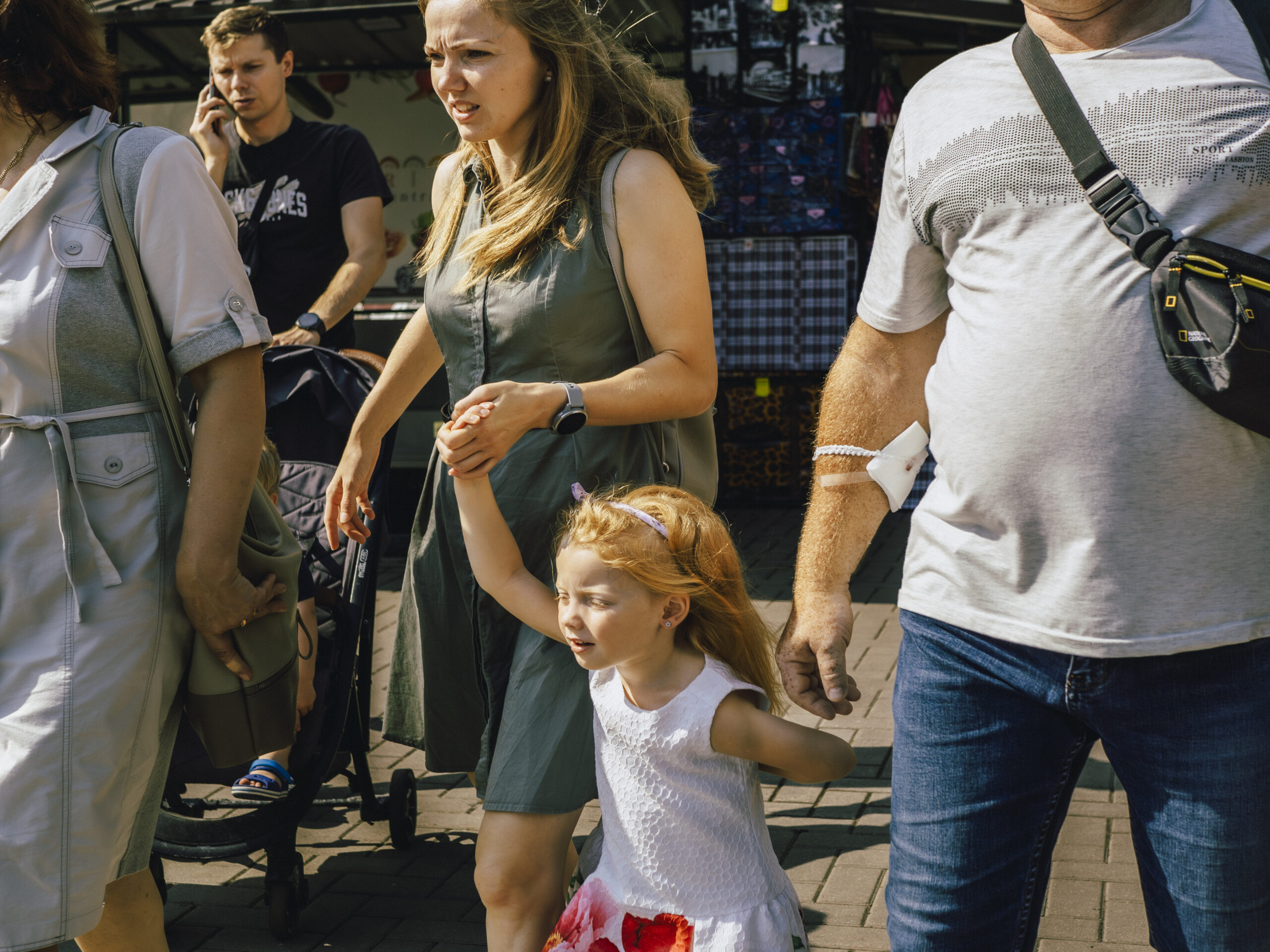
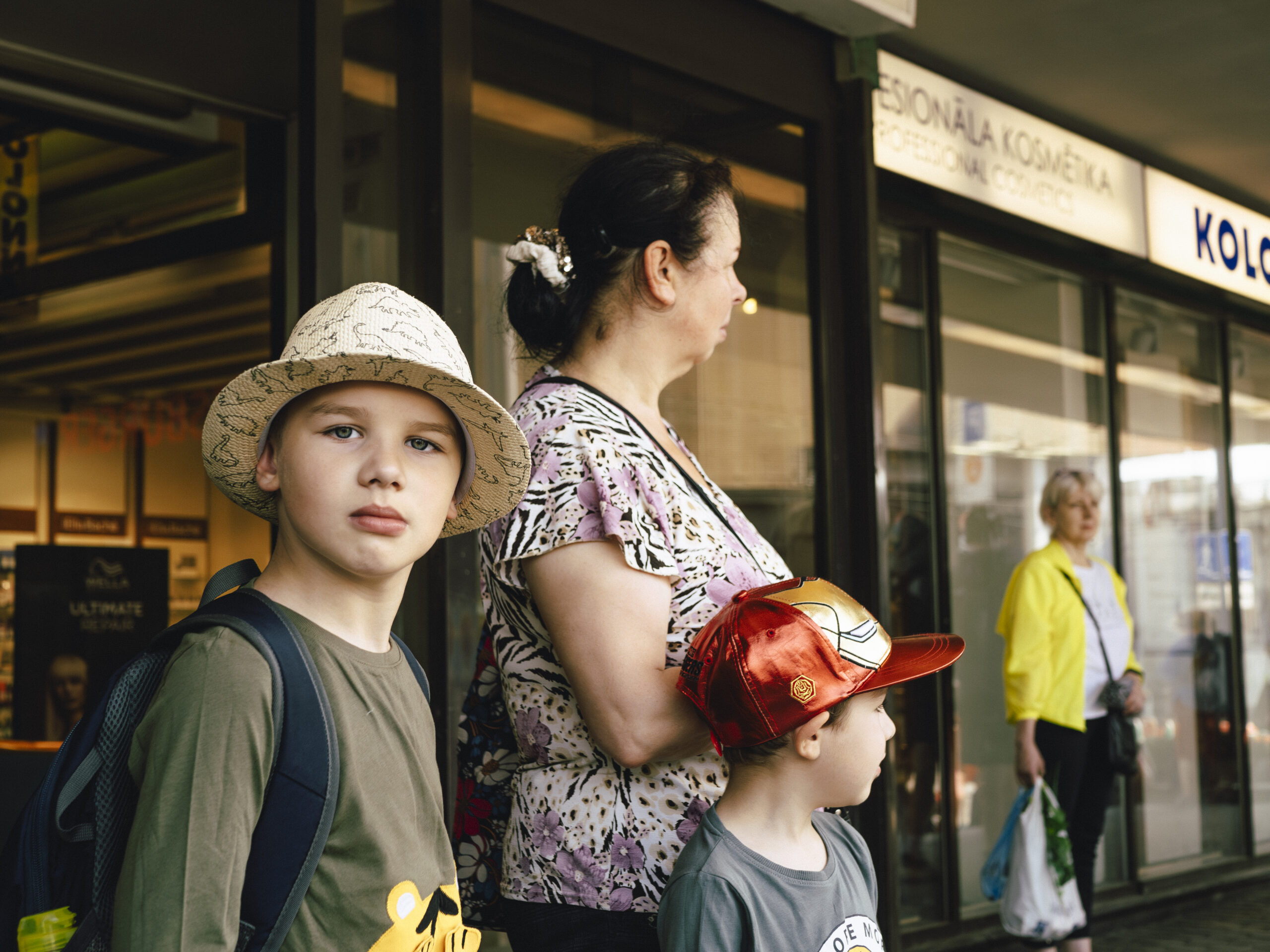
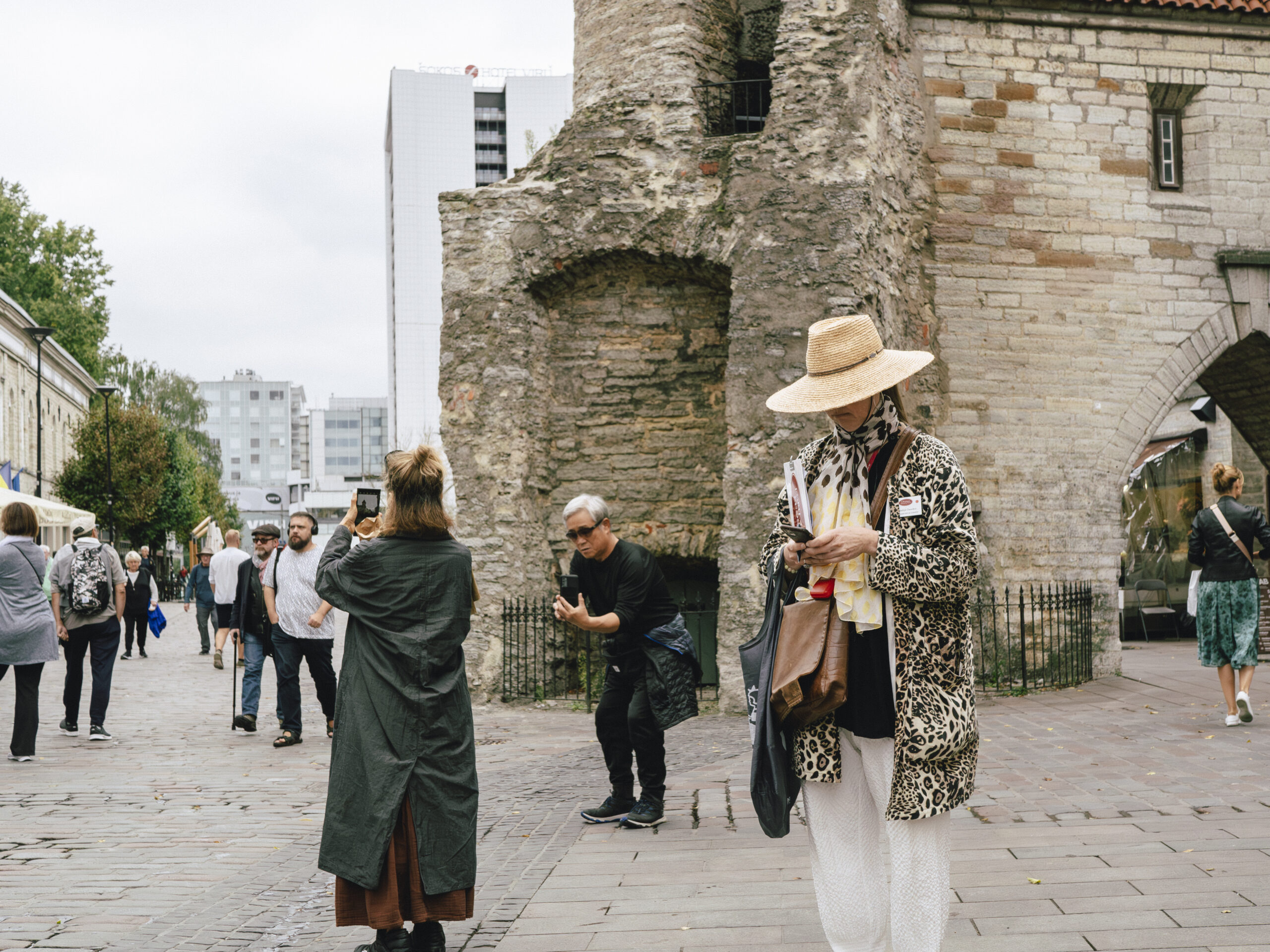
Airi Leon is the leader of the Estonian Street Photography NGO and the creator of the street photography group in Estonia. She also organises photography workshops, photowalks and promotes smartphone photography.
In this interview we get to know more about Airi and what she does. We also discussed about street photography and the format of photographs.
How and when did you discover street photography?
I remember well the moment, when I realized for myself that street photography spoke to me. It was as if I had found an answer to a long-sought question. I’ve always liked taking pictures of people so they wouldn’t notice me. I like to observe the life around me and ponder on it, and a camera gives me the opportunity to stop and capture these moments. When I examine the pictures later, I often discover details that I didn’t notice right away. Unconsciously, I had also hunted for such pictures on the streets, and on my Facebook page I can already find primitive street photography from 2009.
In 2016, I got to the point where I started looking for information about street photography, and I was completely drawn into this world. In the end, everything fell into its place for me, and I got a whole new purpose for my photography hobby. At that moment, the popularity of street photography was already growing in other parts of the world, but there were rather less photographers around.
In Estonia, I didn’t know anyone who took this topic very seriously, and for this reason I was forced to take the reins in my own hands to find like-minded people. Without thinking for long, I created a Facebook group called „Street Photography forum“ to find like-minded people, share photos, learn about it and get better on it.
What does street photography mean to you? Why are you taking photos on the street?
For me, street photography has a greater meaning than an image and a creative expression of oneself. My wish when taking photos is to preserve historical heritage for future generation, because I really enjoy looking at old photos. Pictures have a wonderful ability to recall moments from my life without me or my loved ones being in the pictures. The details typical of the era tell a similar story to the people who lived at that moment, and so even unfamiliar photos enlivens memories. Now that I have been capturing life on the streets for more than 10 years, I realize more and more that everything that seems ordinary and maybe even a little boring at the time of taking a picture, can acquire a completely different quality as time goes by.
Another important reason is that taking pictures on the street is definitely not at all comfortable and requires a certain amount of courage. The feeling of being able to overcome discomfort and capture moments that speak to people is definitely an important motivator.
Who or what has influenced you the most in photography? Do you have any role models?
As a child, I could look at family photos over and over again in albums and slides. I could never get enough of it. This is probably the reason why the old school photographers speak to me the most, and their work definitely influenced me a lot. The first guide on street photography was Henri Cartier-Bresson and other old masters of the same era. Cartier-Bresson has taught me the importance of photo composition and capturing the moment and how to make a photo out of it.
There are many inspiring creators in the world and over the years I have grasped creations of various photographers. I have certainly tried to imitate them and experimented on it, but I believe that today my photos have my own style, although certain influence from the role models are definitely present.
How did you end up doing photography courses? What is the main thing you teach future photographers?
I think that my love for photography led me to this and that I myself had to go a long way before I became a photographer. I wish to support those, who want to engage in photography and help them reach their dreams the shortest way.
The three years that I have been teaching photography, have given me so much important knowledge. This saying „if you want to learn something, you have to teach others“ is 100% correct. I really enjoy teaching and I have also improved so much technically and creatively during this time.
I am more of a mentor in my courses, because I try to share my enthusiasm and love for photography and show the students the excitement that I experience on this topic. Since my groups are small, I take into account the previous knowledge and experience of all the students and try to find their weak spots. I always give the students the opportunity to turn to me with concerns even after the course.
I consider the creative part of photography very important, and I believe that technical skills do not make a person a photographer, but creative skills do. That’s why my trainings always contain a significant part of knowledge necessary to develop the creative side.

How much do you get to photograph on the street?
If taking pictures with my phone doesn’t count, then a few times a month I try to go out to the city with my camera. Certainly I go more often when its warm rather than with a cold and dark weather. Otherwise, I snap a few photos in the urban environment every day.
Do you have a favourite photo spot?
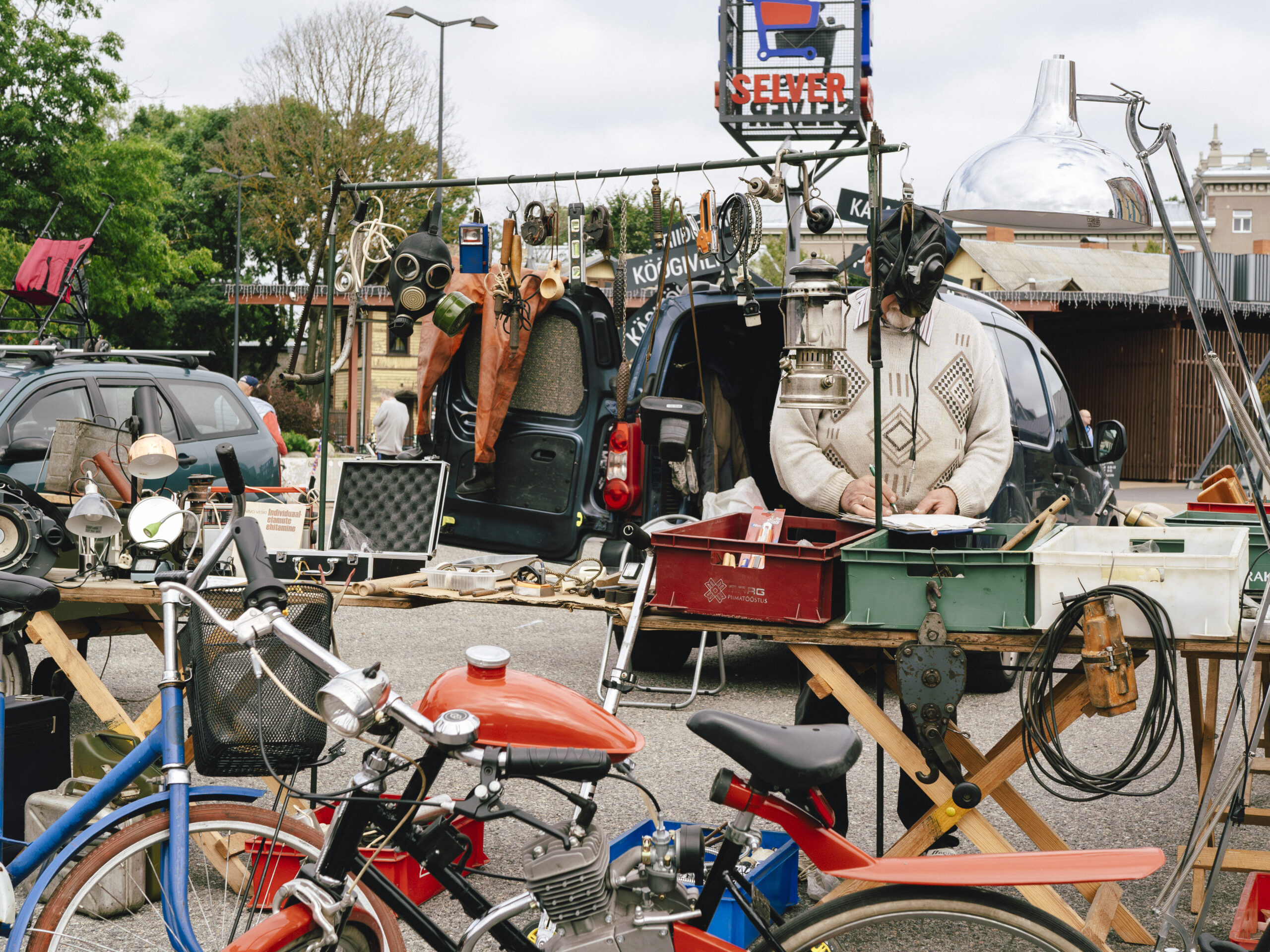
It must have somehow happened that Põhja-Tallinn and the places near Balti Jaam are the most photographed places for me.
When photographing You often focus on the person as an individual. How complicated is this process in Estonia anyway? How have people reacted to it?
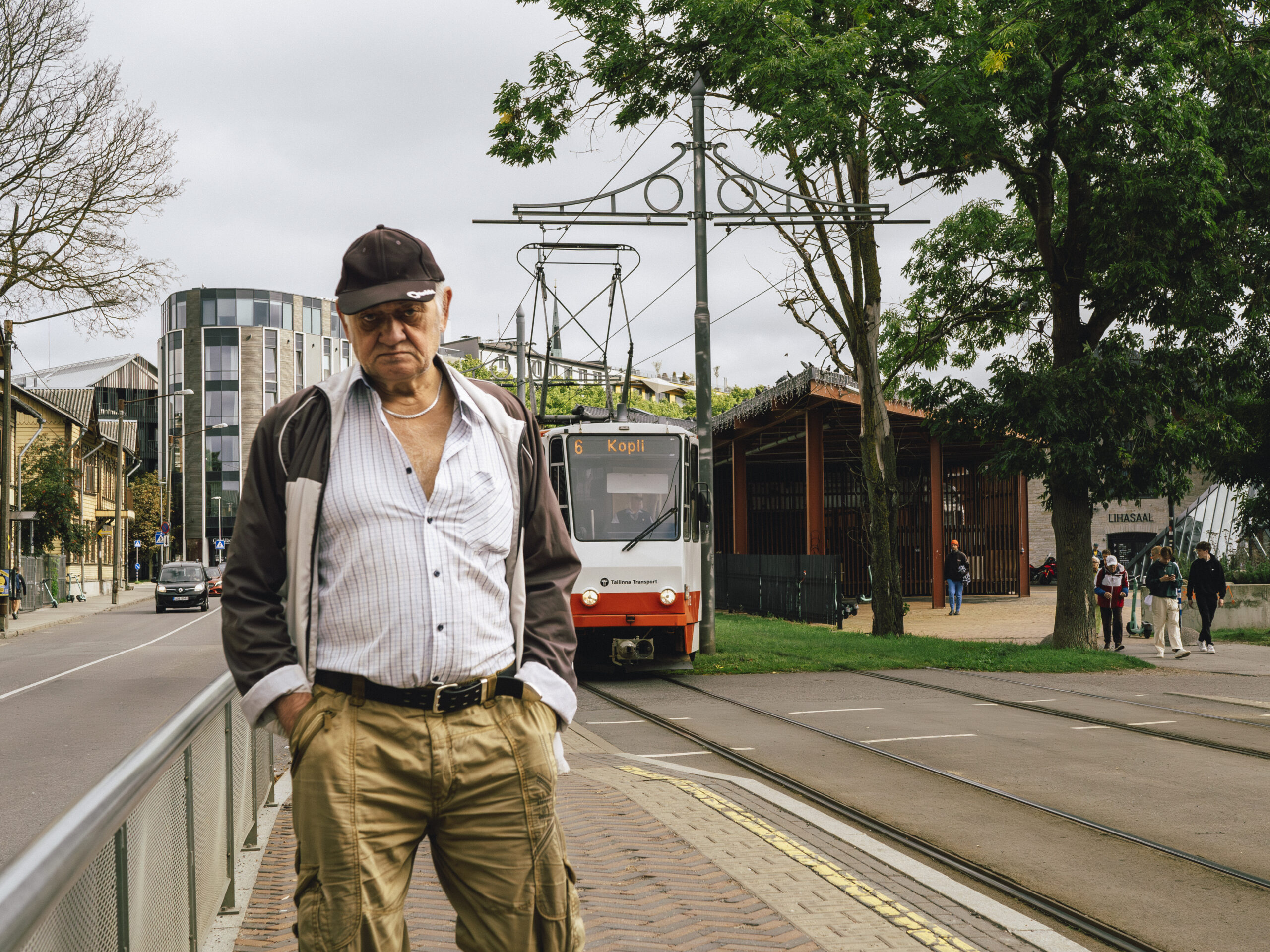
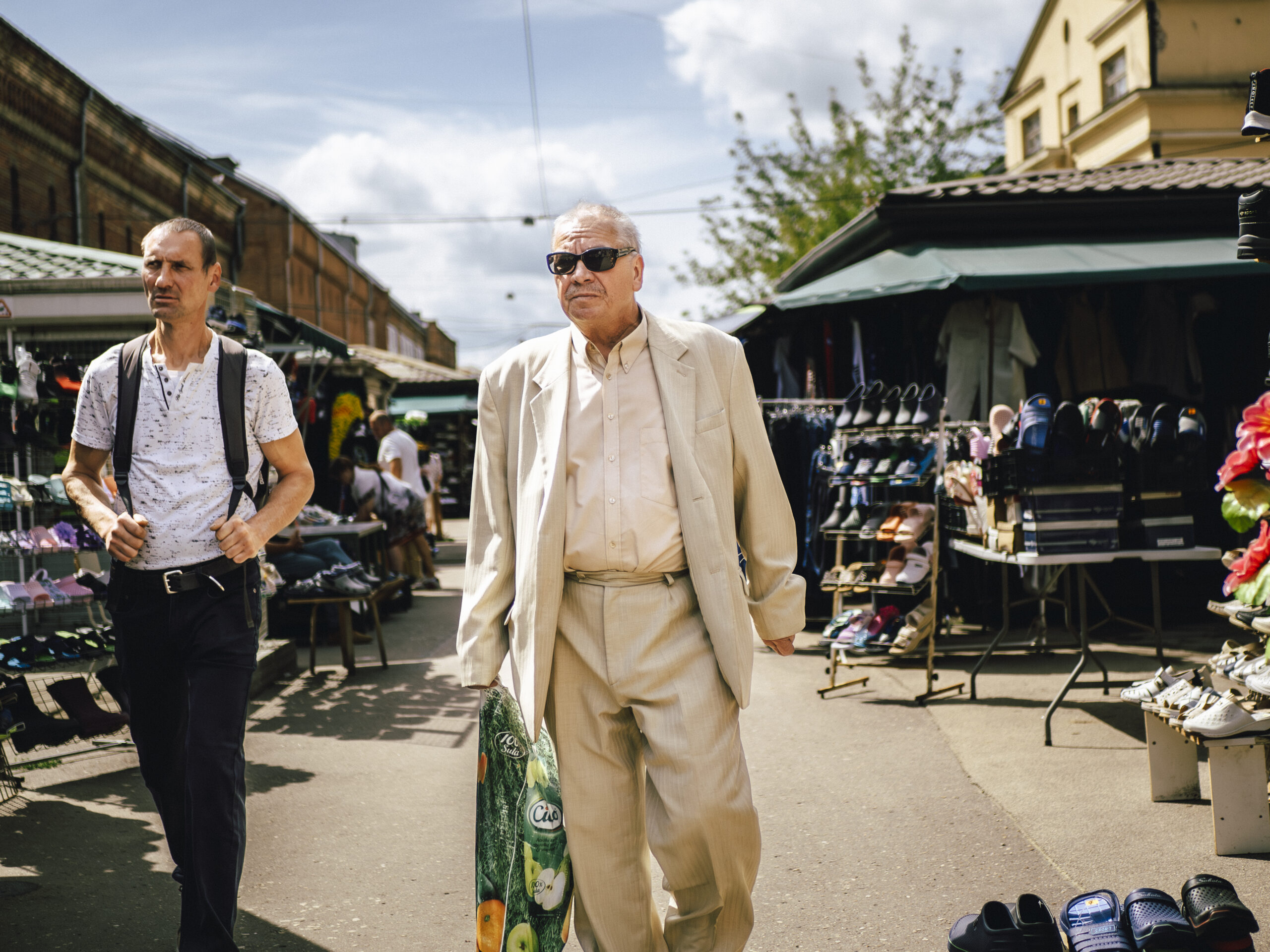
It’s definitely difficult, considering that I’m trying to take a picture from close up rather than from far away. I don’t think it’s okay to shoot blindly or use a telephoto lens in street photography.
For me, being constantly on the move makes photography easier. I walk the streets and if I notice something, I take a picture. I try to avoid eye contact with people because it creates a situation where the person gets confused. Some people think they have to react. Estonian people generally don’t say anything, but you can see a question in their eyes, usually a kind smile helps then. But if I move on and don’t make eye contact, that person forgets the moment and continues with what they are doing.
Most people ask why I don’t explain to people or ask permission to take pictures, the reason is simple – if I had to start communicating with every person I photograph, I would miss out on taking many pictures and the time spent on taking one photo (which maybe wasn´t even successful) is too high. Fortunately, the law is on my side here and does not oblige me to ask for permission when taking a street photo in a public space.
You also take a lot of photos while traveling. Can you perhaps describe to others what this process looks like for you?
It’s even easier to take photos on trips than at home, I guess it has something to do with the role you’re in at that moment. It is typical for tourists to take pictures and it is mostly accepted everywhere. The problem starts to arise when traveling during the off-season and in areas where tourists do not visit very much (e.g. districts where tourist don´t go). Taking photos in such places is rather uncomfortable.
You must be aware of that whether the laws of that country allow taking pictures of people in public spaces without their permission or not. For example, German law does not allow taking a picture without a person’s consent, but in touristic areas no one will mind it, but outside of it they will. In Italy, people are very kind and mostly don’t care if you take their picture, but taking photos of children is taboo there. As a guest, it is polite to respect the rules of others.
What should you pay attention to when doing street photography when traveling? How should one approach?
Before traveling to a country, be sure to find out how they approach photography there, this will help avoid unpleasant conflicts. A smile is usually always a good way to relieve tension, and asking for permission is a good way to get the most out of your trip by interacting with the locals. If you feel uncomfortable, help yourself get into the flow by taking photos in touristic areas.
Is your picture more in colour or black and white?
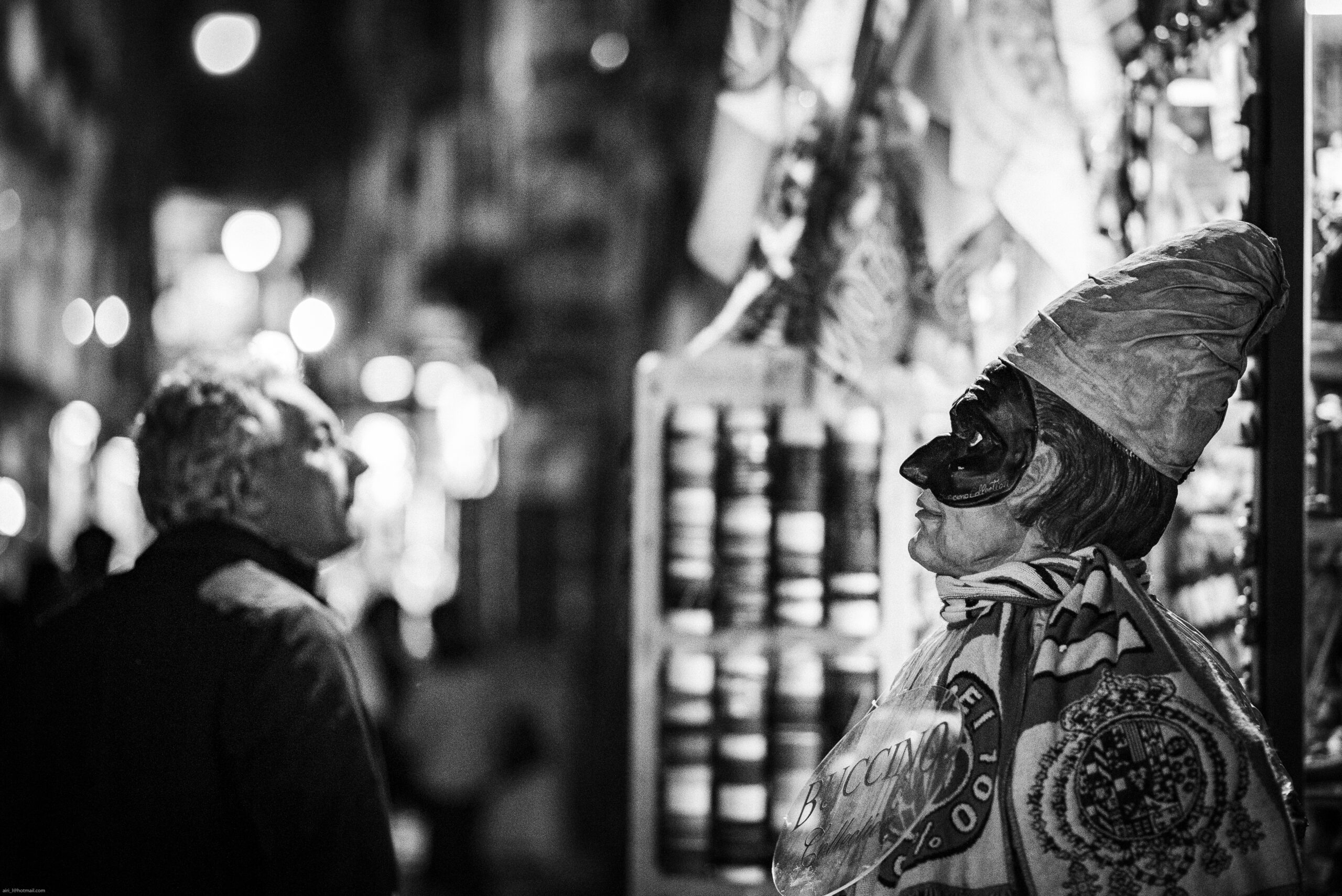
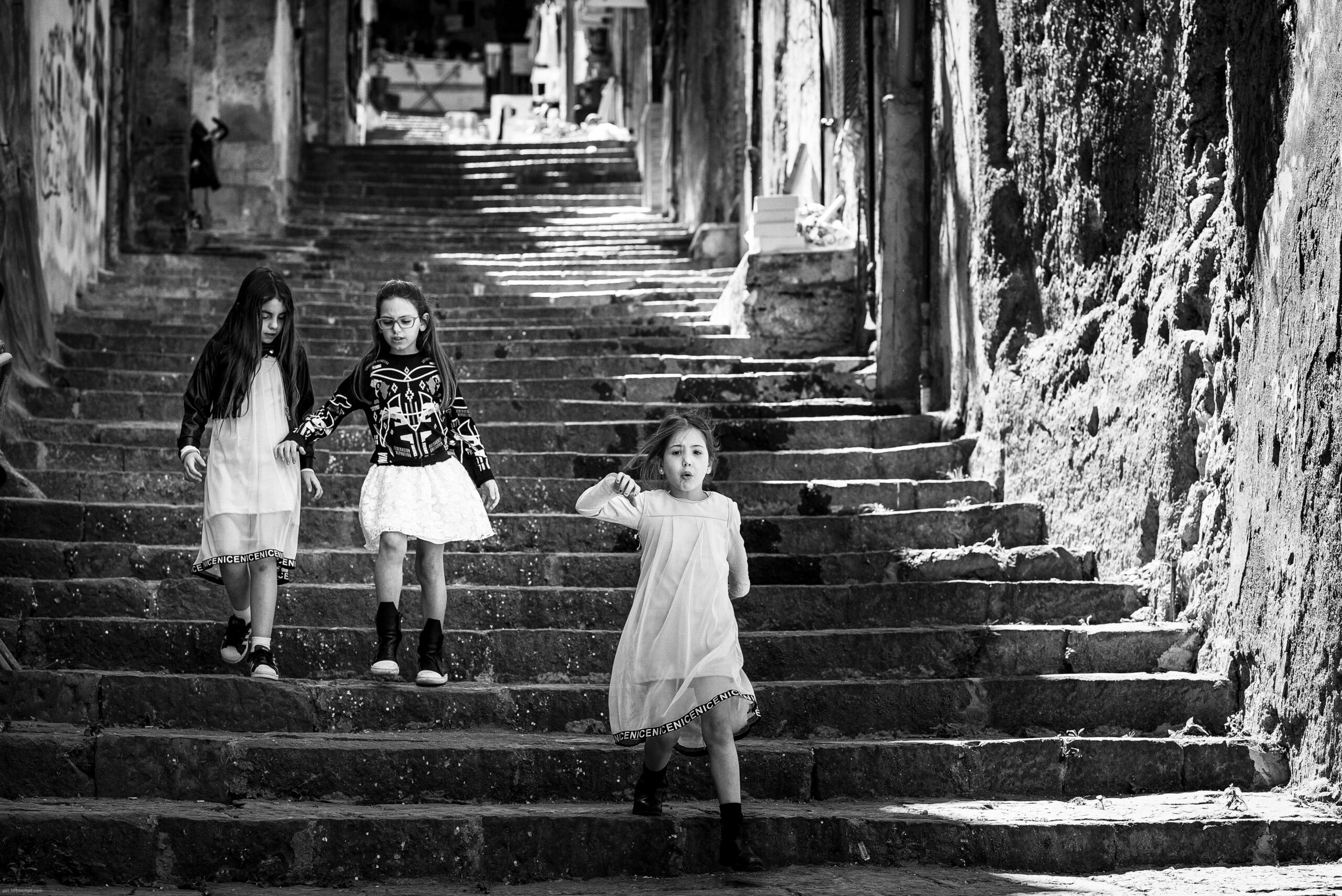
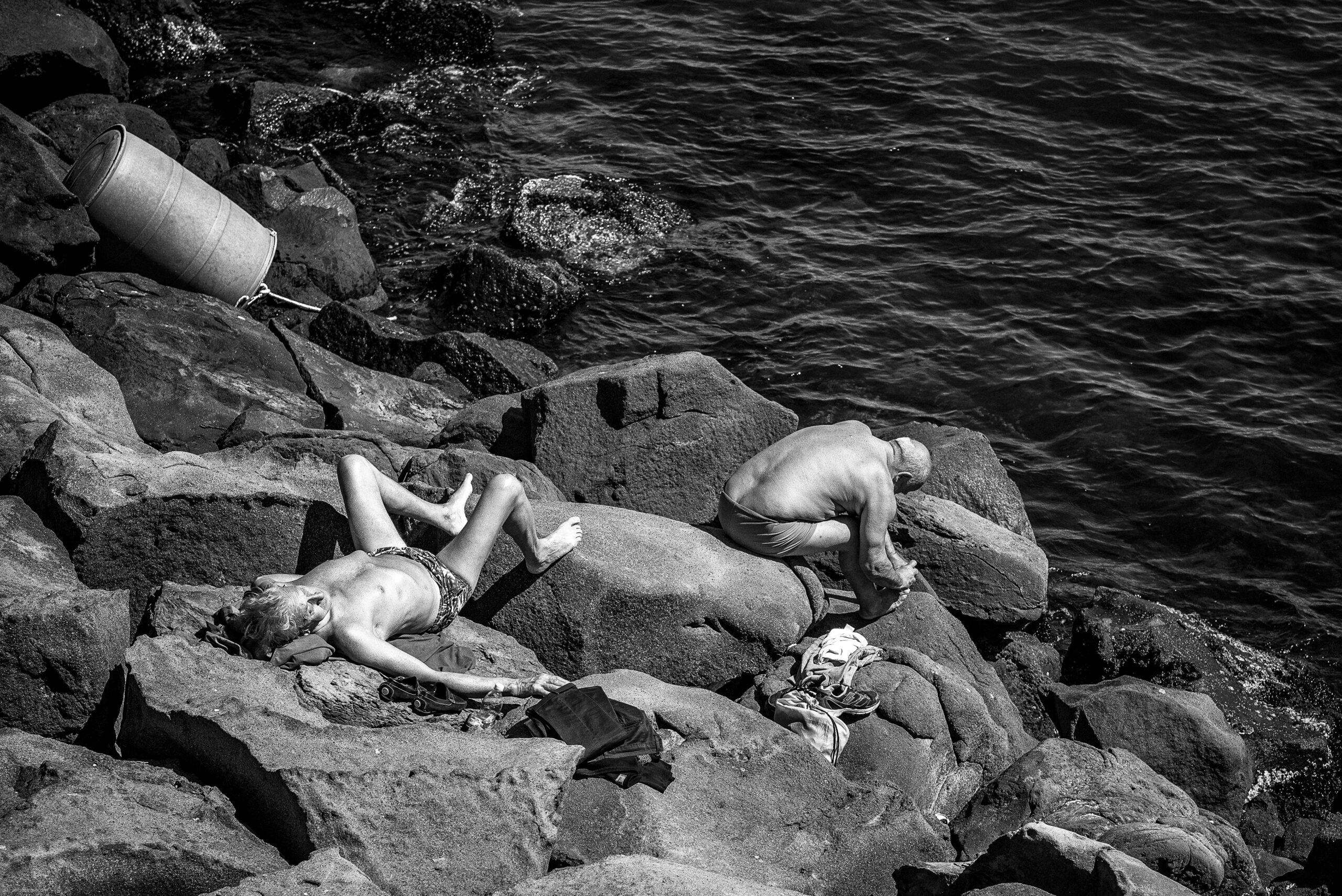
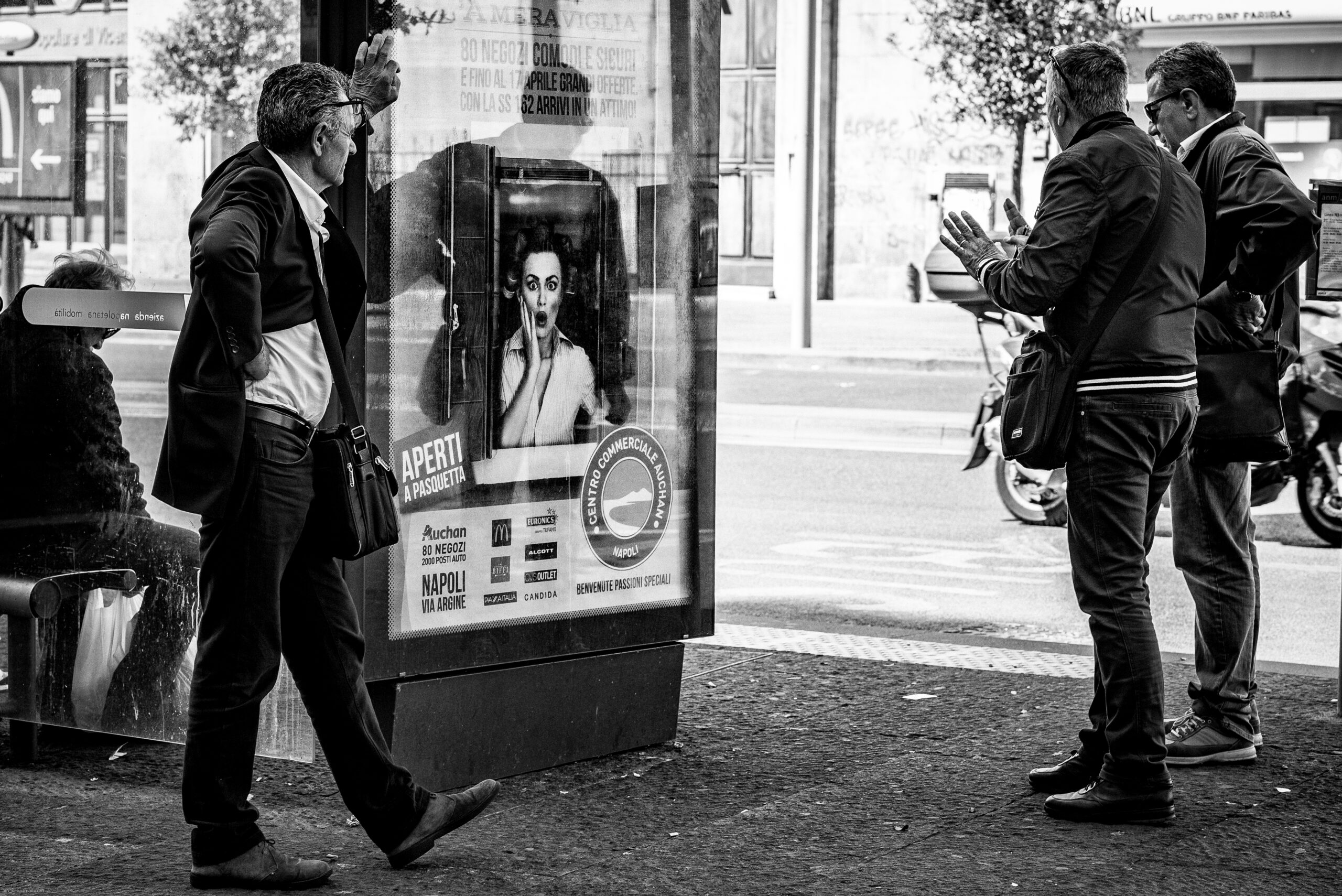
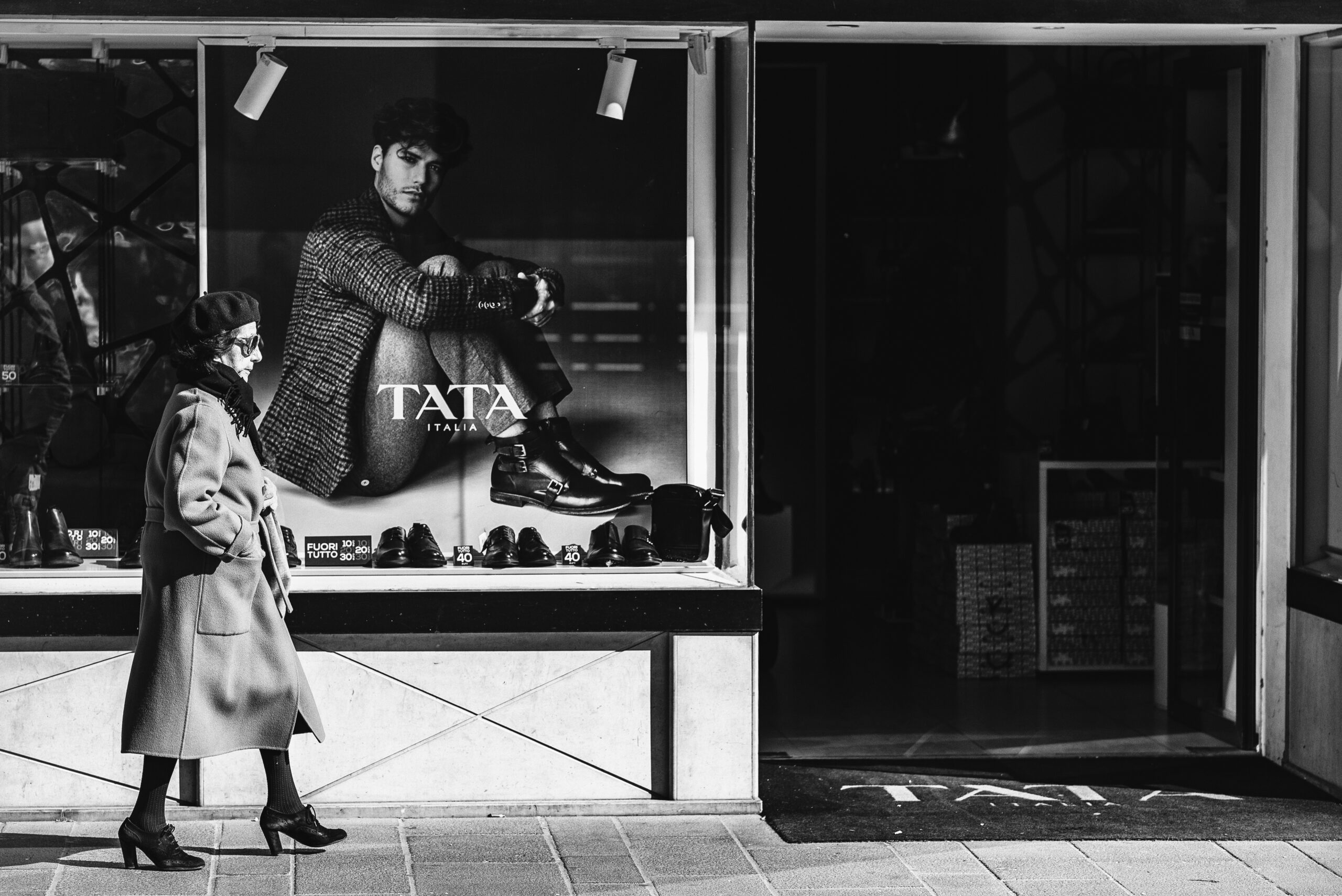
When I started street photography, my pictures were mostly black and white. Partially it was definitely influenced by the street photography of the older generation, which was role model for me at that time. In addition, I felt the composition and content of the image better in the black and white image. Colours can be distracting and as a beginner it confused me.
At one point, I felt that I had to give up many important details in black and white pictures and gradually I learned to use colour as a part of creating a picture. Today, my photos are mostly in colour.


How much do you invest in post-production?
Over time I´ve started to develop my own way of editing presets and the photo editing doesn´t take that much of time. Much more complicated part is choosing photos and improving the compositional nuances.
What equipment do you use for taking photos? Do you think it plays an important role in the final result?
Most of the time I like to shoot with my Nikon d750 and 85mm f1.8 lens as this combo gives a super good quality result, so it’s difficult to switch to a smaller camera.
Lately I have let go of the thought, that it has to be technically perfect. I’ve been also using the Lumix little hybrid camera and shooting through the rear screen with it. It was unusual for me for a long time, but today I completely enjoy the convenience of not having to look at a person through the view finder. In the end, it’s the content of the image that matters, not the number of pixels.
How about taking pictures with your phone? What are the best tricks for taking street photos with phone?
The phone is great for taking pictures and filming on the streets. People usually don’t pay attention when someone raises their phone to take a picture. Phone cameras have also become so good that it is completely normal to take street photos with them. I think it would definitely be easier for a beginner to start taking photos with the phone. Newer phones allow to use optical zoom and this is helpful for shooting a little further away without distortion. It doesn’t really matter what you shoot with, a camera is a camera, the success of the image still depends on the creativity of the photographer and his own camera handling skills.
Do you feel that the image format is slowly dying out in social media? Do photographers have to start finding other ways to promote their work?
I believe that the overabundance of images has led to fatigue on the part of the viewers. I myself can no longer look at endless amounts of pictures and delve into them in more detail. At the same time, good pictures still catch the eye. With the growing popularity of street photography, there have been a huge number of street photography images, unfortunately there are also many that repeat what someone else has done and it becomes tiring for the viewer.
In addition, the growing popularity of short videos has brought with it a decrease in the importance of the image, but I believe that good and distinctive photographers still catch the eye of a viewer. It could be a tip, that You can try to share your photos as a video, because moving things grabs attention better.
Do you have any good tips to share with beginners?
Some suggestions or observations are as follows:
- Learn the different rules of photo composition. The best way to do this is to take
1–2 rules and to go out and use them in your pictures. For starters, choose e.g. frames and patterns. A good, clear rule helps to set focus and get rid of a cramp You may have. Most of the time, the streets are full of all kinds of distractions, so it’s good to find something to focus on to get your photography going. - Learn the basics of photography – aperture, ISO, exposure – what they do to the image and how to use them when the automatic settings does not cooperate with you.
- Develop your vision, learn to notice details and light and use them to tell the story of the picture. To perceive light, you can train your eyes with sunglasses. It helps to better perceive where and how the light travels.
- When you go to the street, don’t go and look for a specific moment to capture, but start taking pictures right away, the faster you will get into the flow, so to speak, the more it helps you to reach the result.
- Communicate with other photographers and take pictures together, it helps to get rid of pointless fears.
Could you please describe how did you make one of your photos?
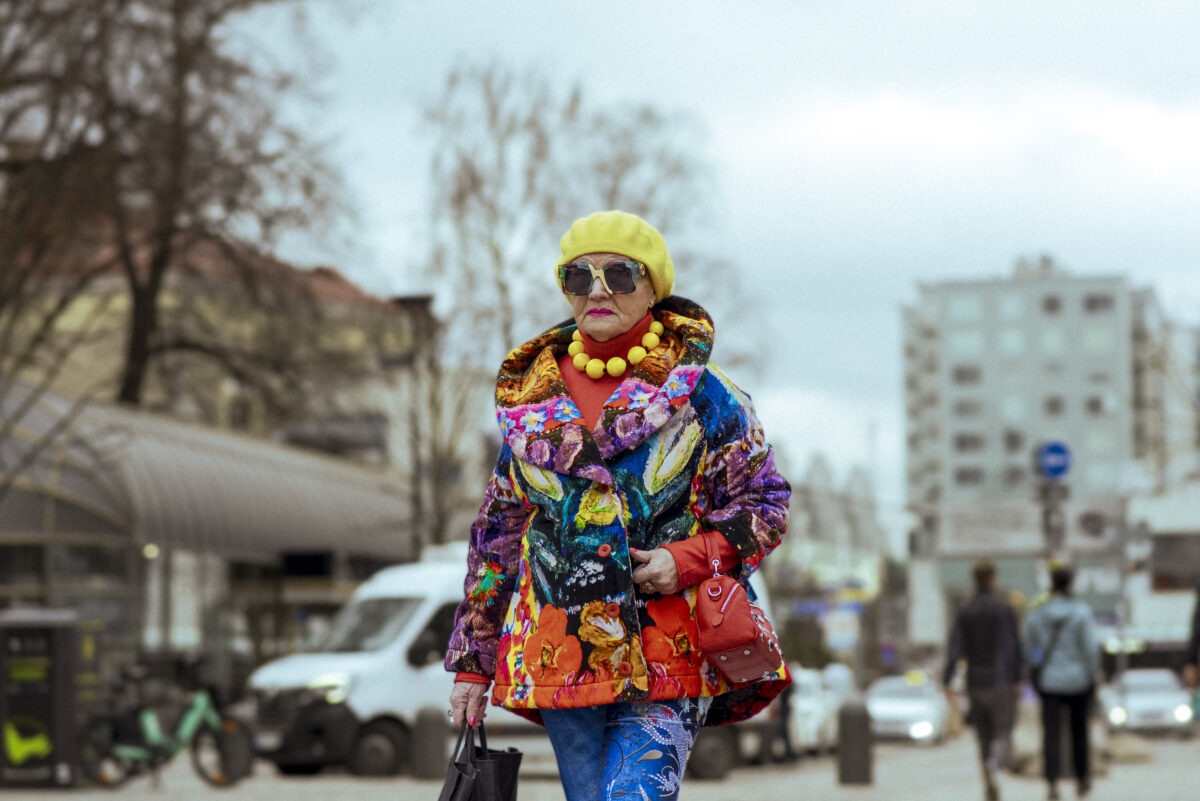
It´s a story about how a true street photographer never walks the street without a camera, because you never know what might come your way.
We gathered for a photo walk behind the Balti jaama market to walk around the city together, talk and take pictures. For me, events like this are more about socializing than taking pictures.
For street photography, I prefer to wander alone, because then it’s easier to focus and get into the flow. This kind of multitasking – being social and taking pictures is difficult for me.
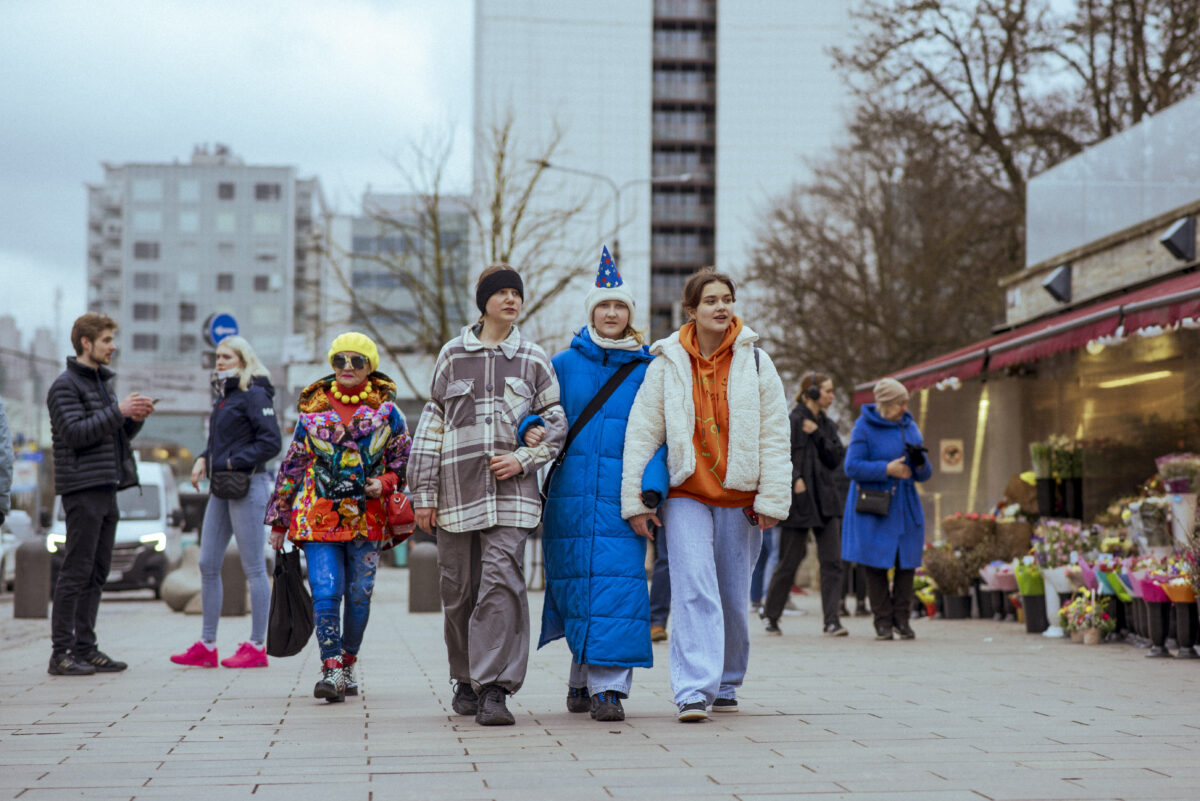
Anyway, we had walked around the city and reached Viru Street in the old town. Not much exciting happened on the way and the weather conditions didn´t offer special light plays either. We decided that was enough for today and everyone went their separate ways. I stuffed my camera in my bag and headed towards the bus stop along Viru Street. In the distance I noticed a colourful group approaching and the only thought in my head was where the hell was my camera. I crouched down to pull my camera out of my backpack. When I got it, I looked up and managed to press the shutter twice. As the group got closer, I only realized that one of the colourful characters was completely on her own, not a member of the group. Without thinking, I pointed the camera at her and the result was a nice colourful street portrait.
You can explore more of her work on her home page or Instagram @airileon.