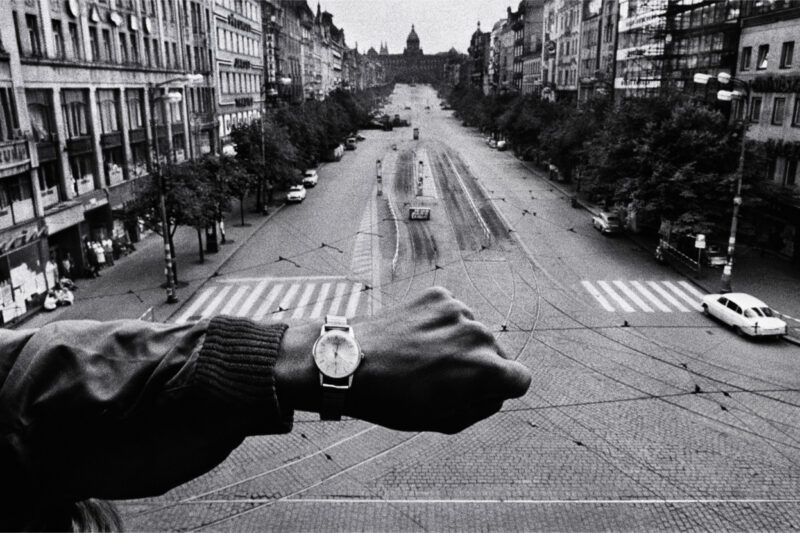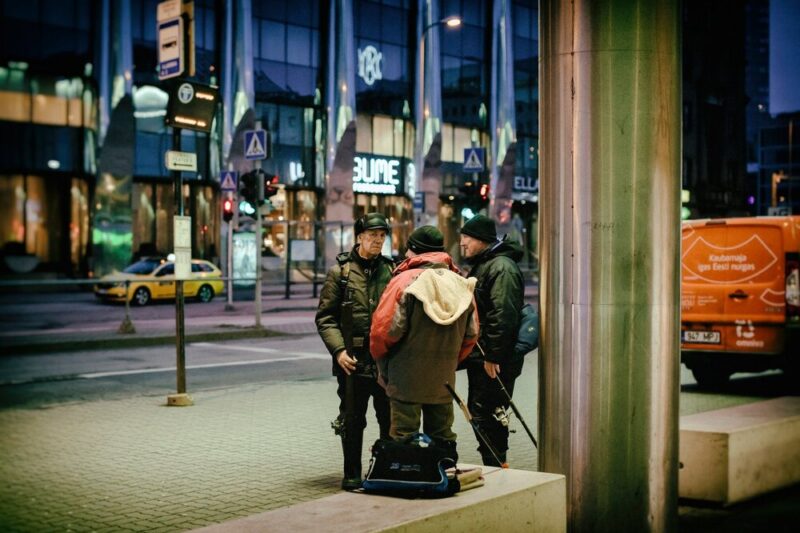

A heated and passionate discussion about beach photography erupted in the Estonian Street Photography Facebook group. The debate became so intense that the water temperature at local beaches rose by a degree or two. What is beach photography? And how should we understand it? It seems that right now—when beach season is not far away—it’s worth reflecting on the concept of beach photography.
Street photography, in a broader sense, is understood as a type of photography practiced in public space; beach photography, in turn, is one of its subgenres. Since street photography can be practiced outside the street as well, the word “street” can be misleading—the goal is rather to capture unique, humorous, or artistic moments of everyday life. By placing the emphasis instead on the words “public,” “art,” and “unique,” we can be sure we’re on the right track.
Henri Cartier-Bresson is considered the father of street photography. He practiced candid photography—photography without staged scenes or planned viewpoints. A defining line in Cartier-Bresson’s work was the “decisive moment,” in other words the moment when all compositional elements fall perfectly into place. The photographer’s task was to recognize and capture that moment.
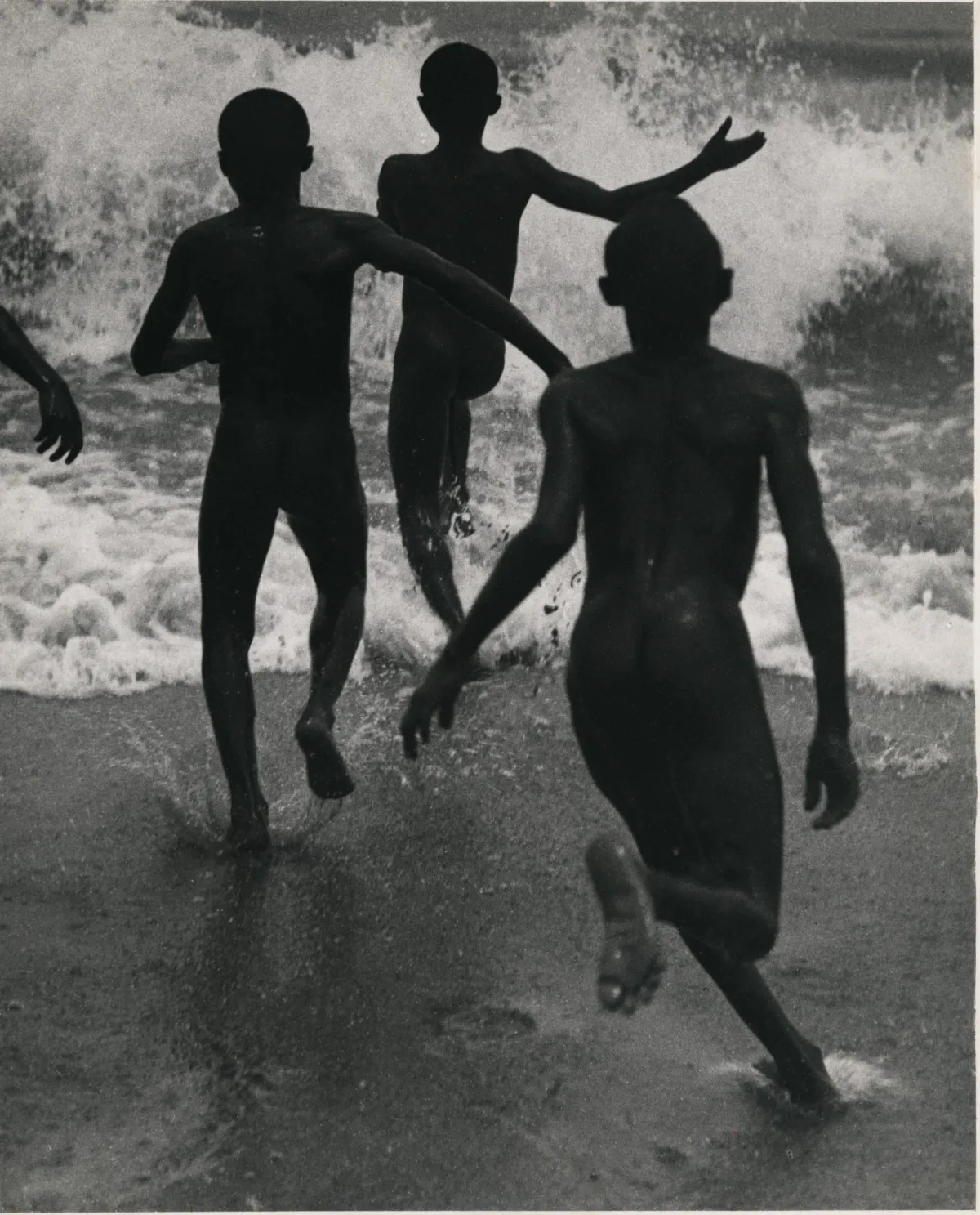
History records one photograph that can be considered significant in Henri Cartier-Bresson’s life and work. The master himself said the following: “For me, that photograph was the spark that ignited my enthusiasm. Suddenly I realized that by capturing a moment, photography could achieve eternity. It is the only photograph that has influenced me. There is such intensity in it, such joy of life, such wonder, that it still captivates me today.”
The photograph in question is Martin Munkácsi’s “Three Boys at Lake Tanganyika.” This is beach photography.
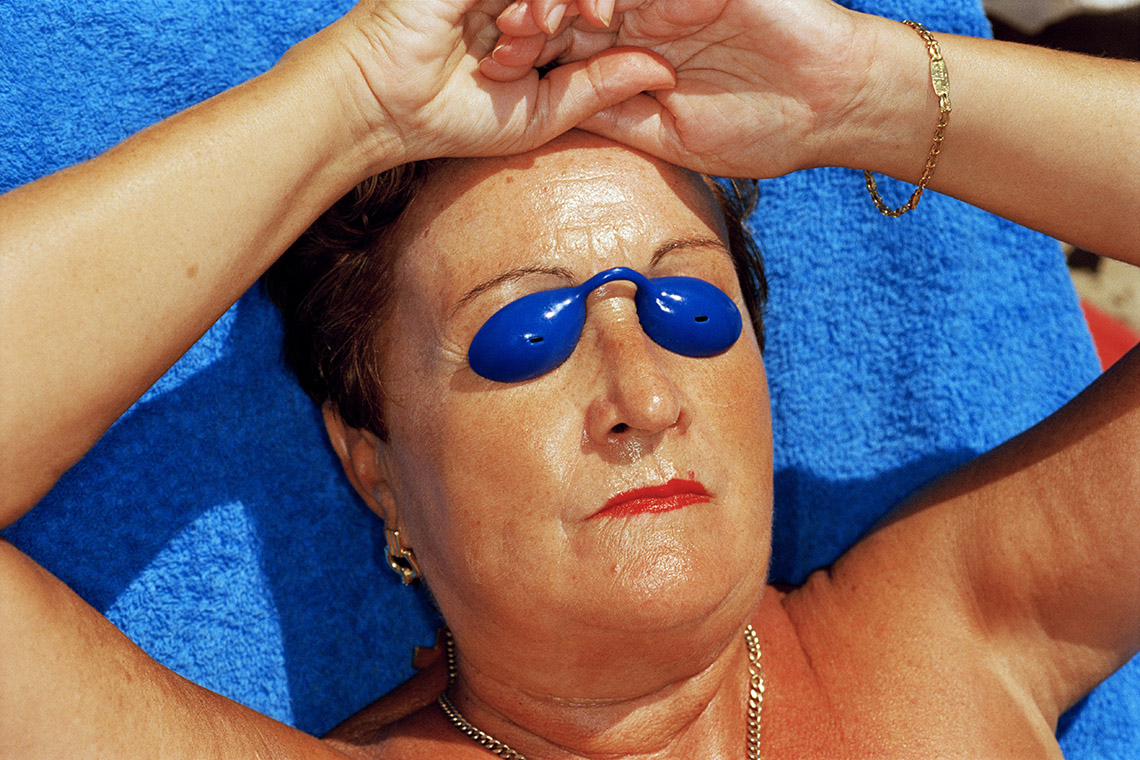
Today, one of the best-known beach photographers is certainly Martin Parr—a man who has photographed beach culture around the world for more than forty years. From the world-famous shorelines of Cannes and Copacabana to the lesser-known Sanya and Skegness. As it happens, Parr is also familiar with Lithuanian beaches.
What can a photographer find at the beach? What makes you pick up a camera?
Martin Parr has said: “The beach is a bit like life and in front of it we are all the same: when our toes sink into the sand, when we surrender to simple pleasures and long for the moment when, diving into the water, we are the same everywhere in the world—universal and ritualistic in our actions, colorful and saturated. You can also learn a lot about countries by visiting their beaches. Across cultures, the beach is that rare public space where you can encounter all the absurd and peculiar national behaviors.”
Photographer Martin Parr’s work is characterized by an extravagant point of view, bold focus, vivid colors, unusual body positions, muscular or overweight people, and a sense of grotesque—yet authenticity at the same time.
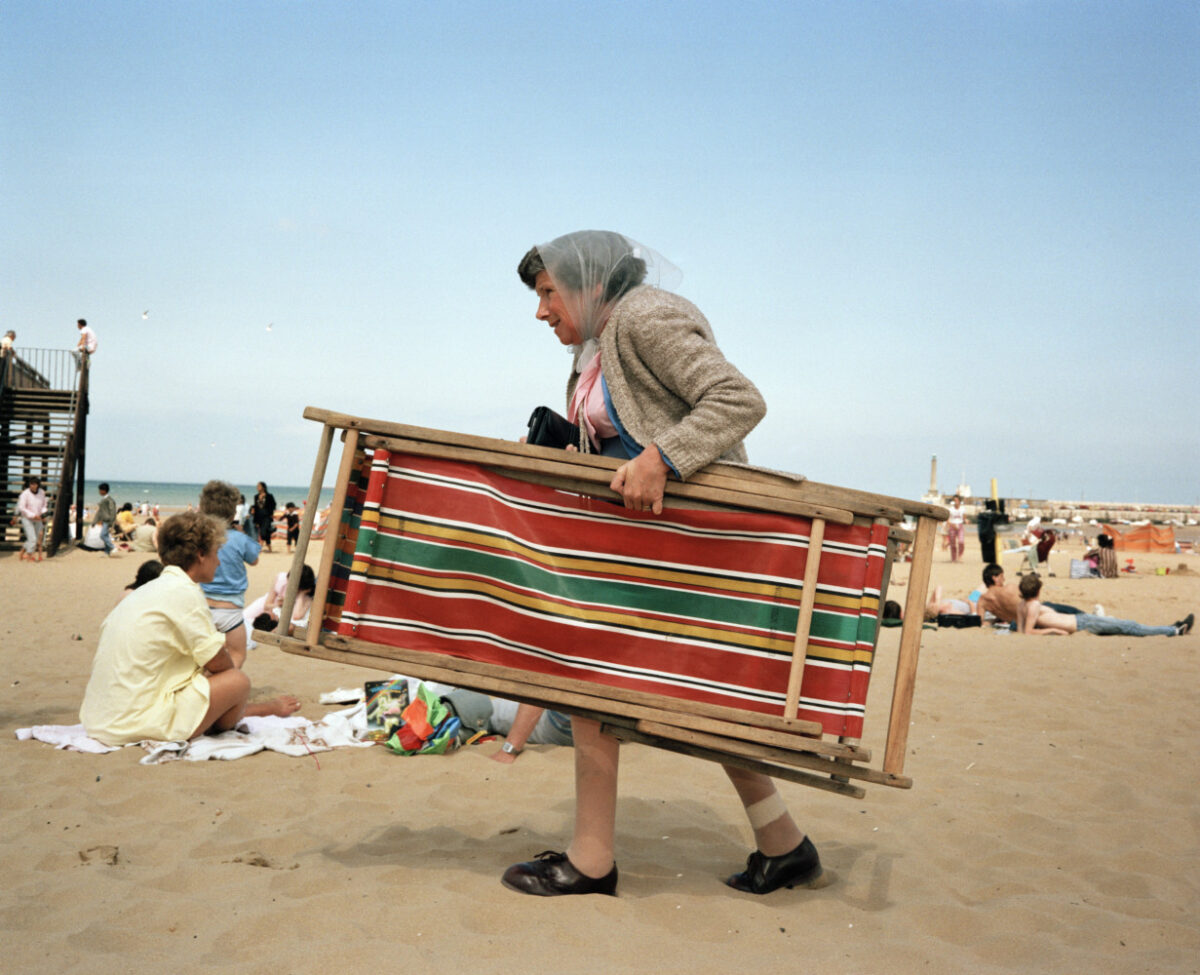
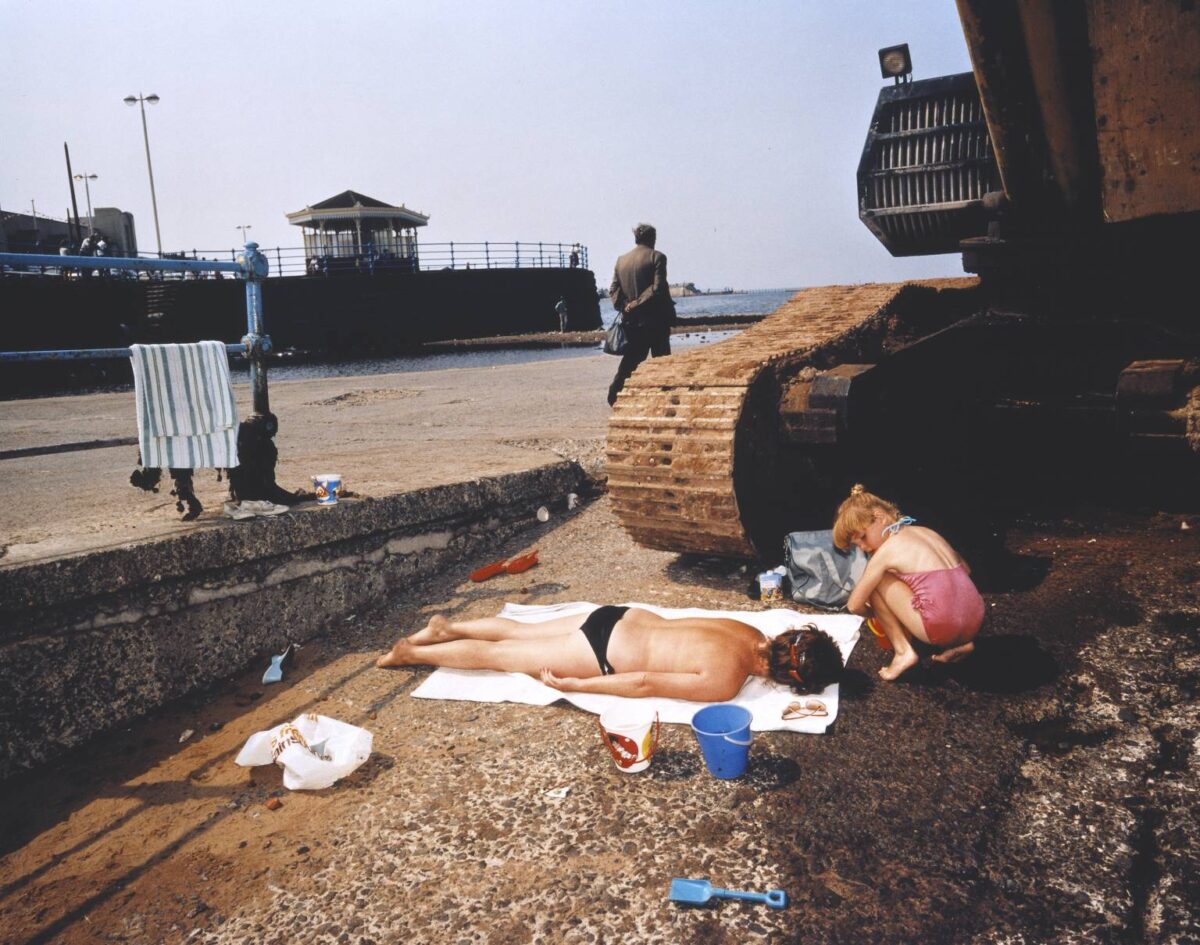
Of course, there are many other photographers in the world who practice beach photography. You can be almost certain that anyone who owns a camera has taken at least one frame on the beach sand. After the moment the shutter clicks, they usually don’t think about it much more.
We should not forget that beach photographs also have great importance in cultural history.
Every country has its own unique beach culture that deserves to be documented in order to pass on our cultural heritage to future generations. Similar to street photography—an important part of humanity’s history—beach photography helps us remember and understand how people lived before us. The aim is not to shame anyone, but to convey life as it is.
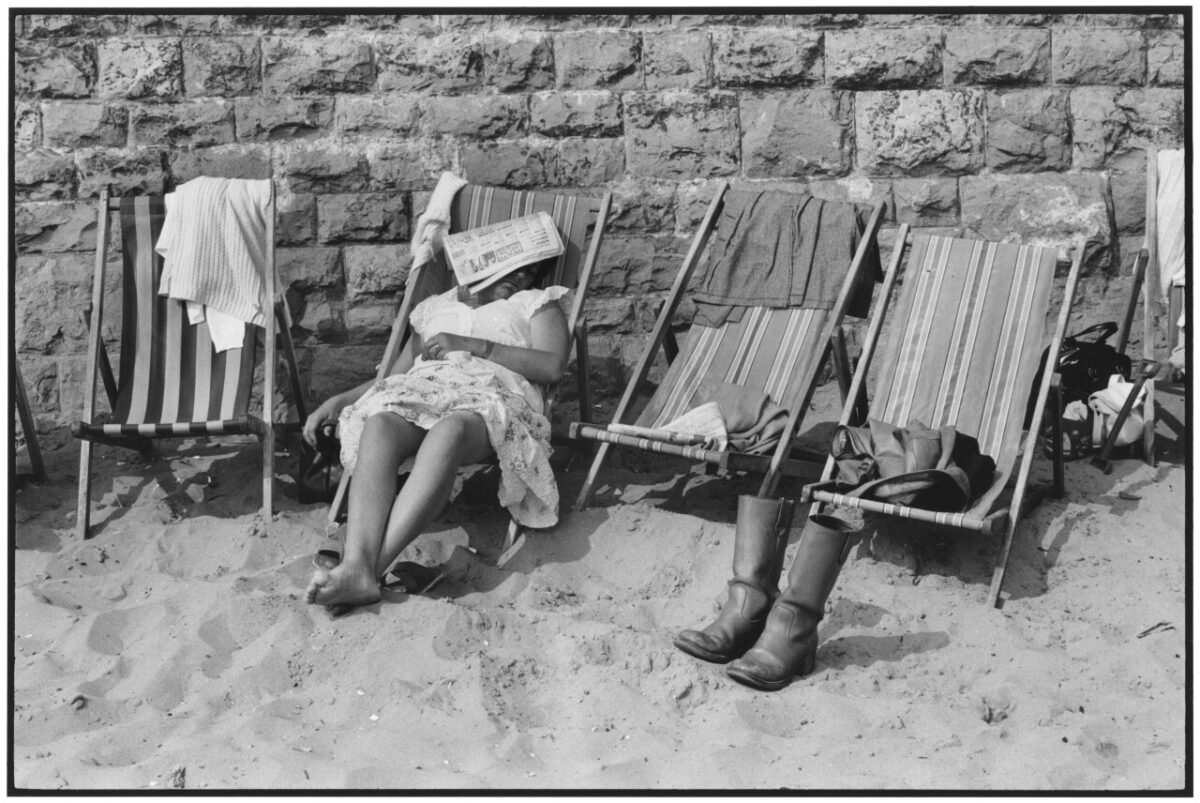
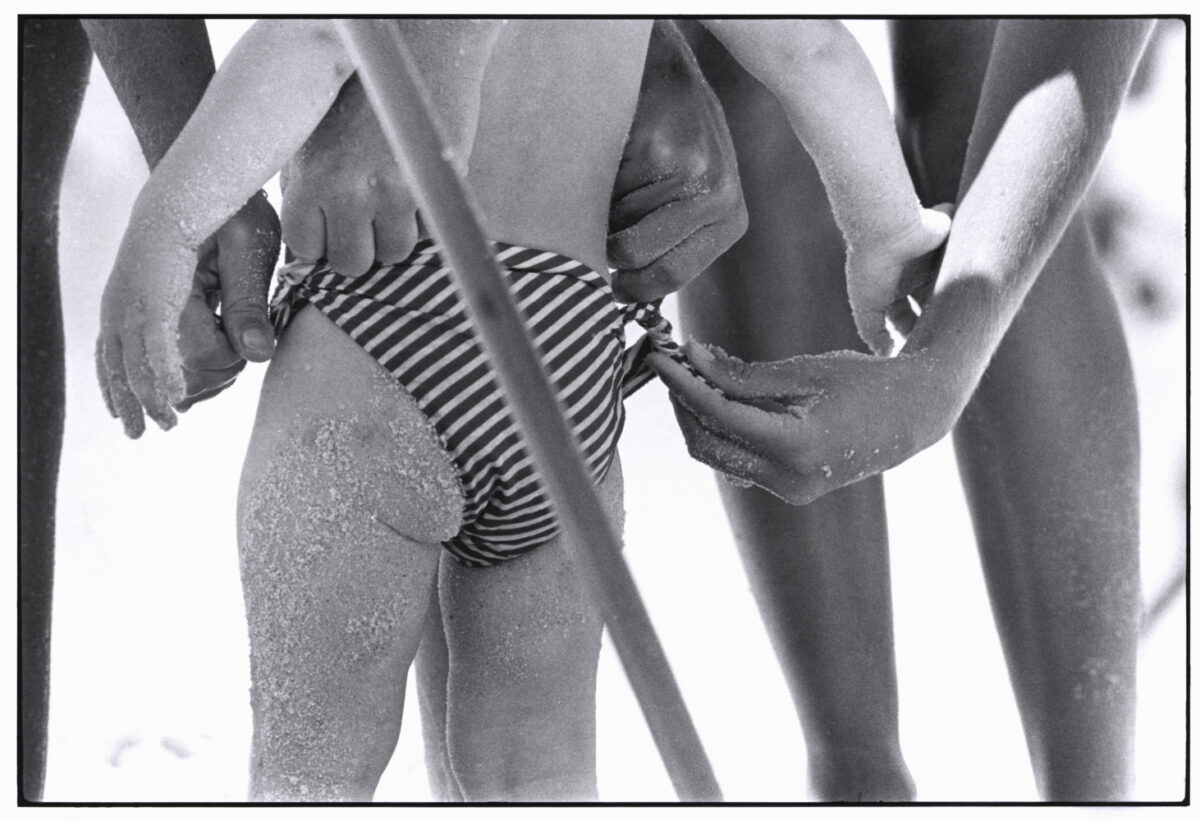
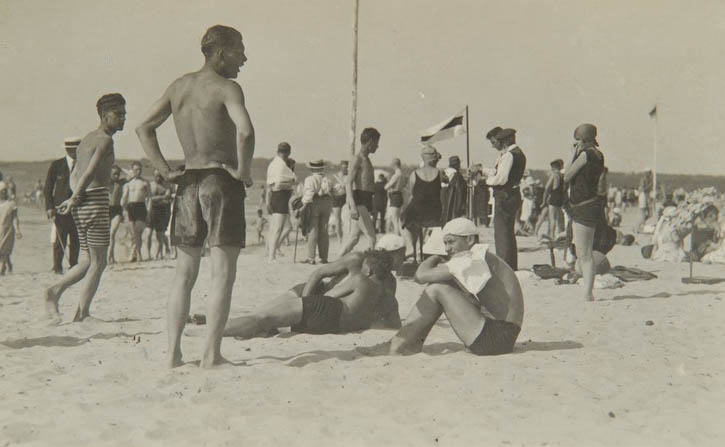
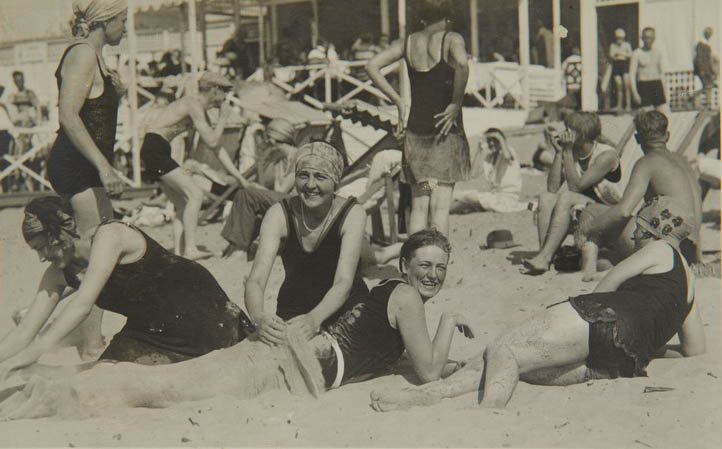
A good example from Estonia is the sports figure and photographer Karl Hugo Akel (27 October 1878, Kavastu parish, Tartu County[1] – 25 December 1942, Tallinn), whose photographs revive for us the atmosphere that prevailed at Pirita beach in the 1920s.
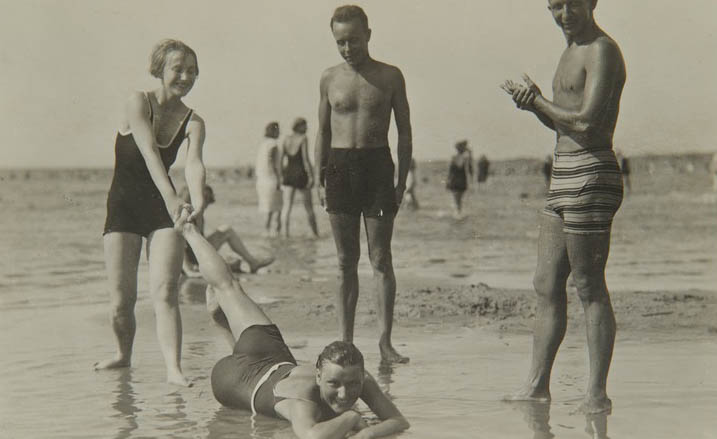
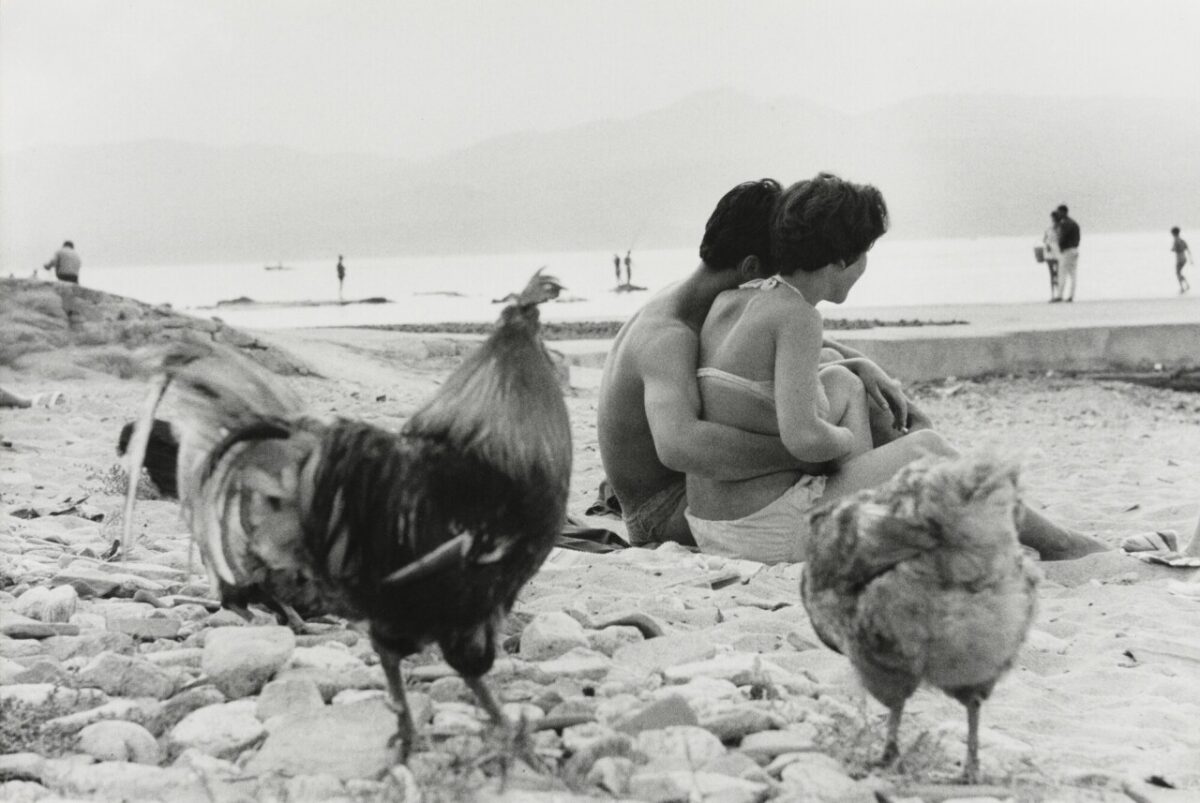
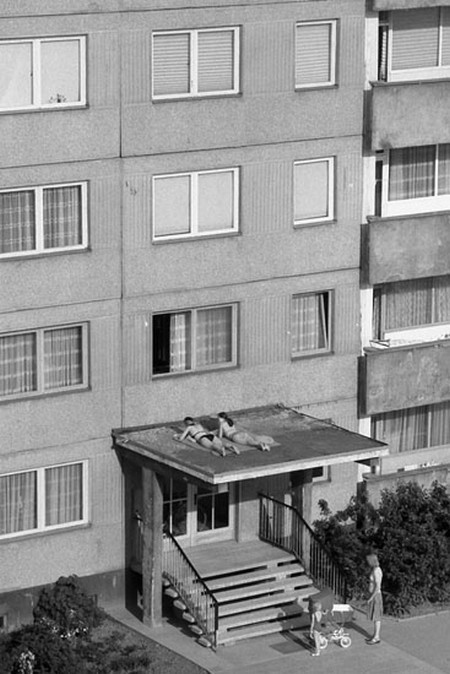
And also an interesting curiosity from our Lithuanian neighbors.
Alexandras Macijauskas is a Lithuanian photographer whose work was valued at £2,000–3,000 at a summer Sotheby’s auction in 2014. So, for those who earn their bread with photography, there is good reason to go to the beach.
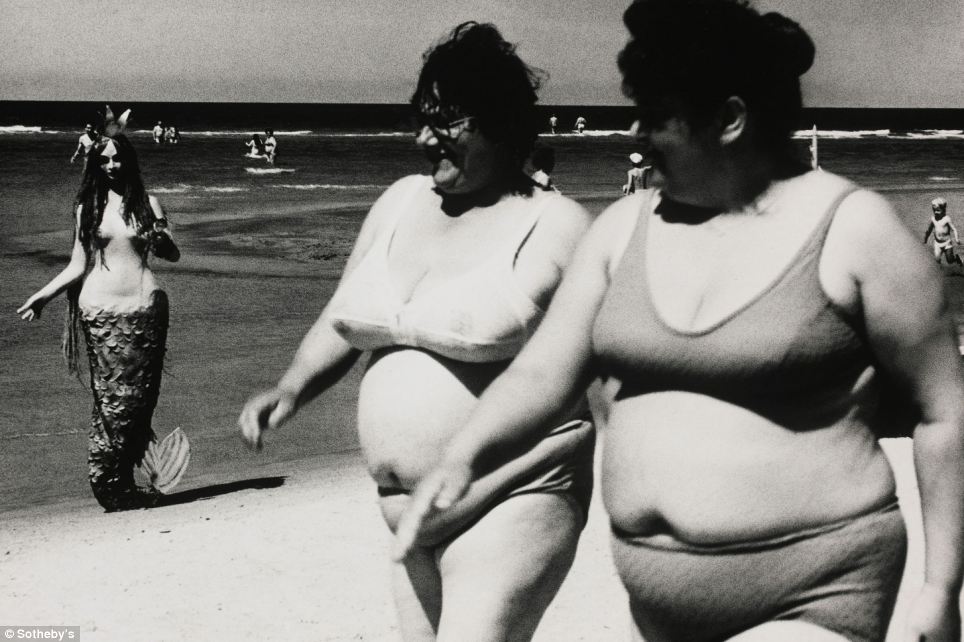
And if there are still shy people in Estonia who fear ending up in front of a lens on the beach, there is no reason to worry. It’s almost impossible to find photos of contemporary beach life from a public internet environment. So there’s no need to be afraid that someone’s arm or beer belly, for example, will be sold at an expensive auction in England.
One of the few photo series we managed to find was under a news item in Postimees, where photographer Joosep Pank did a photo story from Stroomi beach.
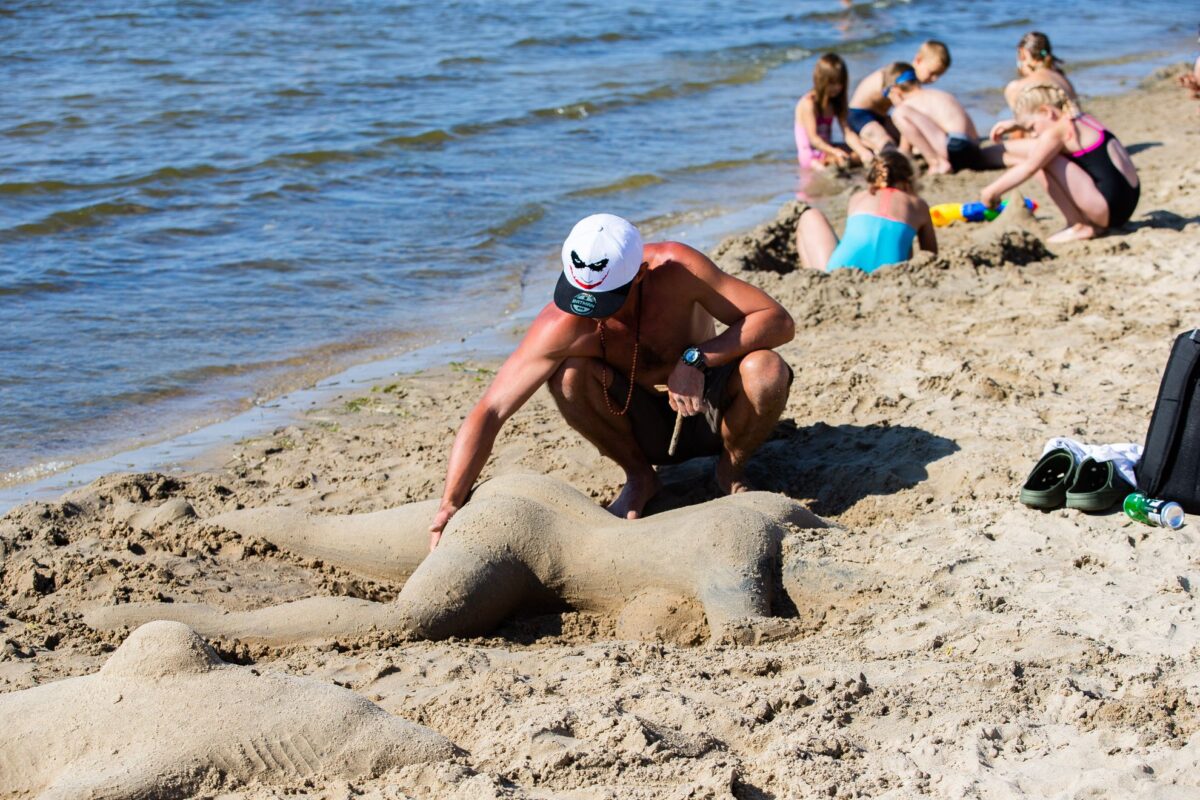
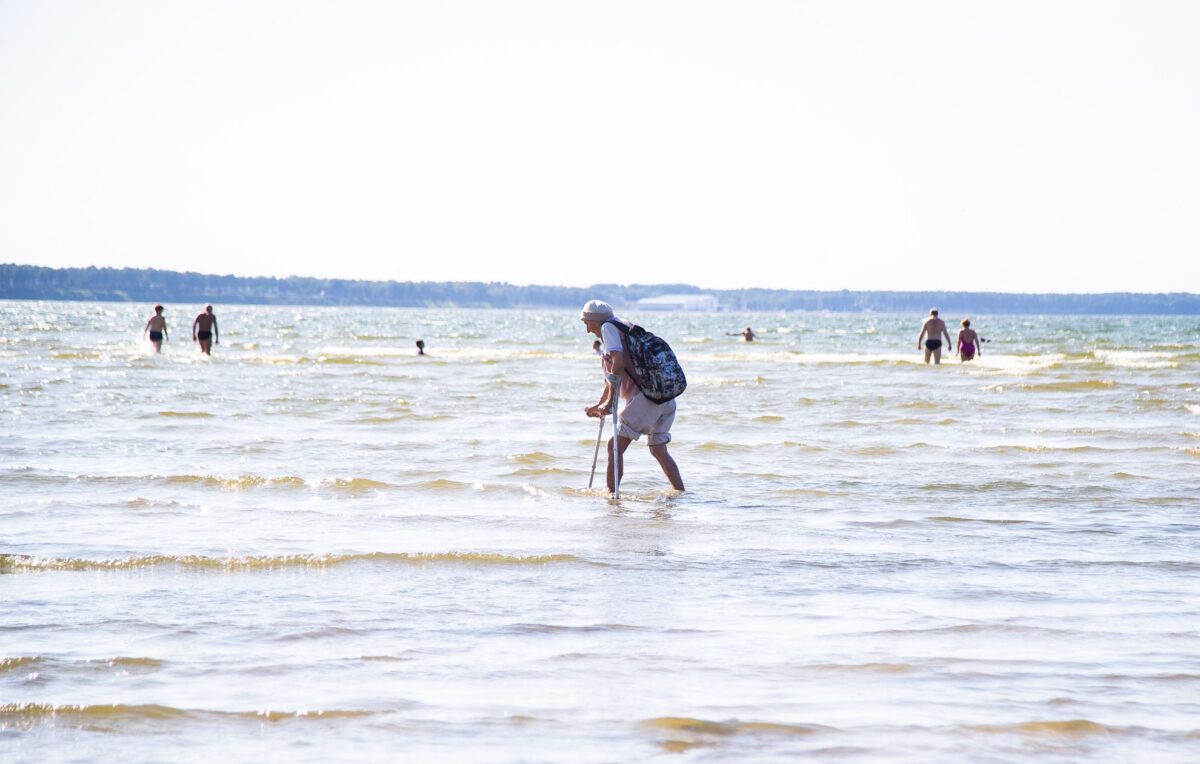
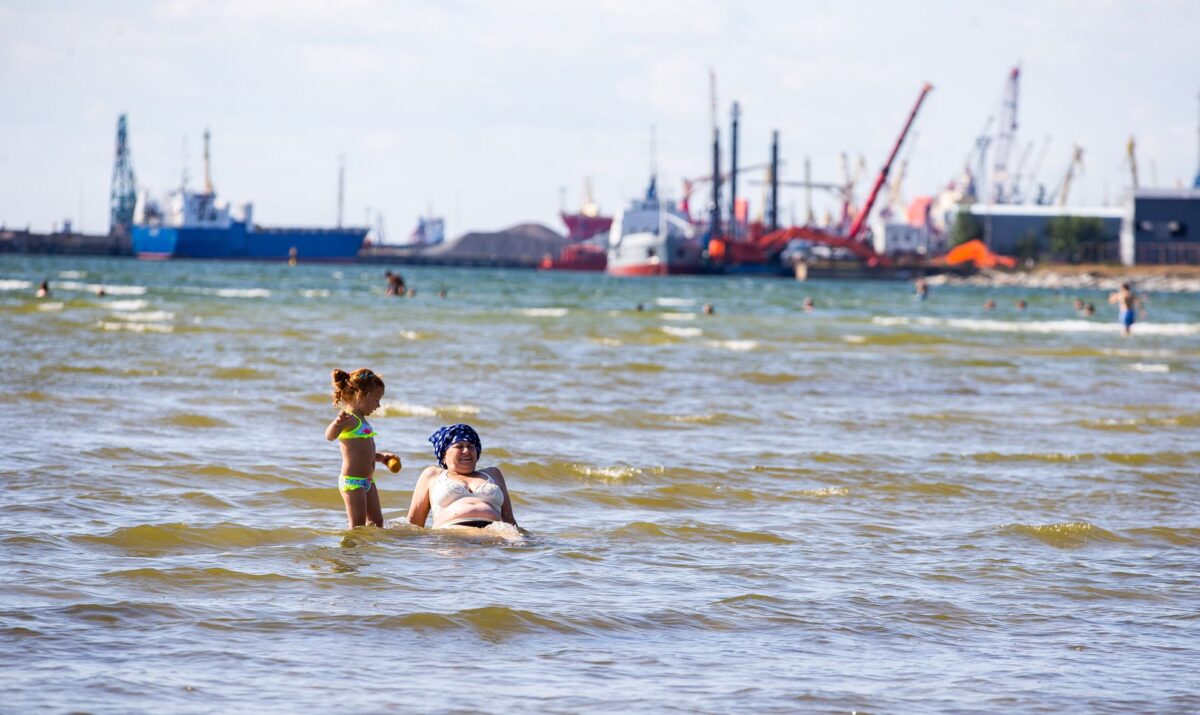
And if the above sparked a desire in a photography enthusiast to head to the beach, here are a few recommendations and tips on how to remain unnoticed there and get some nice frames:
- Don’t stand out from the people at the beach. If you go to the beach after Midsummer as white as a swan, then you really will look like a white swan. The recommendation is: get a tan by early June.
- Take good care of your camera gear. Scorching sun, water, sand, and dust are not your gear’s best friends.
- If possible, use a small and compact camera—the larger the camera or lens, the more you will stand out.
- If you can bring children along, that’s a good idea. While photographing your own kids, you can also grab a few nice beach photos without anyone paying attention. Note: near the water, don’t forget to take pictures yourself—and keep an eye on the children at all times to avoid accidents.
- Sometimes it’s worth shifting your attention away from the hot beach sand to things that usually remain in the background, such as beach cafés, rental points for beach equipment, and sports courts. Often it’s exactly there that something worth documenting can happen.
Sources used:
- www.postimees.ee
- https://juanjosereyes.wordpress.com/
- https://erickimphotography.com/
- https://www.magnumphotos.com/
- https://bit.ua/
- https://cameralabs.org/
- https://photographylife.com/
- https://www.thecollector.com/
- https://www.muis.ee/
- https://www.newyorker.com/
- https://et.wikipedia.org/
Preparing for beach season and reflecting: Airi Leon and Toivo Tenno.