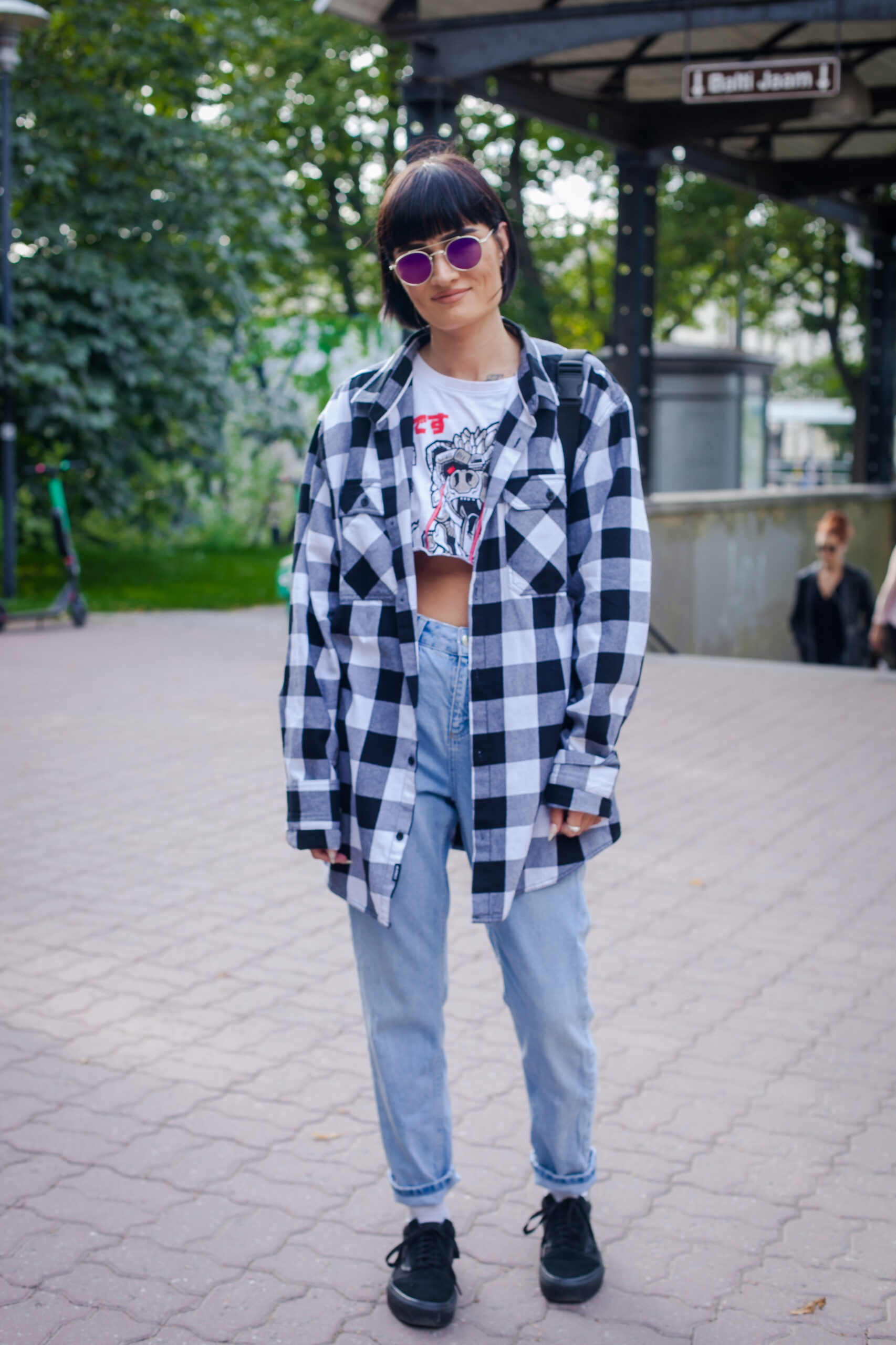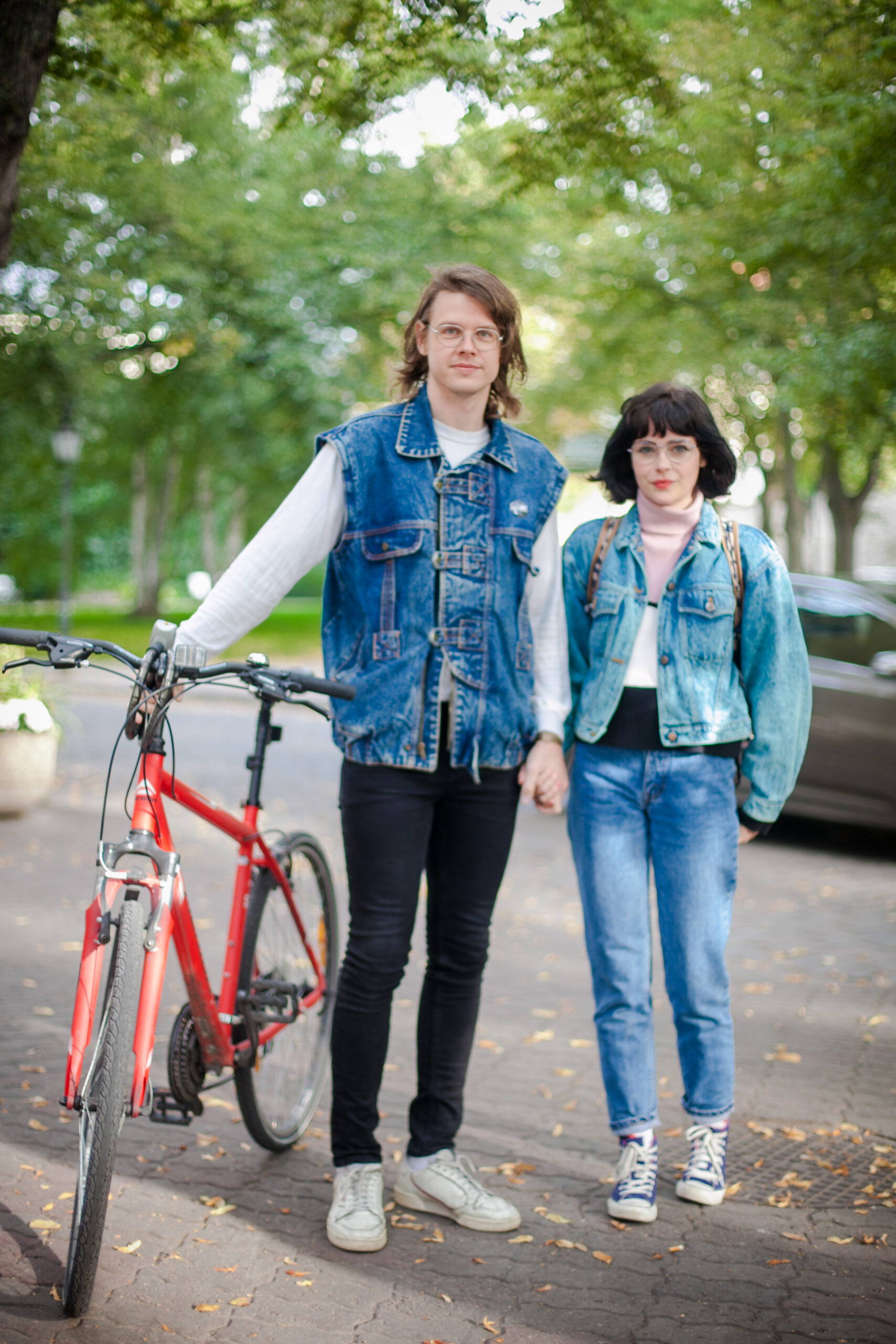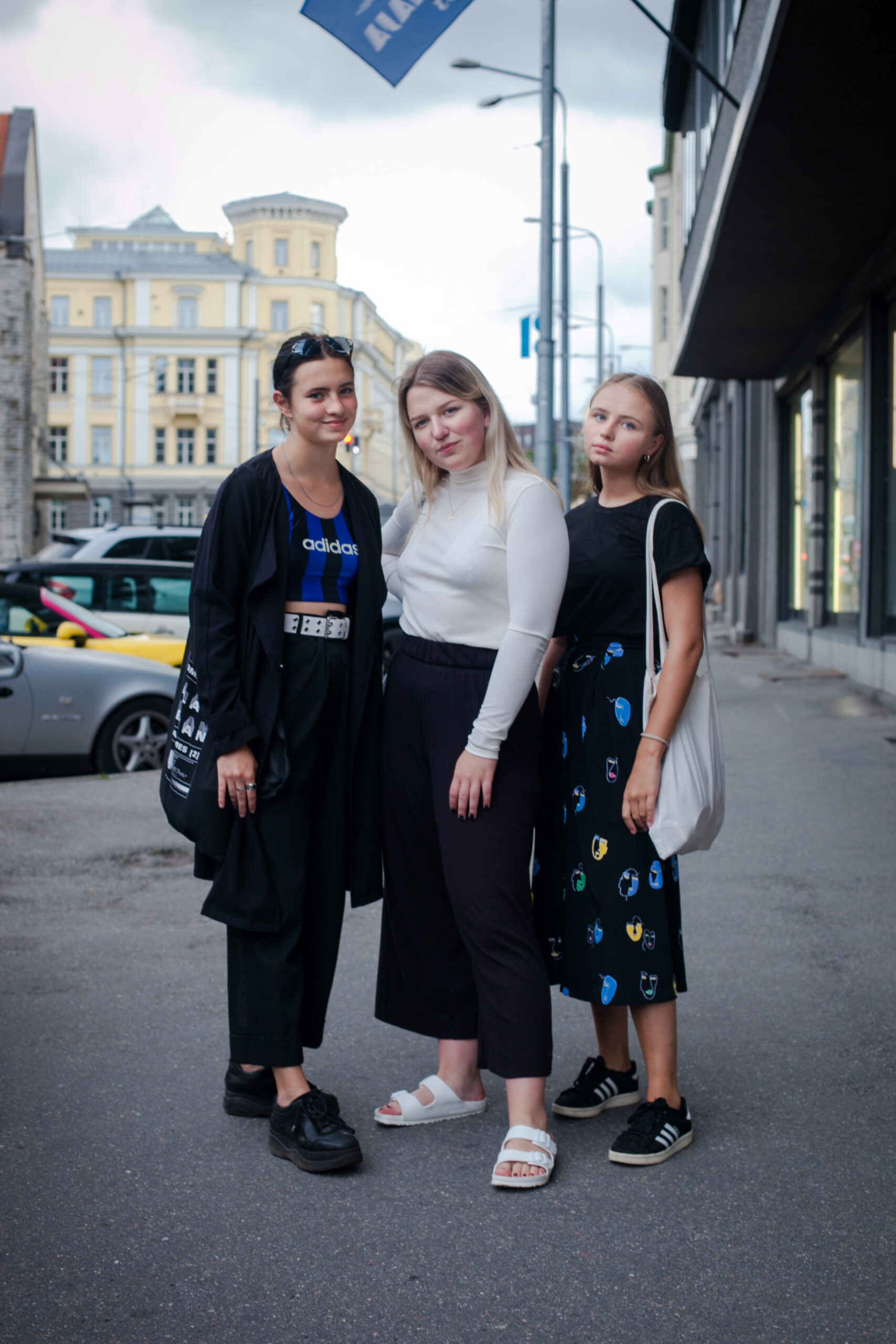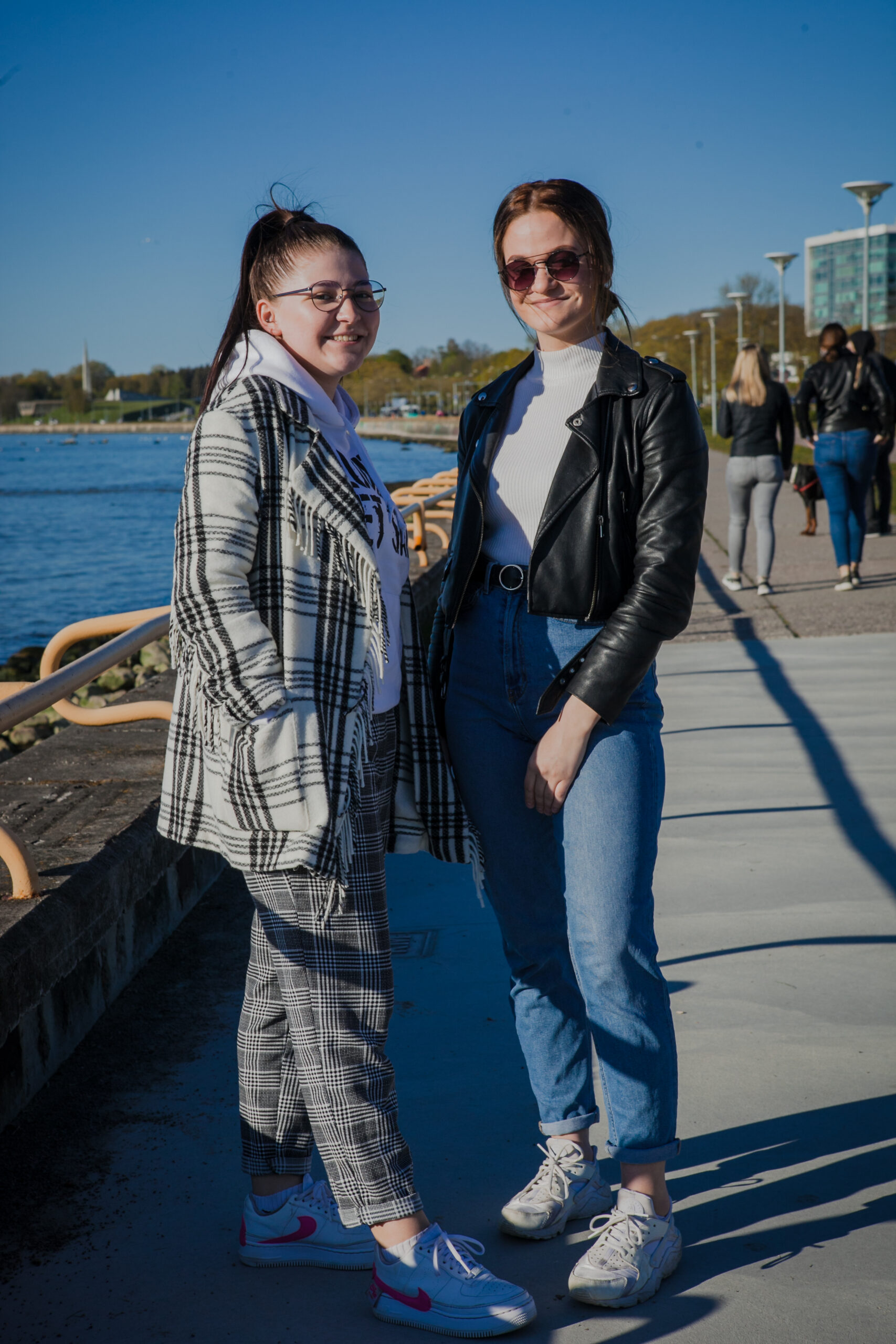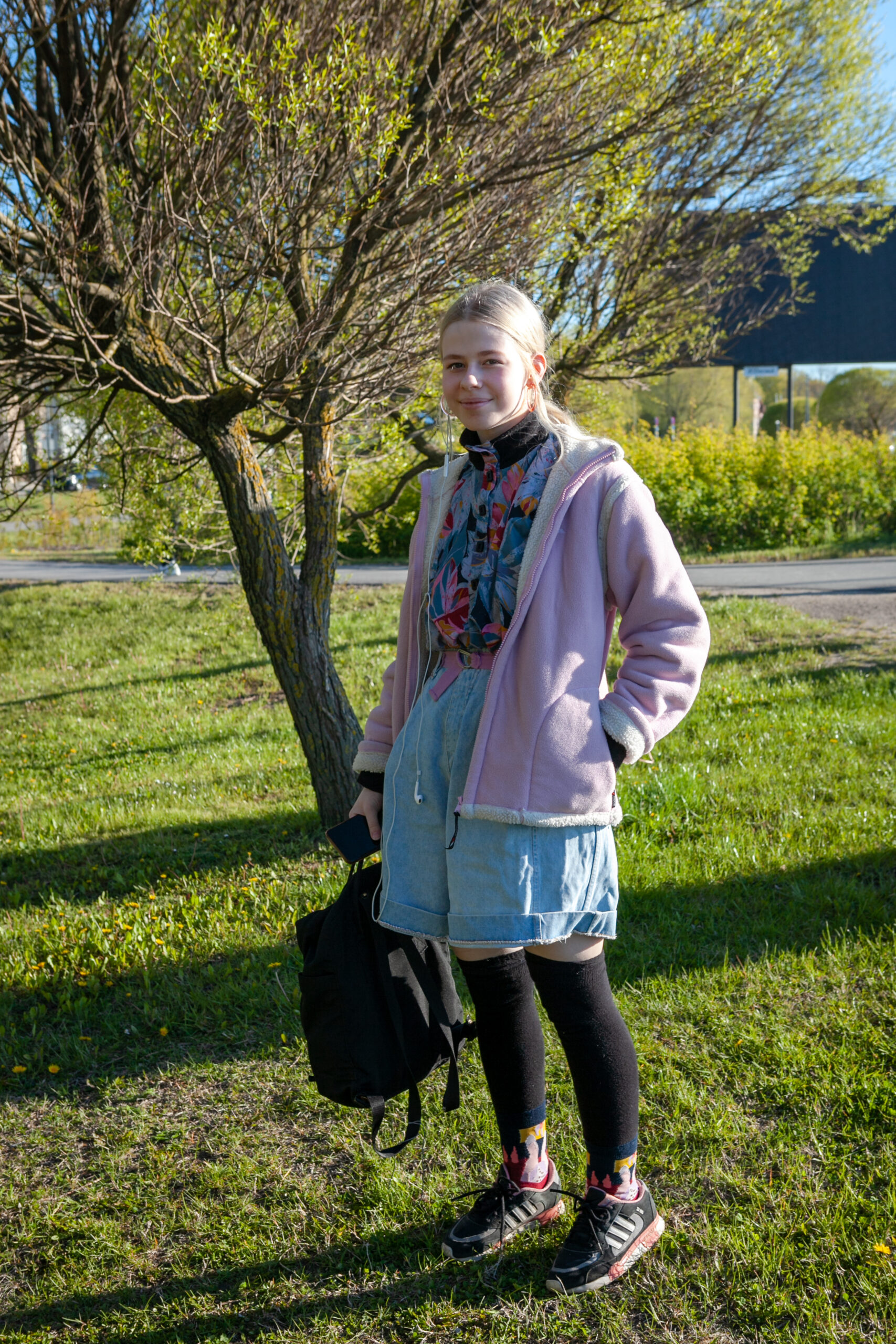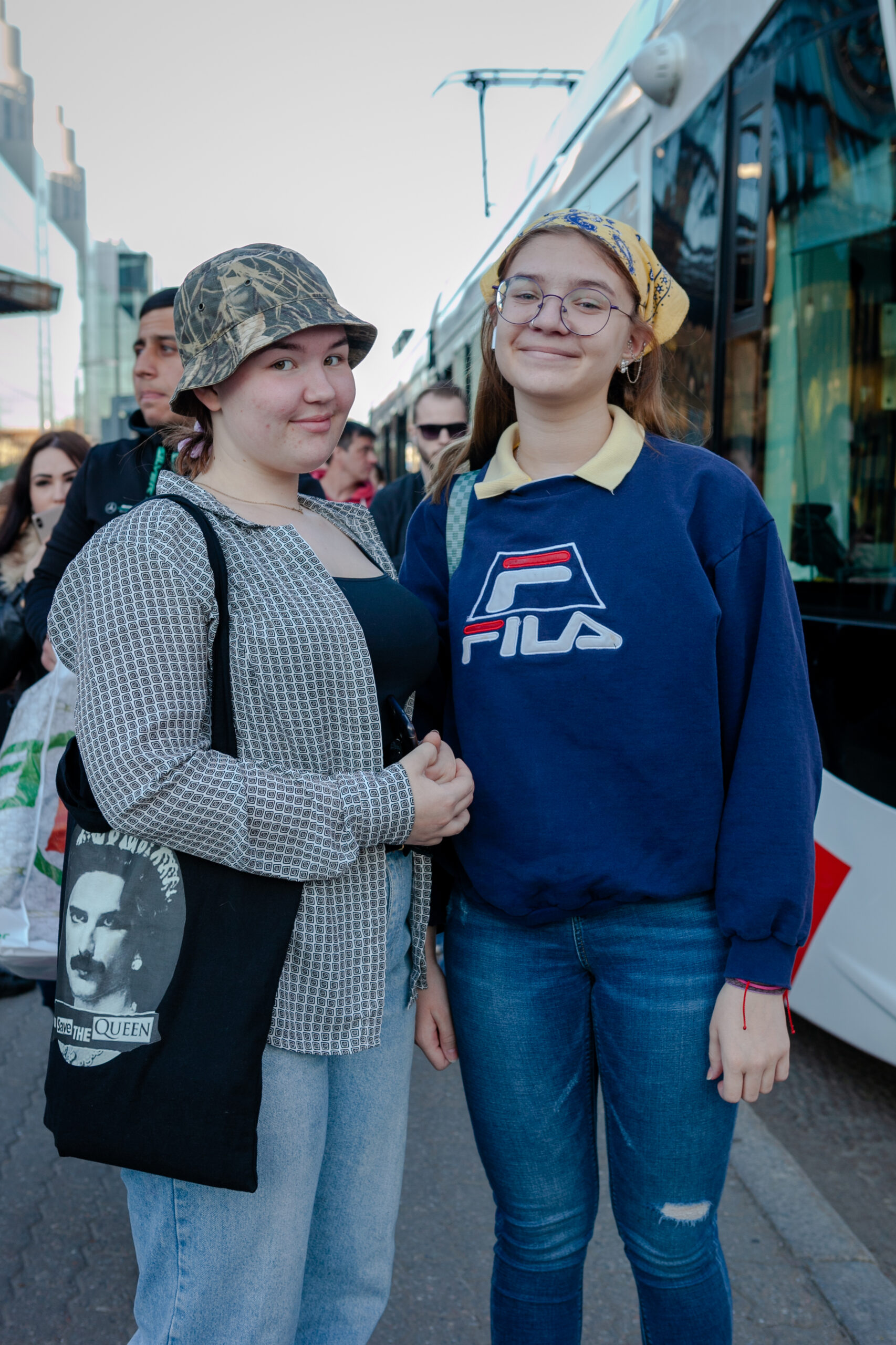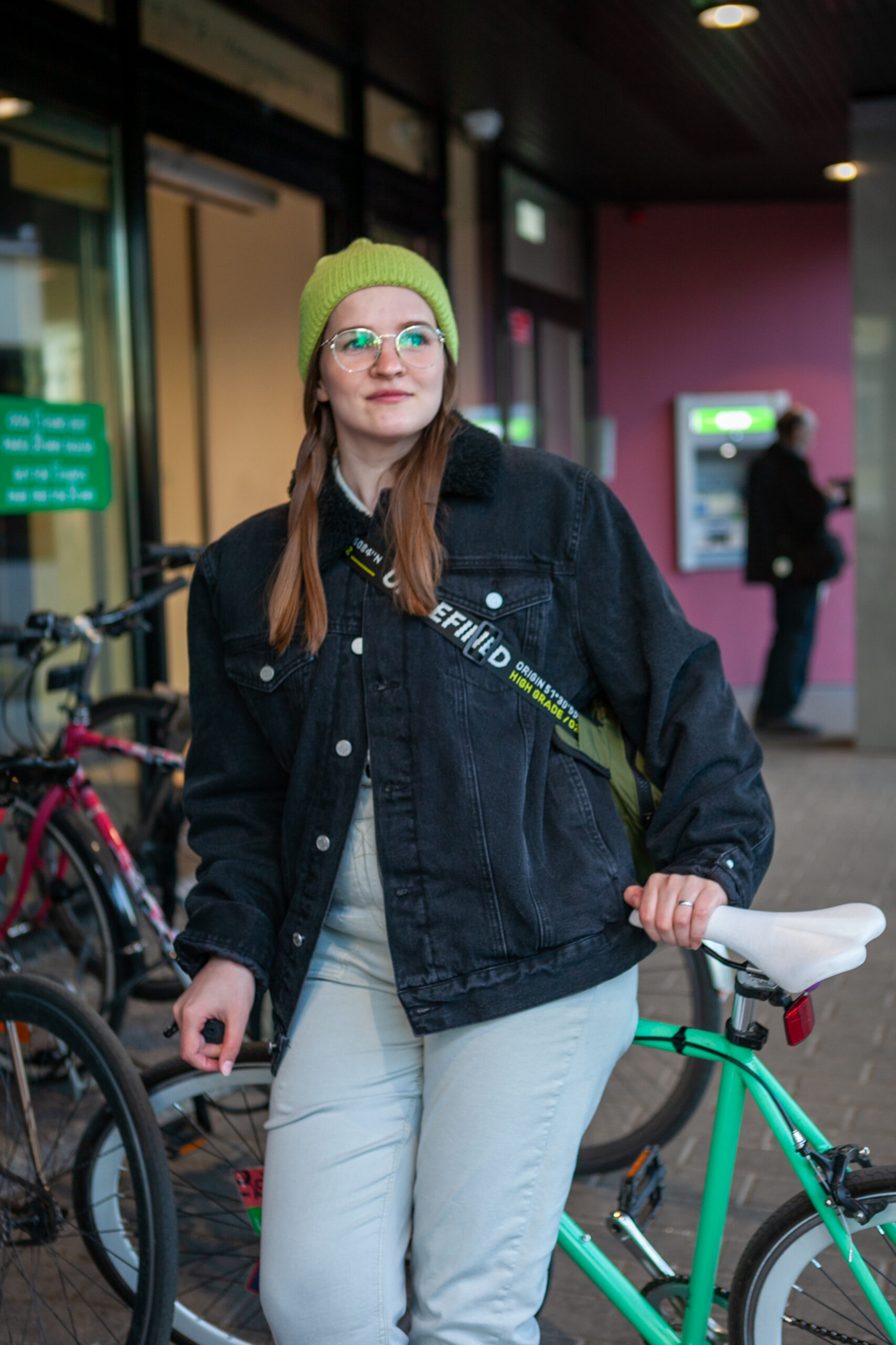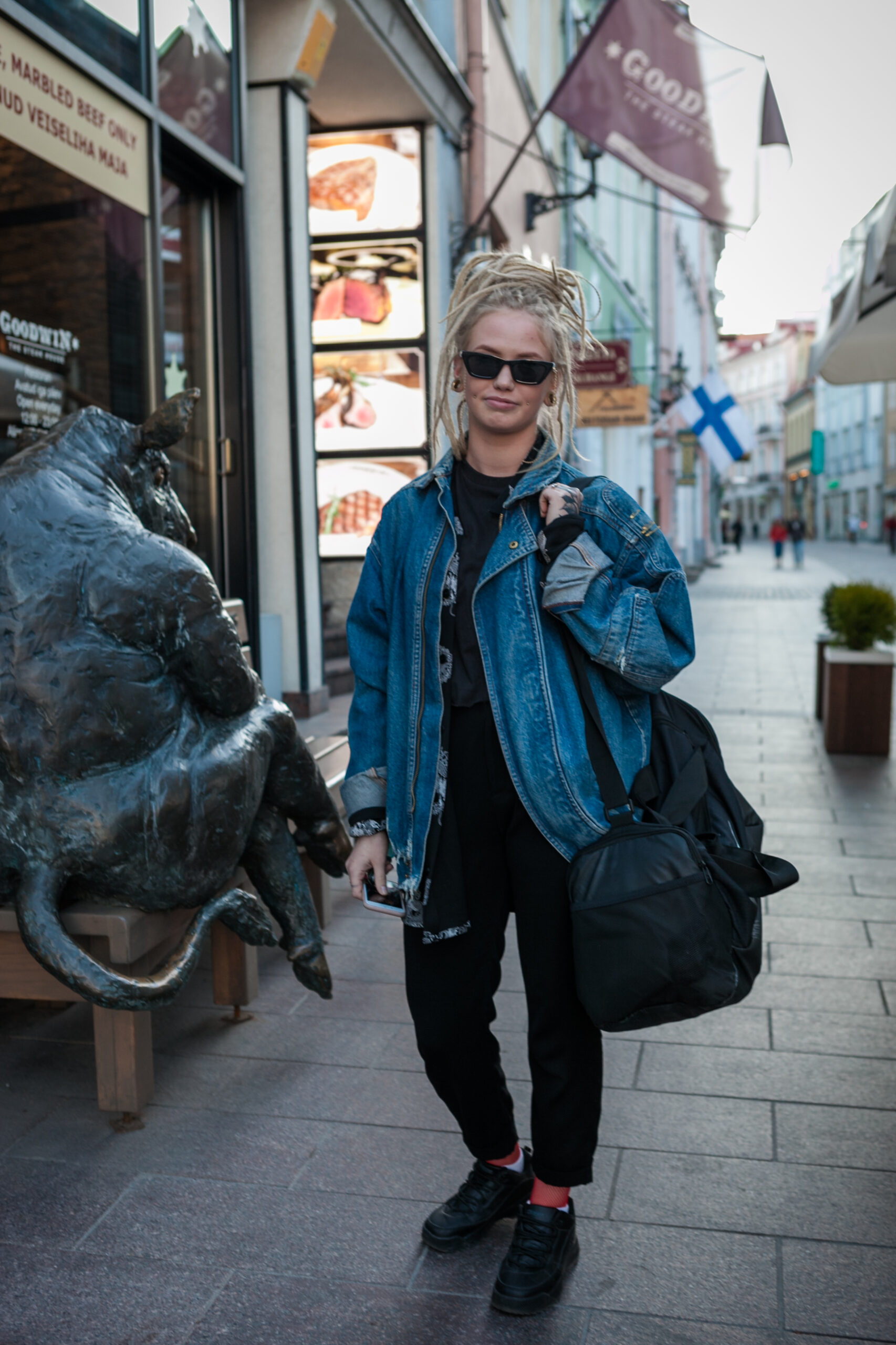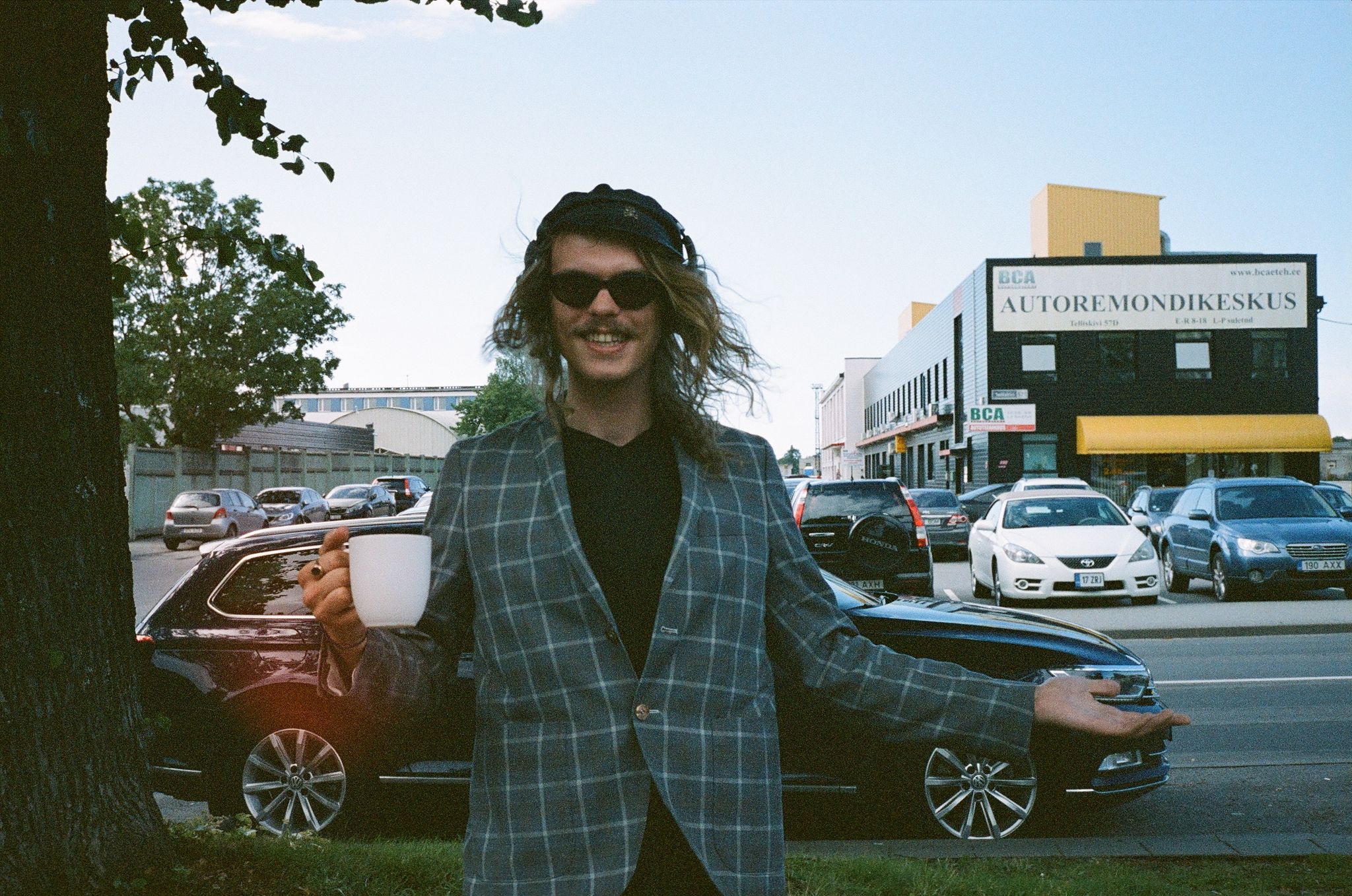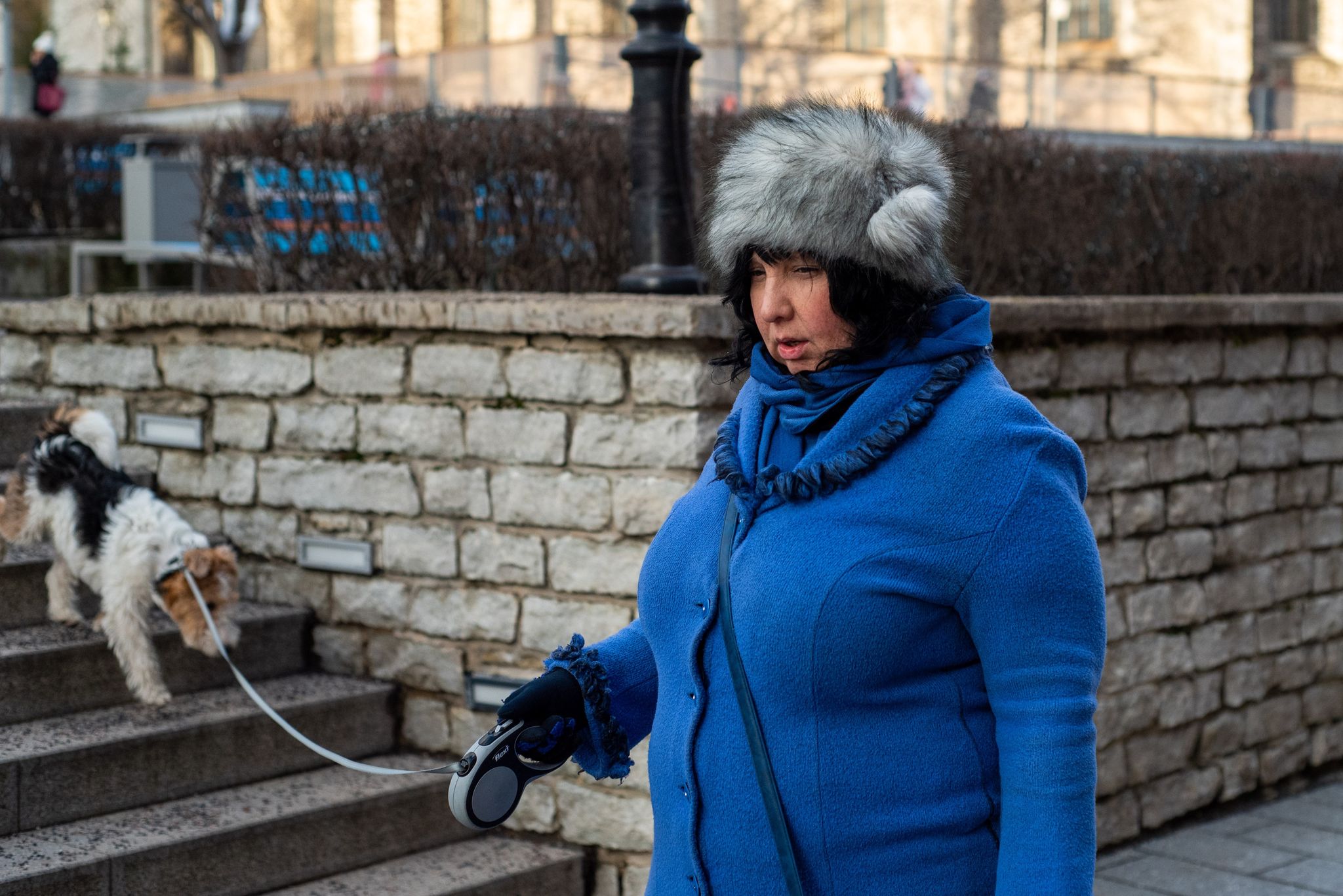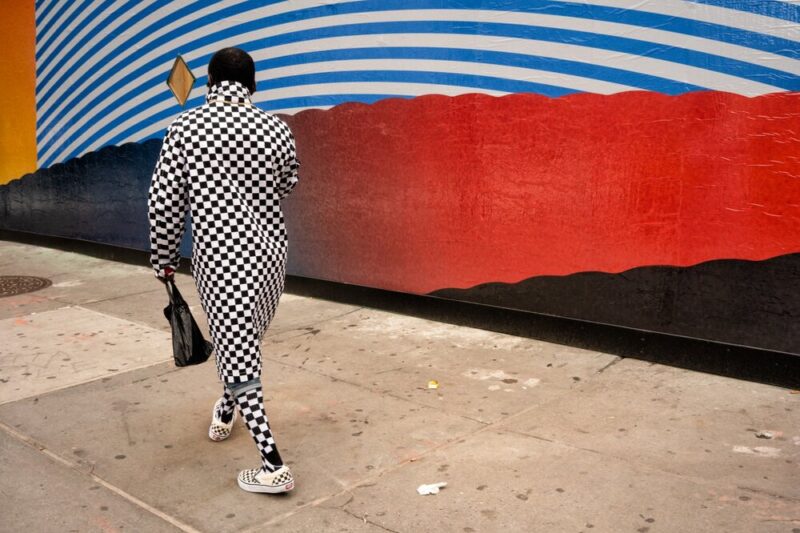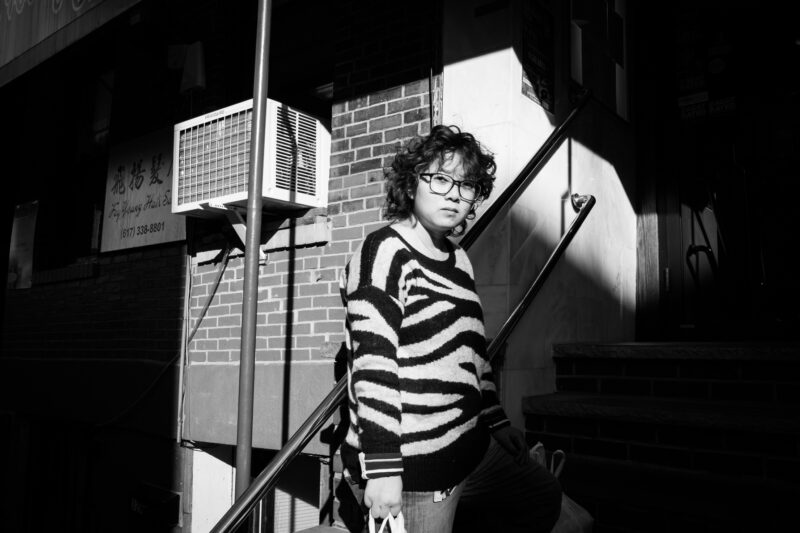

Making portraits is not usually the first choice for Estonians in street photography, yet it offers many exciting nuances. With a few useful tips, you may discover a very colorful world for yourself.
Street photography most often involves capturing people or human activity. In street portraits, this approach becomes more intimate, as the focus is on a specific individual or individuals.
A street portrait is primarily a photograph taken in a public space of a stranger. Sometimes there has been debate about whether it even falls under street photography. Fortunately, most photographers consider it a subgenre of street photography.

Portraits can be made in a candid style (photographing without the subject’s knowledge) or by asking for permission. One of the best-known street portrait photographers is Bruce Gilden, whose style involves pointing the camera very close to people without asking—something that strongly distinguishes his photos. Another well-known portrait photographer is Diane Arbus, who created the iconic photograph of twins, among many other compelling portraits. Diane’s approach leans more toward documentary photography, as she portrayed people she encountered in her life. At the same time, within the street photography world she is often cited as a strong example of the genre. Historically, we can also mention several other photographers who found interesting ways to capture street portraits, such as Vivian Maier, William Klein, and Helen Levitt.
Although approaching a stranger may initially feel intimidating or uncomfortable, it is not strange at all. Asking for permission in an honest and respectful manner should generally not be difficult, and by using certain techniques, it can become even easier.

Here are some tips on how to get an interesting street portrait from a stranger:
- Create quick first contact. Don’t hesitate about whether you should approach. If someone seems interesting to you, think about why you want to photograph them and approach immediately. You can easily make first contact through eye contact and a smile.
- Explain why you want the photo. Let them know what you like about them or explain what the photo is for. Asking a stranger for a photo should feel like giving a compliment. When people understand that your intention is not malicious, they are usually willing—and sometimes even flattered—to have been noticed.
- Guide your model. Sometimes a person may feel confused and not know what to do in front of the camera, so guide them—direct them toward a background, ask them to look in a certain direction, gesture, etc.
- Communicate with them. You can talk to them while photographing. Ask interesting questions—for example, where they are from, what they do, or how their day has been. This way you can capture authentic emotions at the same time.
- Try different angles. Once you’ve gained the trust of an interesting person walking on the street, try to take as many different shots as possible. Experiment with different backgrounds, play with light, and you can even try shooting with flash.
- Show them the result or send the photo. To maintain good contact, you can show them the photo on your screen so they can see the result and give feedback. People often like photos of themselves, and you can also send it to them as a memory. Since people frequently share images on social media, these photos may also be used there. Exchange contacts so you can send the image and they can tag you if they post it.
- Thank them. Always thank the person you photographed. Even if you didn’t ask for permission beforehand but they noticed you taking the photo, thanking them shows you were polite and respectful. If you did ask for permission and received the photo, you should still thank them, as they took time out of their day for you.
- Be prepared to accept rejection. Many photographers recommend challenging yourself to collect 10 “no” answers from strangers. It may not be as easy as it sounds. At the same time, it helps you overcome the fear of rejection. Keep in mind that you may approach someone at the wrong time, or they simply may not want to be photographed. Respect their decision and move on—you might find an even more interesting person at the next street corner.
- Shoot, shoot, and shoot again. The more you approach people for portraits, the more confident you will become. The fear of approaching strangers does not disappear overnight, but the more you do it, the better you’ll become at it. Practice also develops your photographic skills and helps you grow as a photographer.
- Enjoy the process. Don’t spend time reviewing images right after taking them—enjoy the process and make as many photos as possible. When you do what you love, it shows, and people tend to respond more positively.

You can also find good tips on YouTube. For example, videos on this topic have been made by Brian Llyod Duckett, Frederik Trovatten, Jamie Windsor, and Mikaël Theimer (TED Talk).
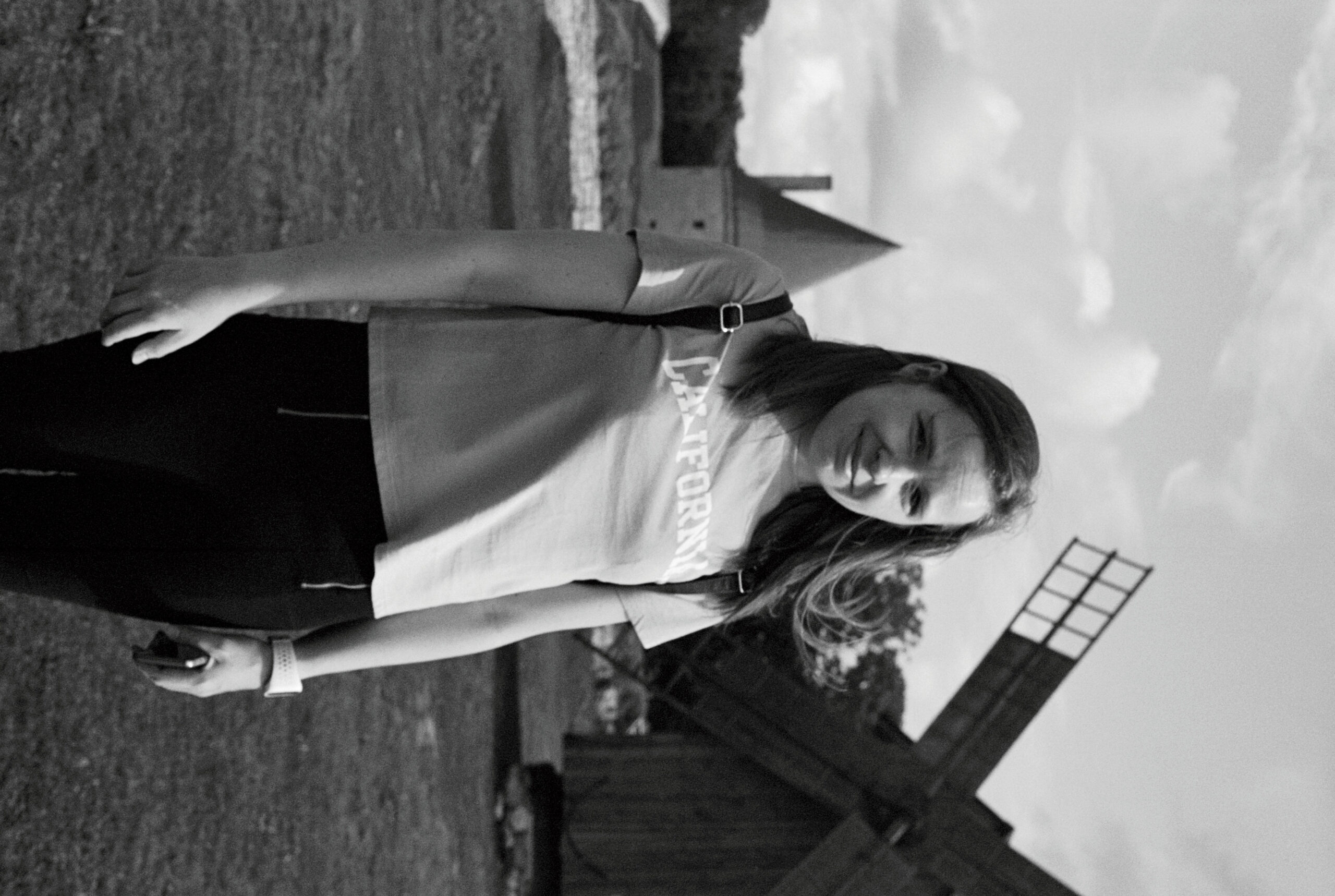
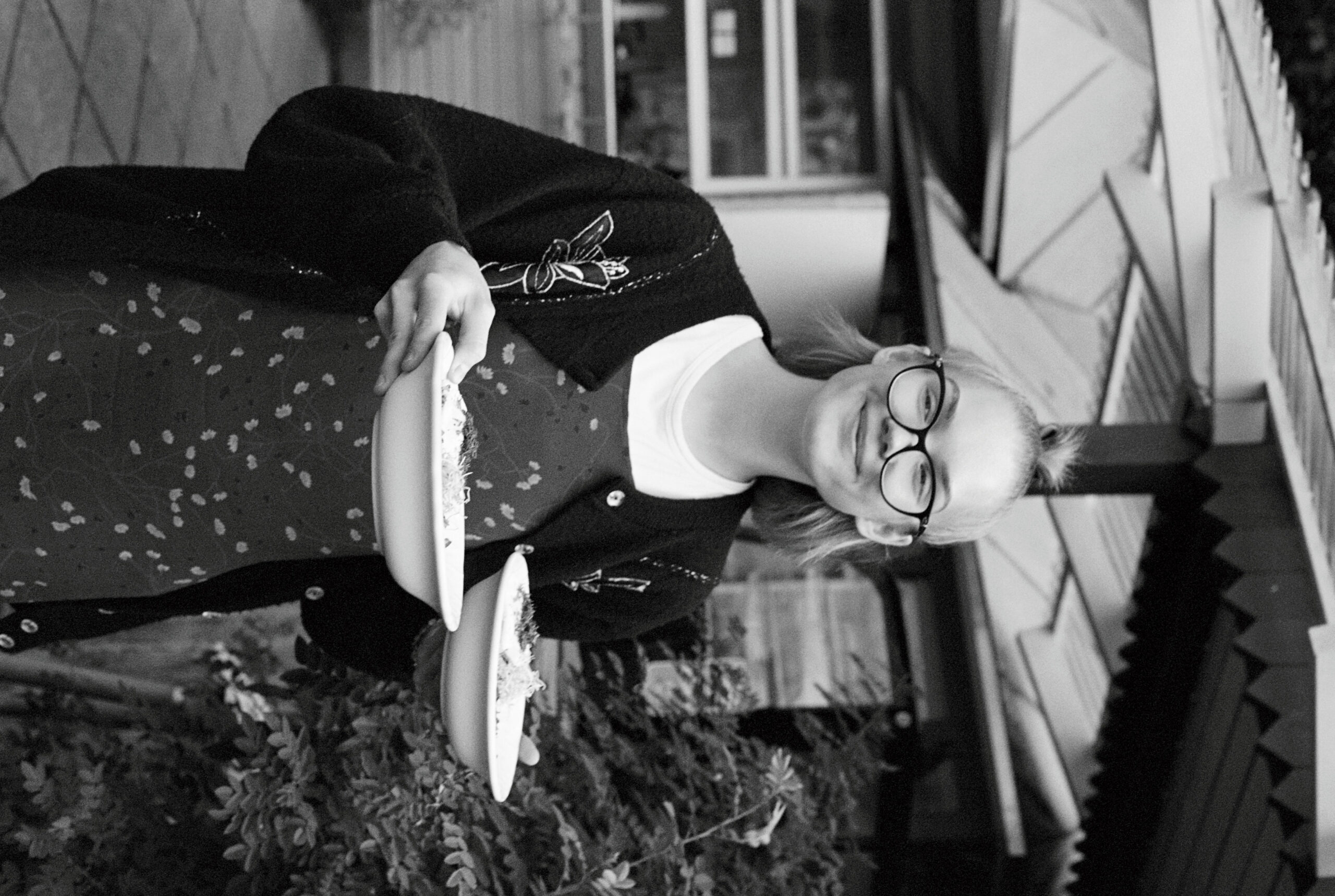
Also take a look at photos made during the Kuressaare street photography camp HERE. In addition to the street portrait assignment, participants had to shoot with analog cameras, which turned out to be a fun challenge and brought plenty of emotions for everyone.
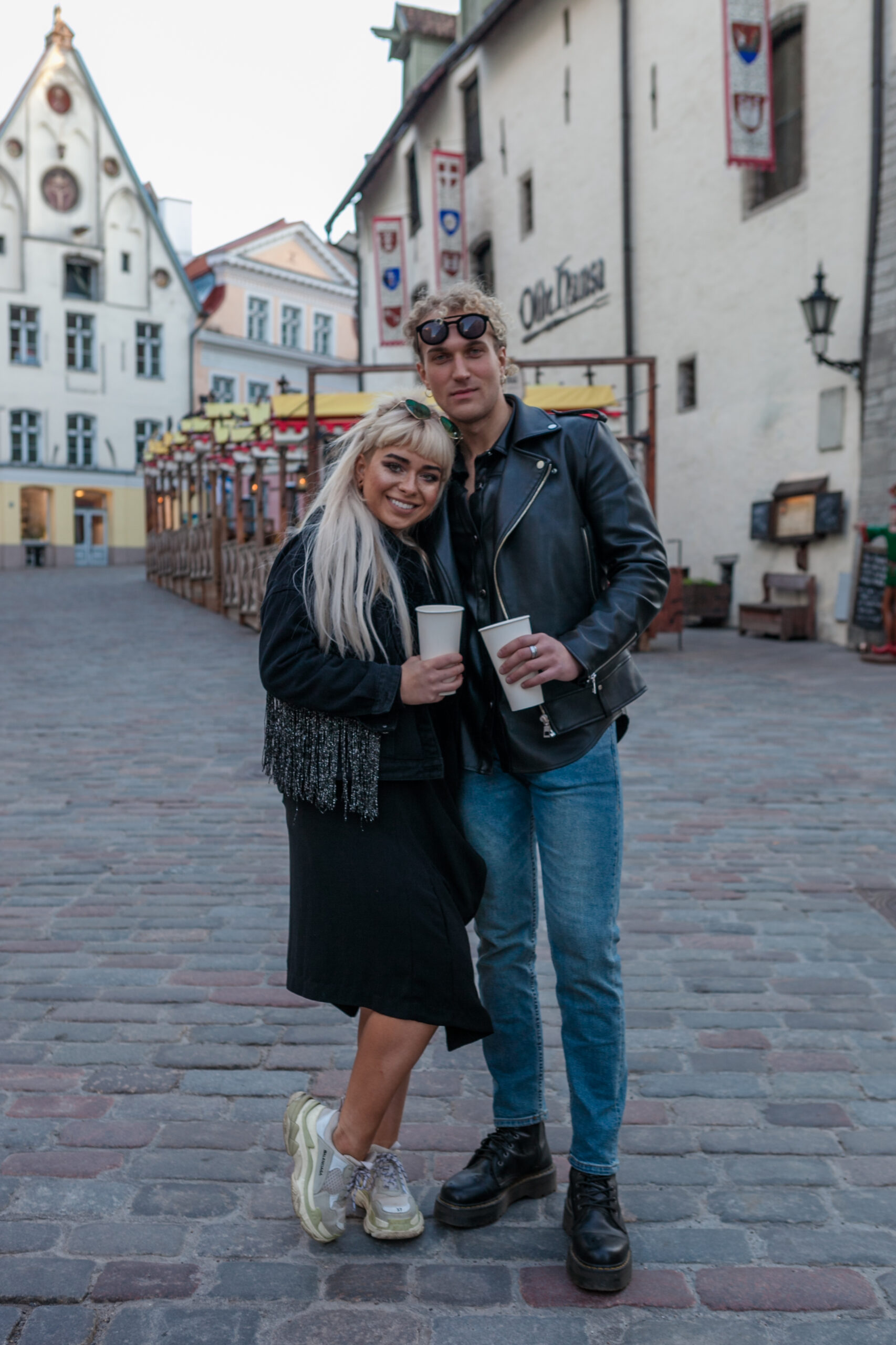
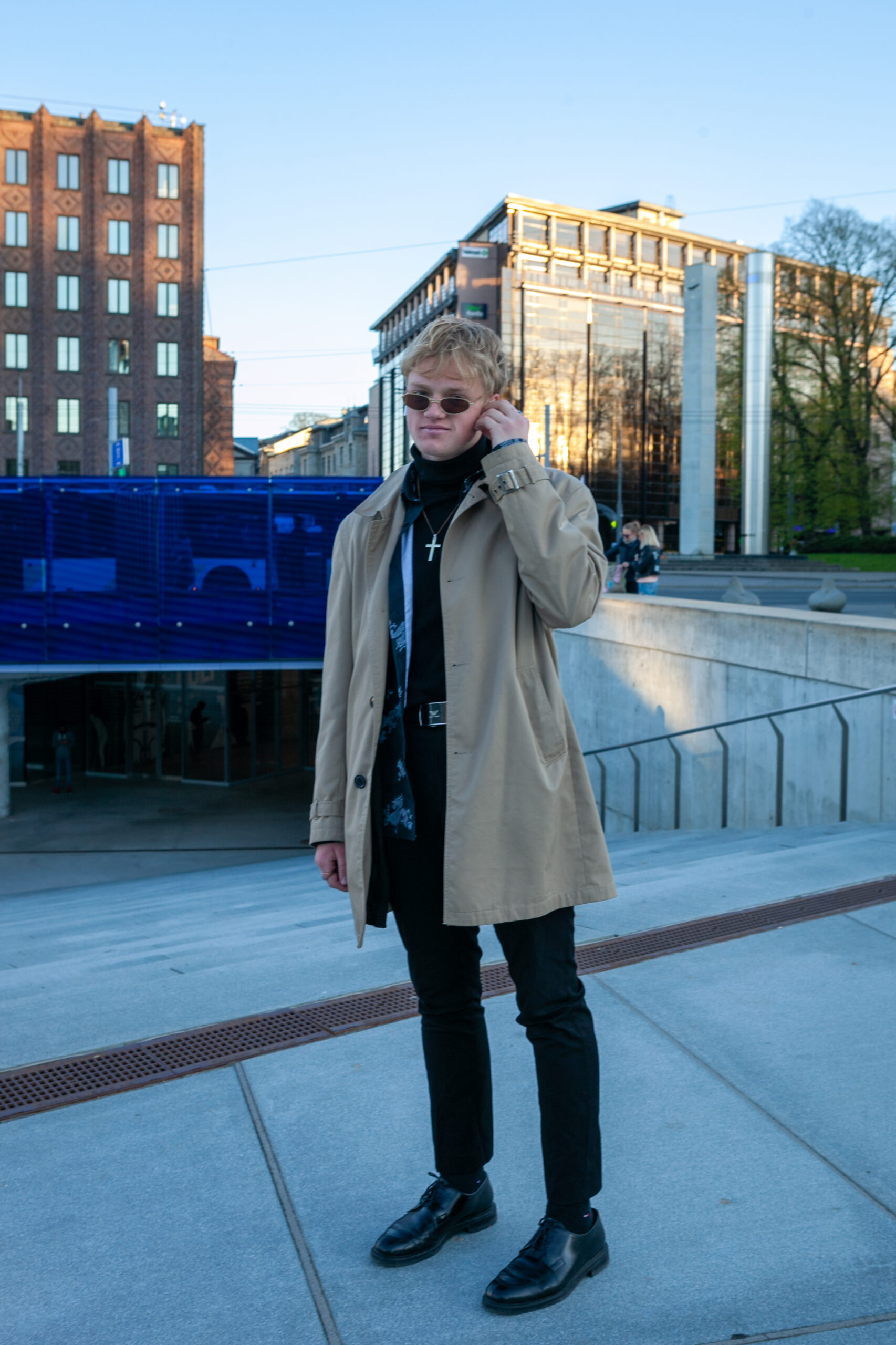
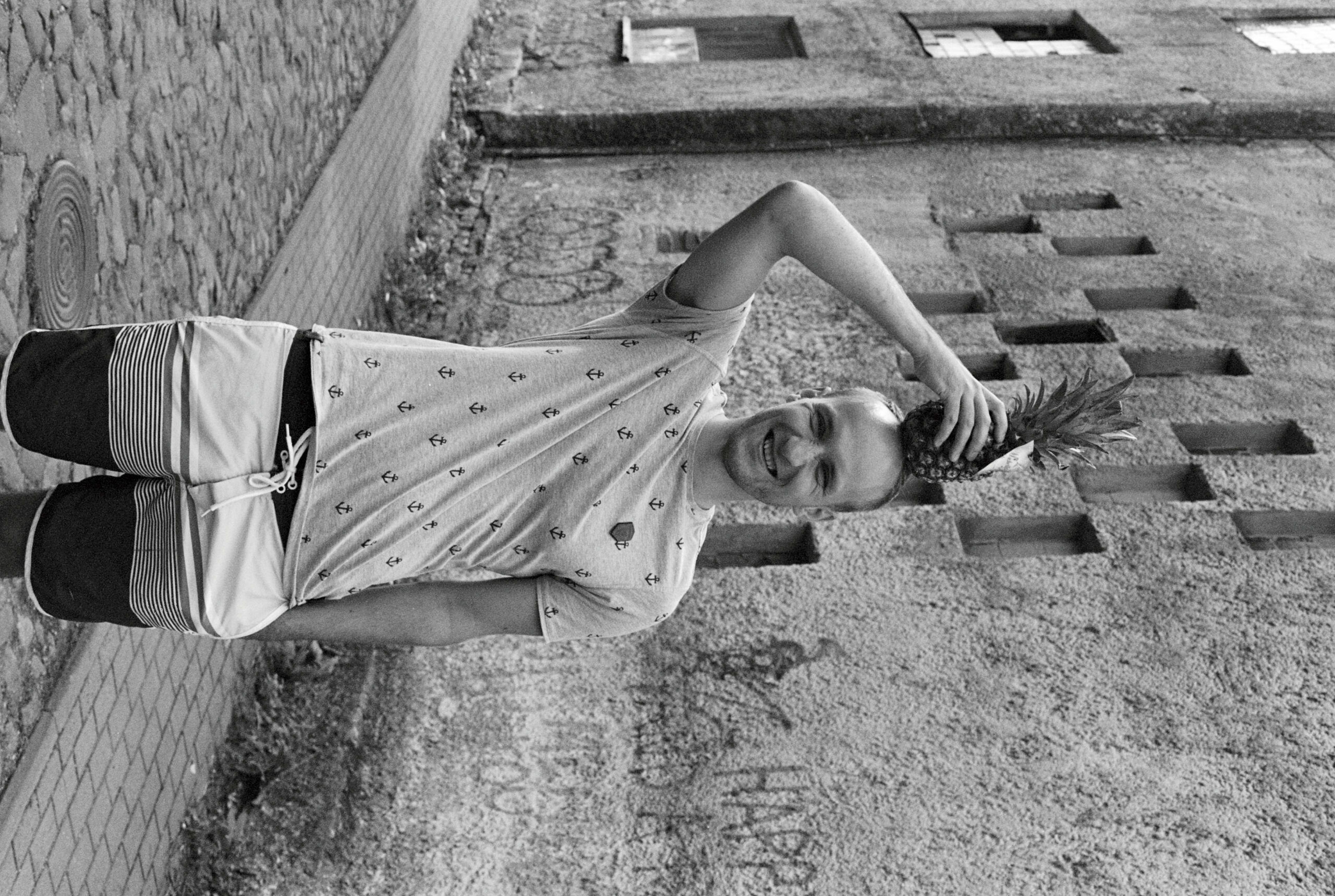
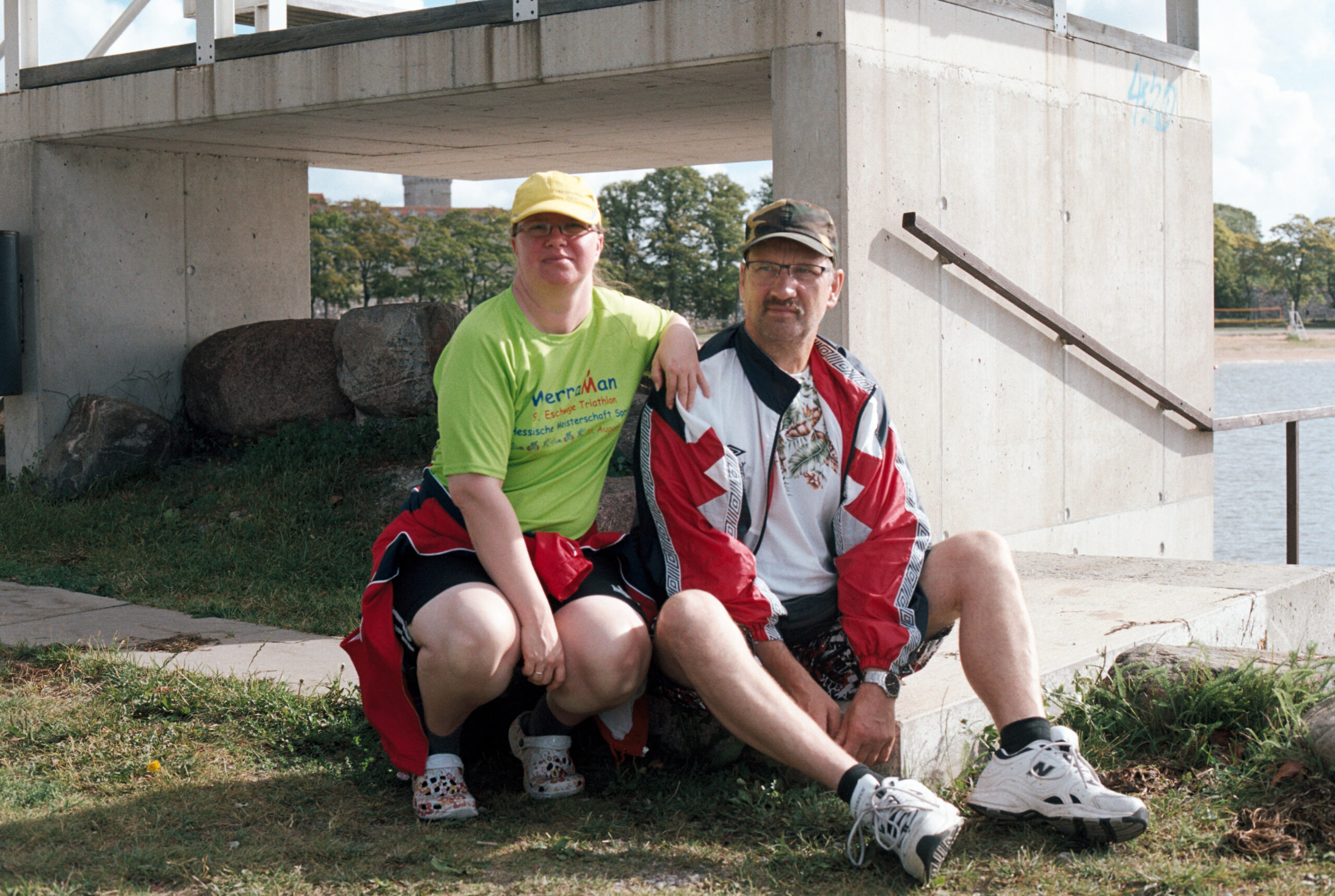
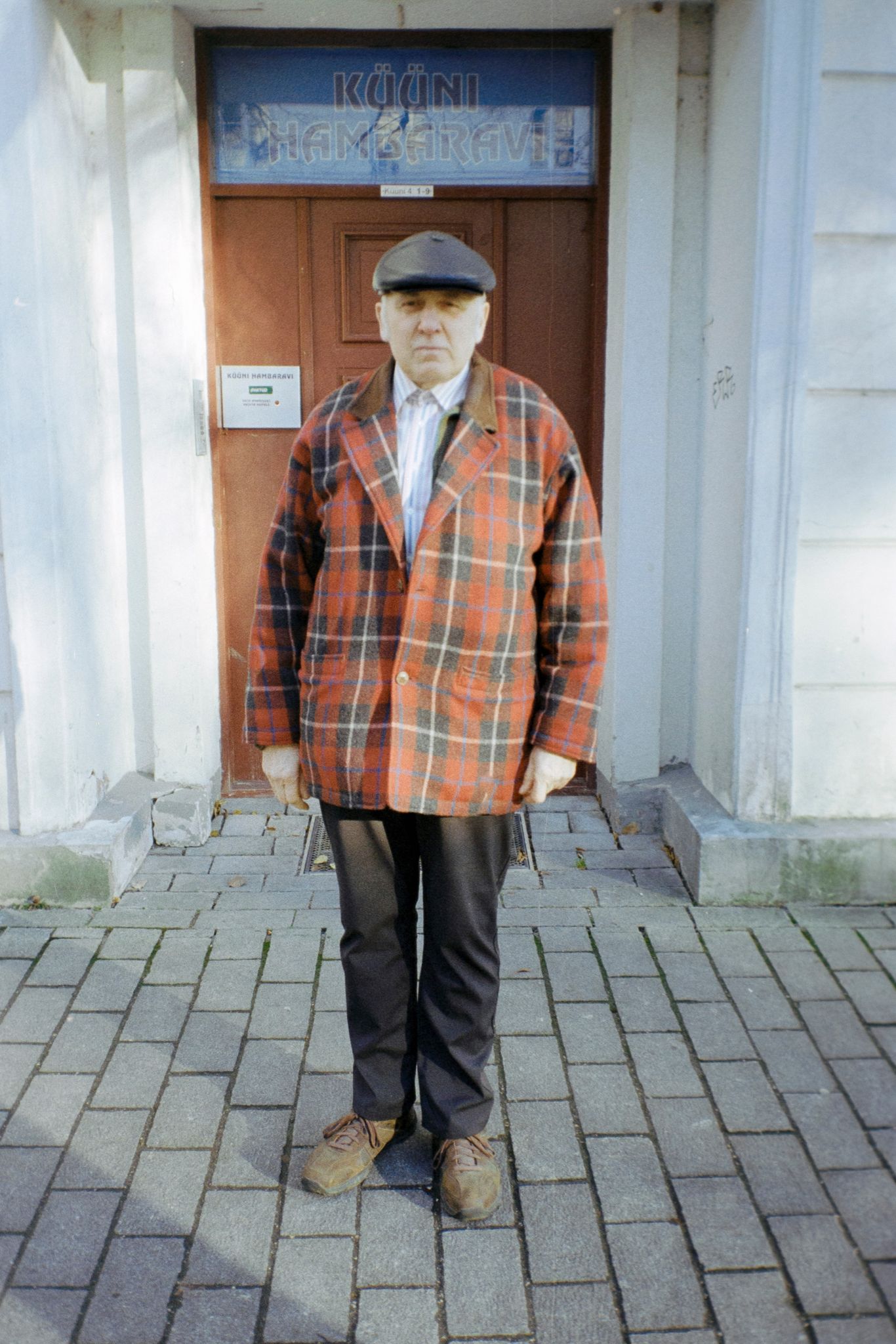
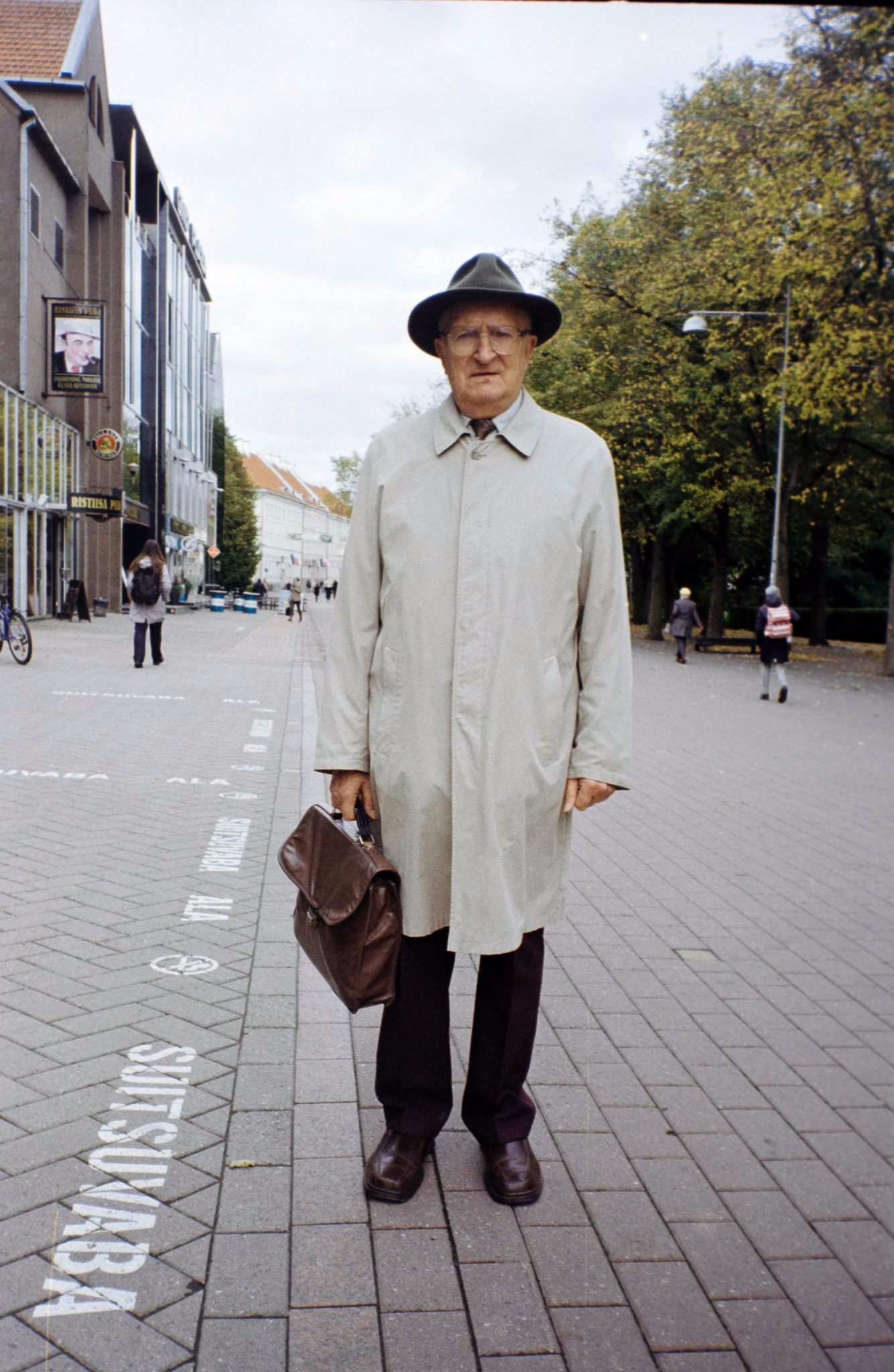
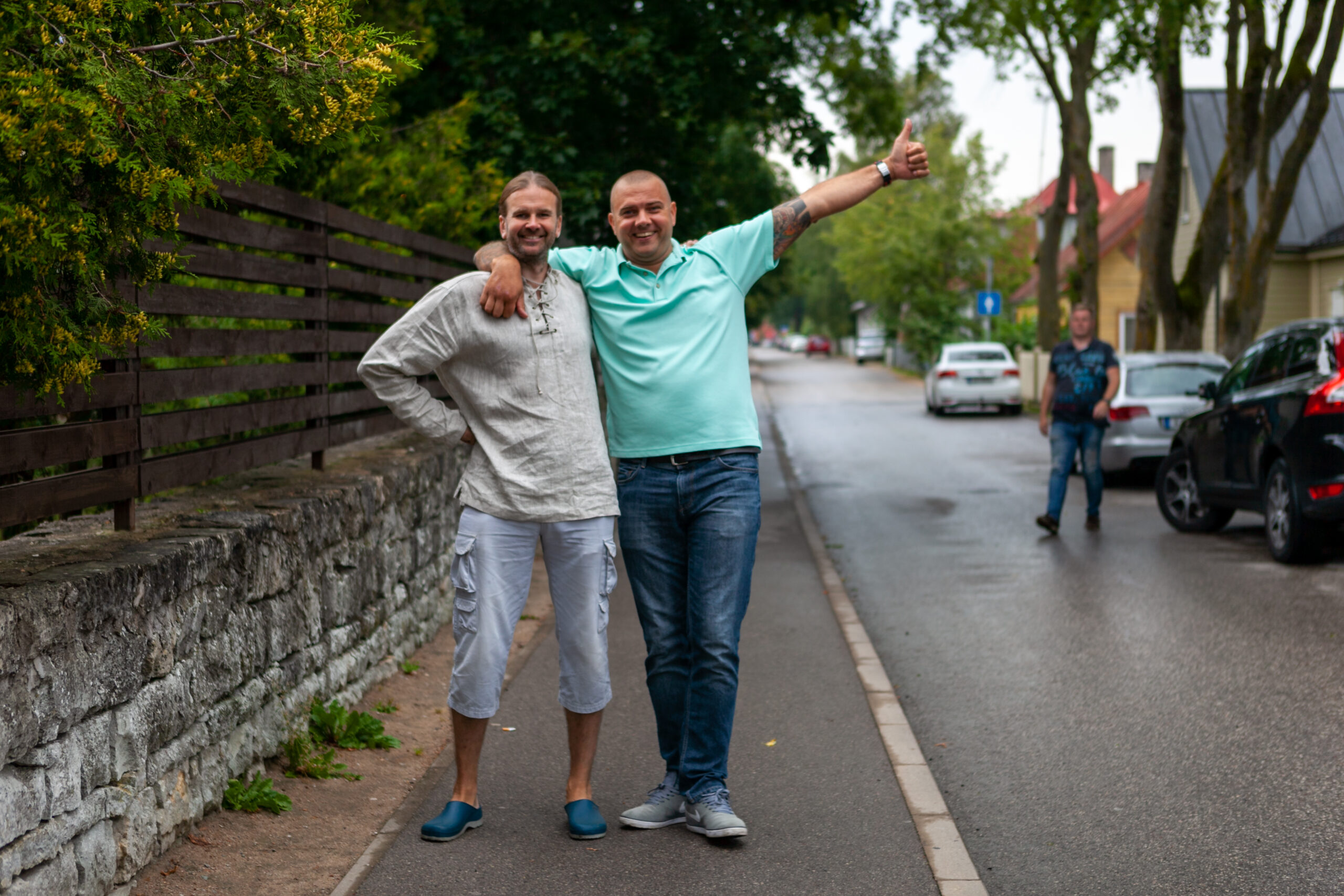
Selection of STREET PORTRAITS MADE IN ESTONIA: