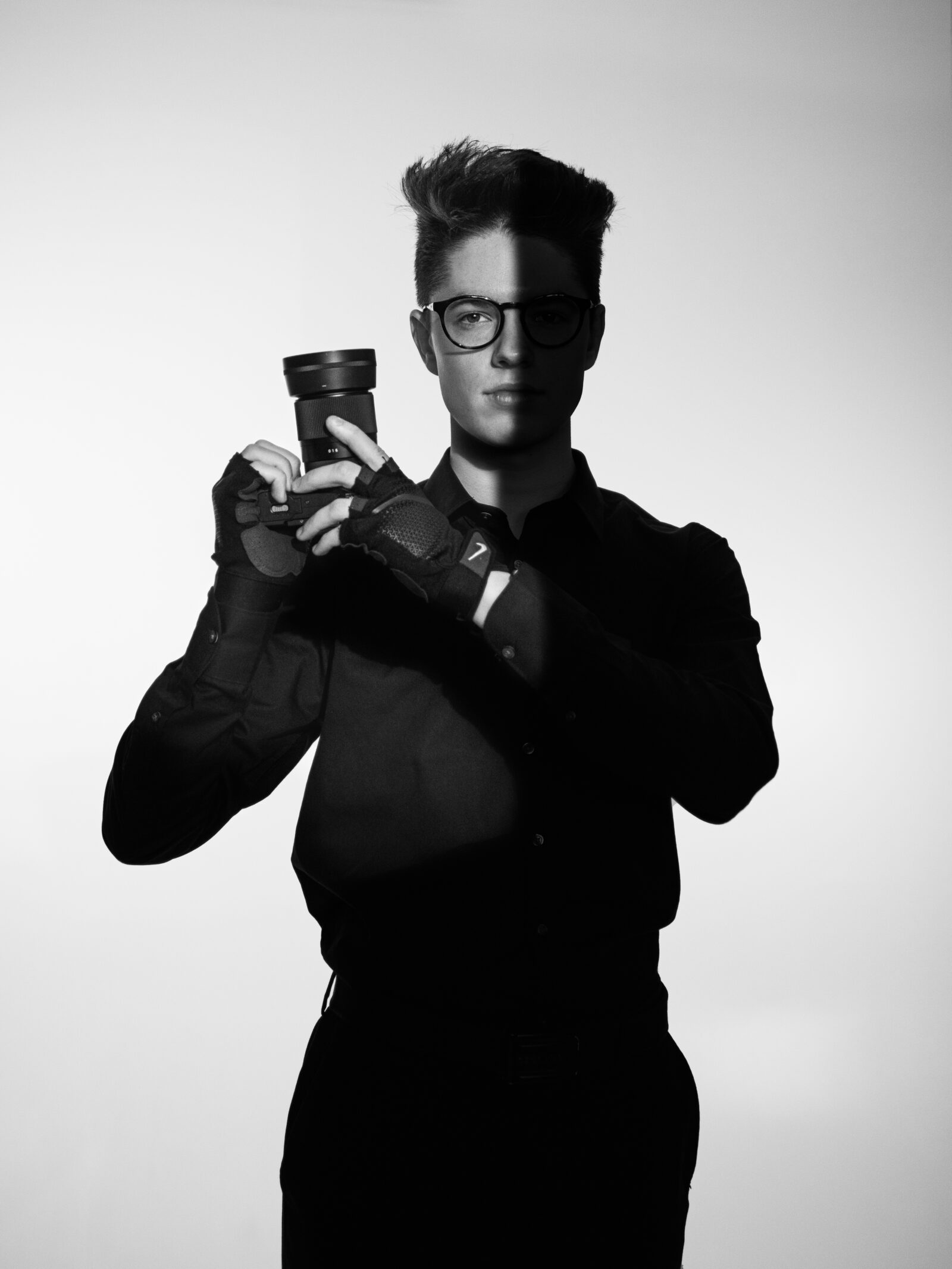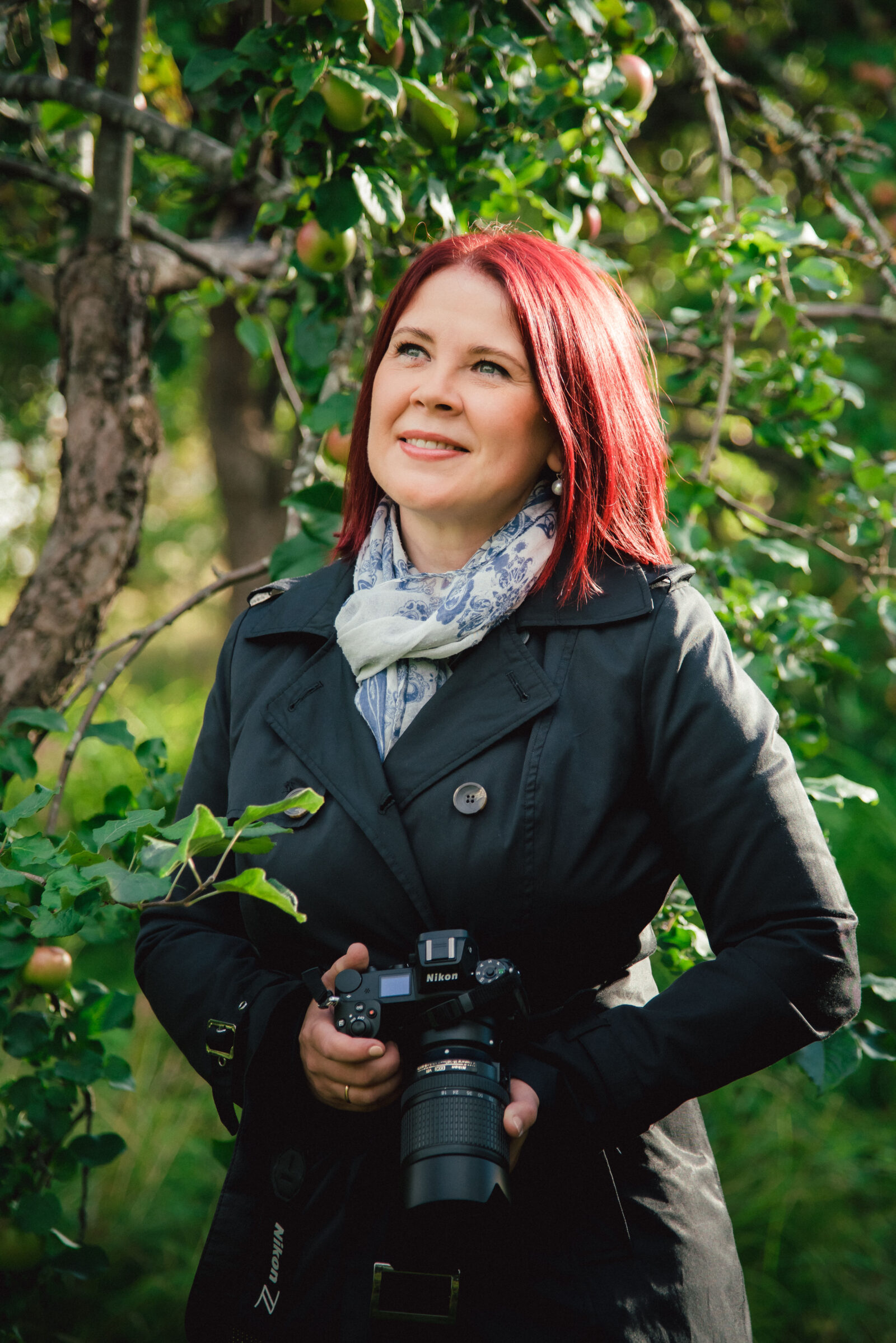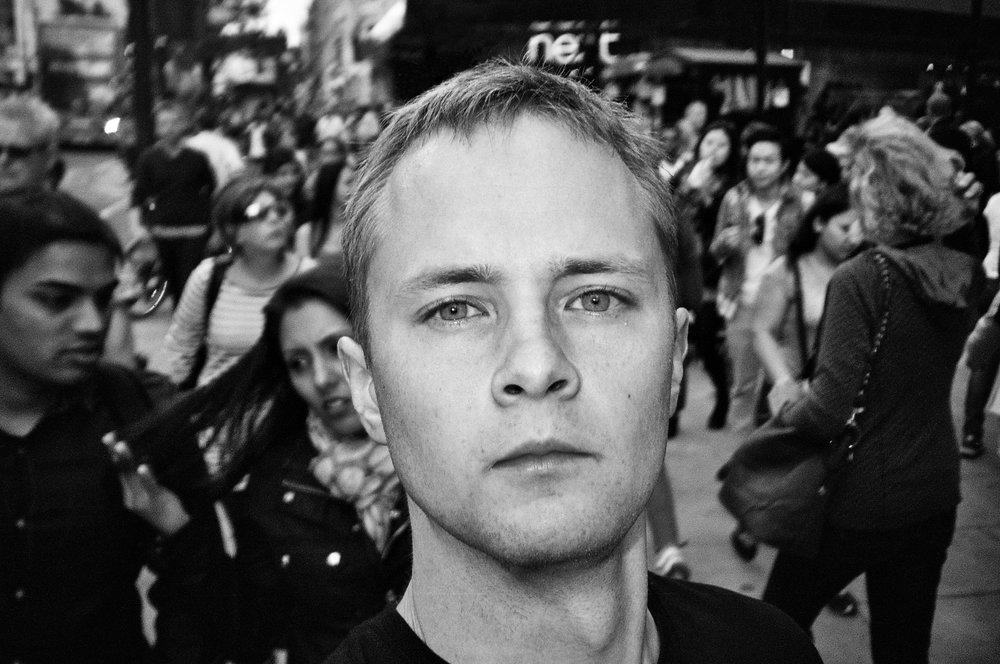
I first got into photography in 2006. Back then I was fascinated by the wide possibilities of digital post-processing. I liked “finishing” photos on the computer more; using a camera required a specific reason, an idea. I used my father’s digital compact camera, and a year later I bought a DSLR. This interest in conceptual photography lasted three years. — Indrek Pleesi
How did you discover street photography?
My memories are a bit hazy, since I’ve been into street photography for so long. I think at first I just thought it would be cool to own a compact film camera (à la Terry Richardson and his Yashica T4), and I liked the pleasing quality that comes with an analogue camera. Only after that did street photography become the outlet, and it felt like an interesting challenge. One of the first street photographers whose work I came across may have been Markus Hartel.
Where do you find inspiration for shooting?
It’s good that as a photographer you don’t have to invent anything directly yourself—the pressure of a blank canvas isn’t there. What matters more is the mindset you bring to what you do.
The quote “I will drink life to the lees” from Alfred Tennyson’s poem “Ulysses” — “I will drink life to the dregs” — could work as a universal guiding principle for street photography and for life in general. It means fully experiencing everything firsthand, both the good and the bad.
Do you have a favourite photographer or photo that has influenced you the most?
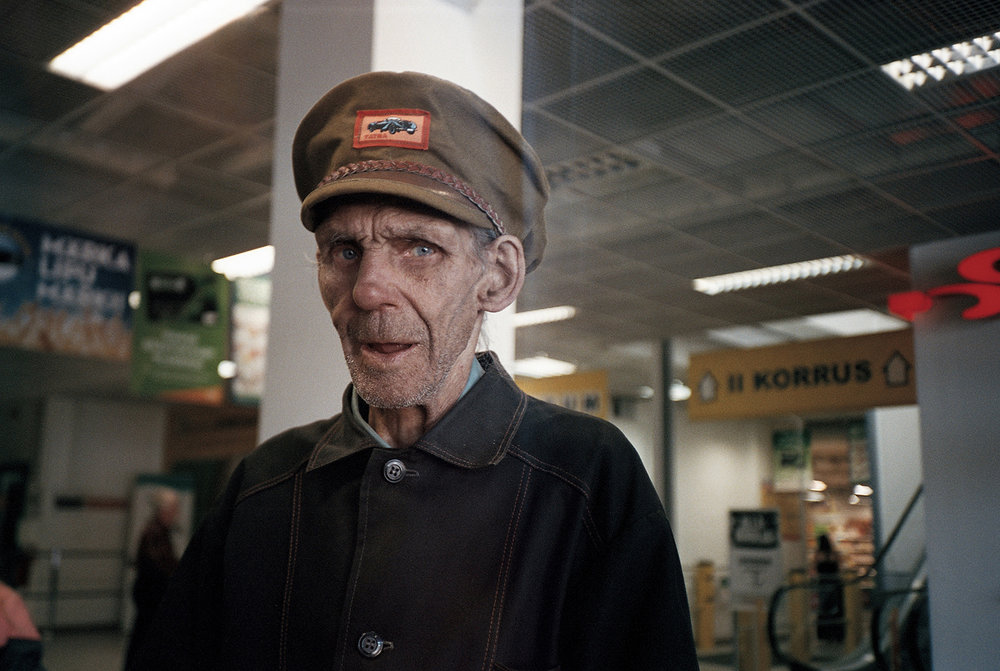
The biggest influence has been Daniel Arnold. Among older photographers, I like Mark Steinmetz and Jeff Mermelstein.
What are you looking for or hoping to find when you go out with your camera?
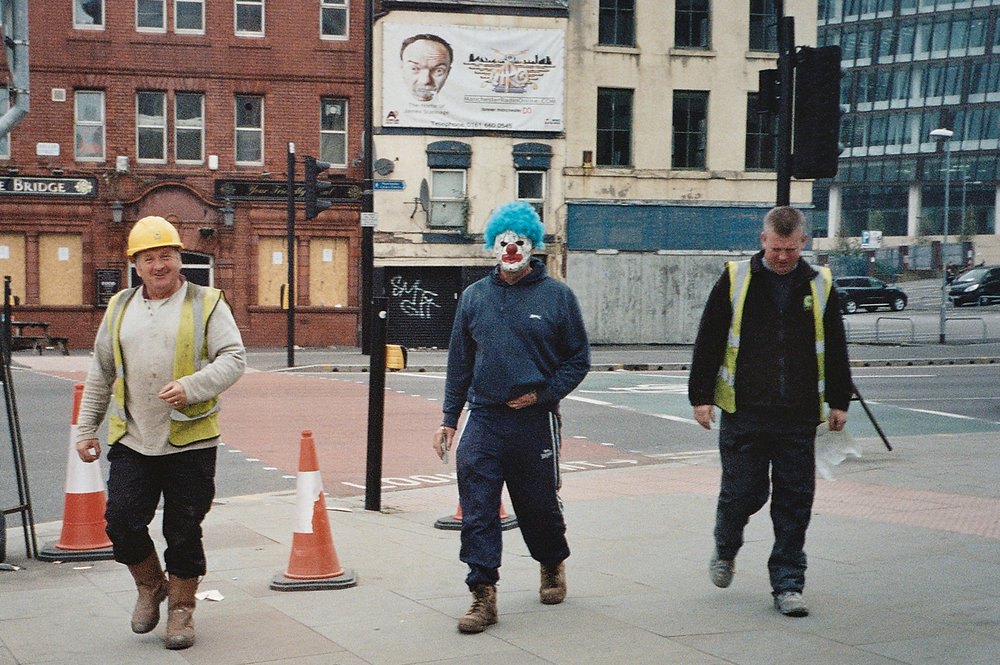
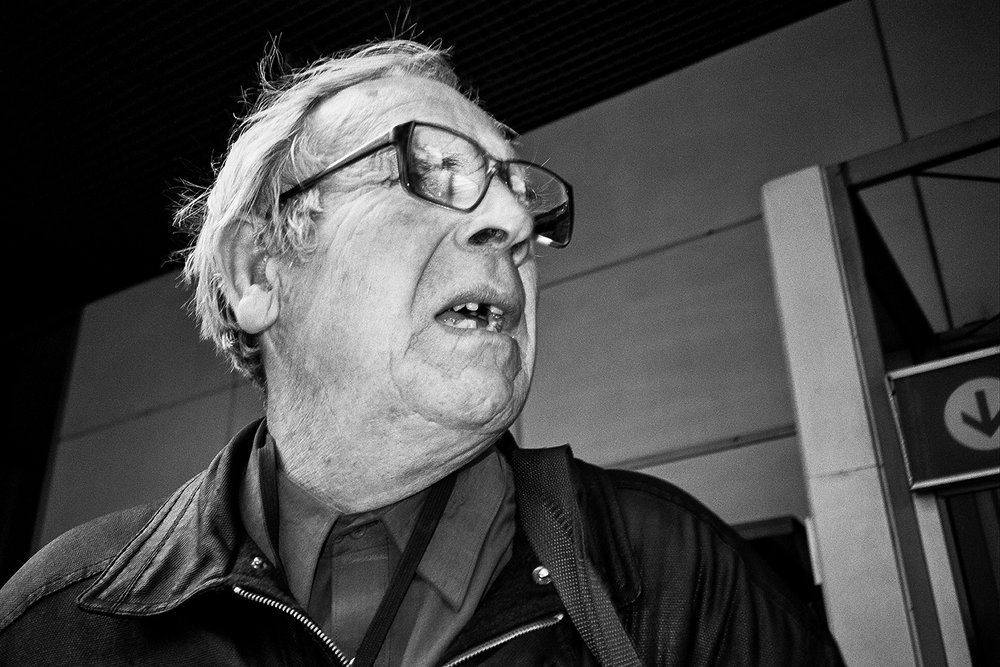
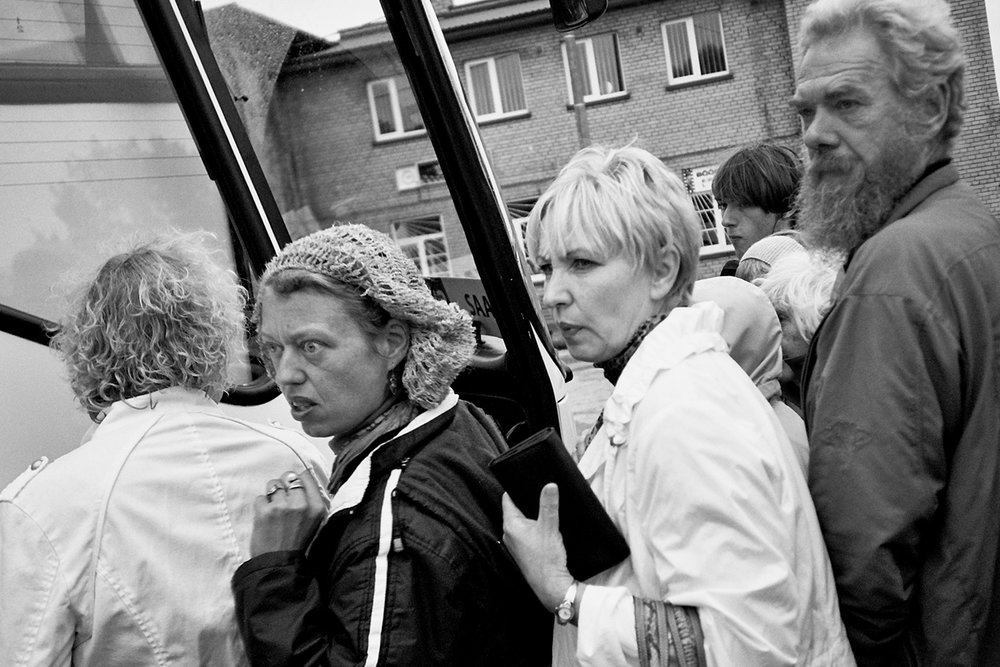
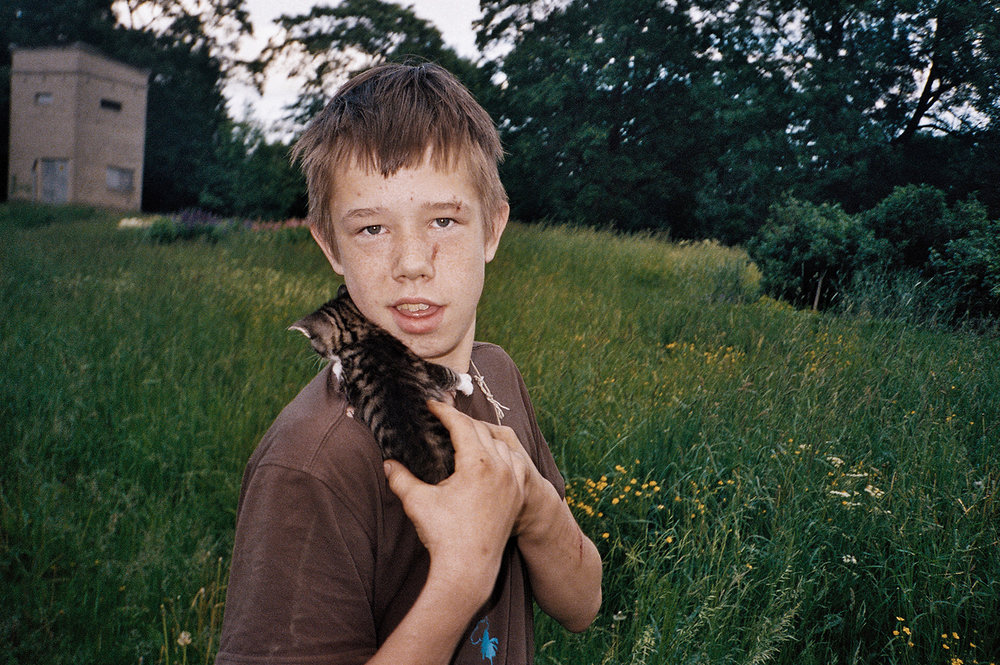
Since I carry a camera with me all the time, sometimes it feels like the photos find me rather than me looking for them. You just have to make yourself available to the world. I hope to find spontaneous moments and authentic characters that speak to me (grotesque, nihilism).
What kind of technique do you use when shooting on the street?
A Yashica T3 Super and mostly Portra 400 negative film. The nature of analogue film—with its minimal need for post-processing—and sticking to one consistent setup have also helped shape a personal style.

Do you have any good tips or advice on how to become a better street photographer?
Don’t overthink it. Try to come across as trustworthy: be confident, but also kind. Feel good about what you’re doing.
How and where do you present your street photography work?
https://dustystrawberries.tumblr.com
This is a safe link—you can click it without worry.
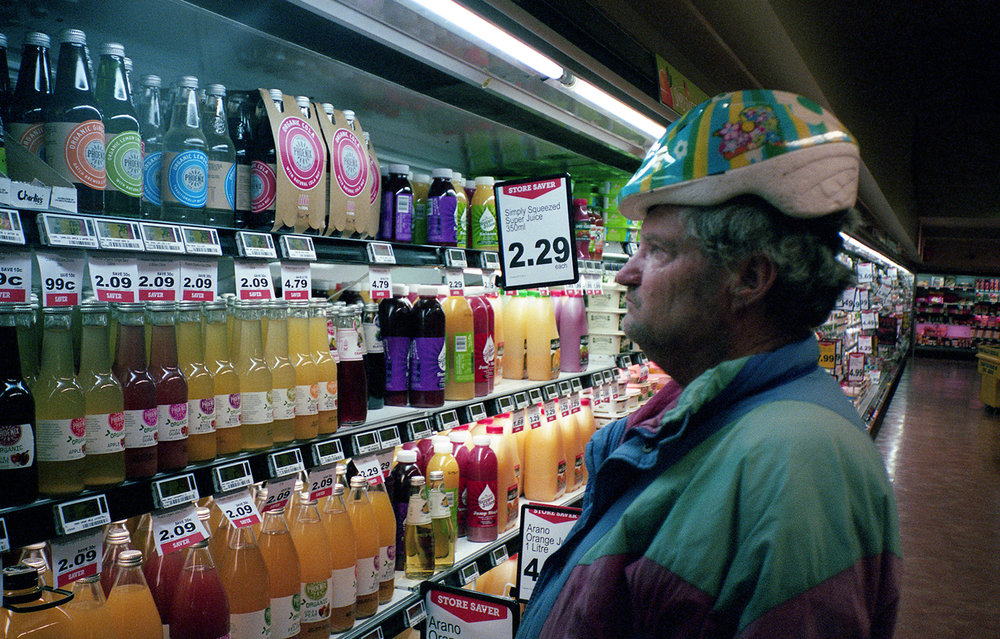
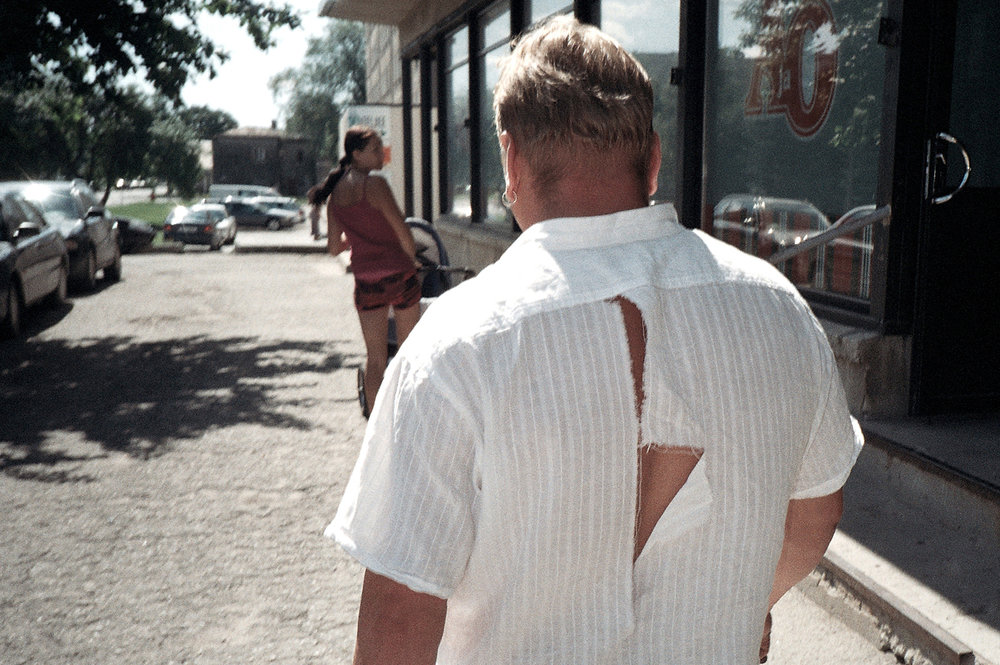
Please choose one of your street photos and tell the story behind it.
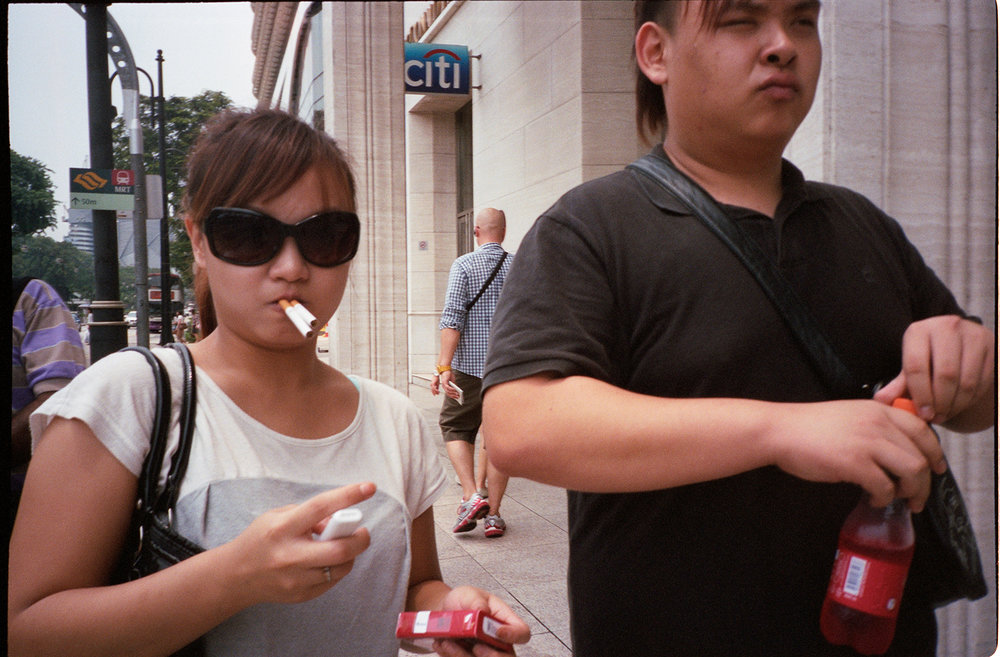
Photographed in Singapore, 2012. This is an example of how sometimes the work can be wiser than the creator. What prompted me to raise the camera was the sight of a girl lighting two cigarettes at once. She’s probably preparing the other one for a friend. If we look deeper, we see more coincidences—elements that mirror each other: the position of the hands, the red packaging, and in the background a man with two left hands (which is actually an optical illusion).