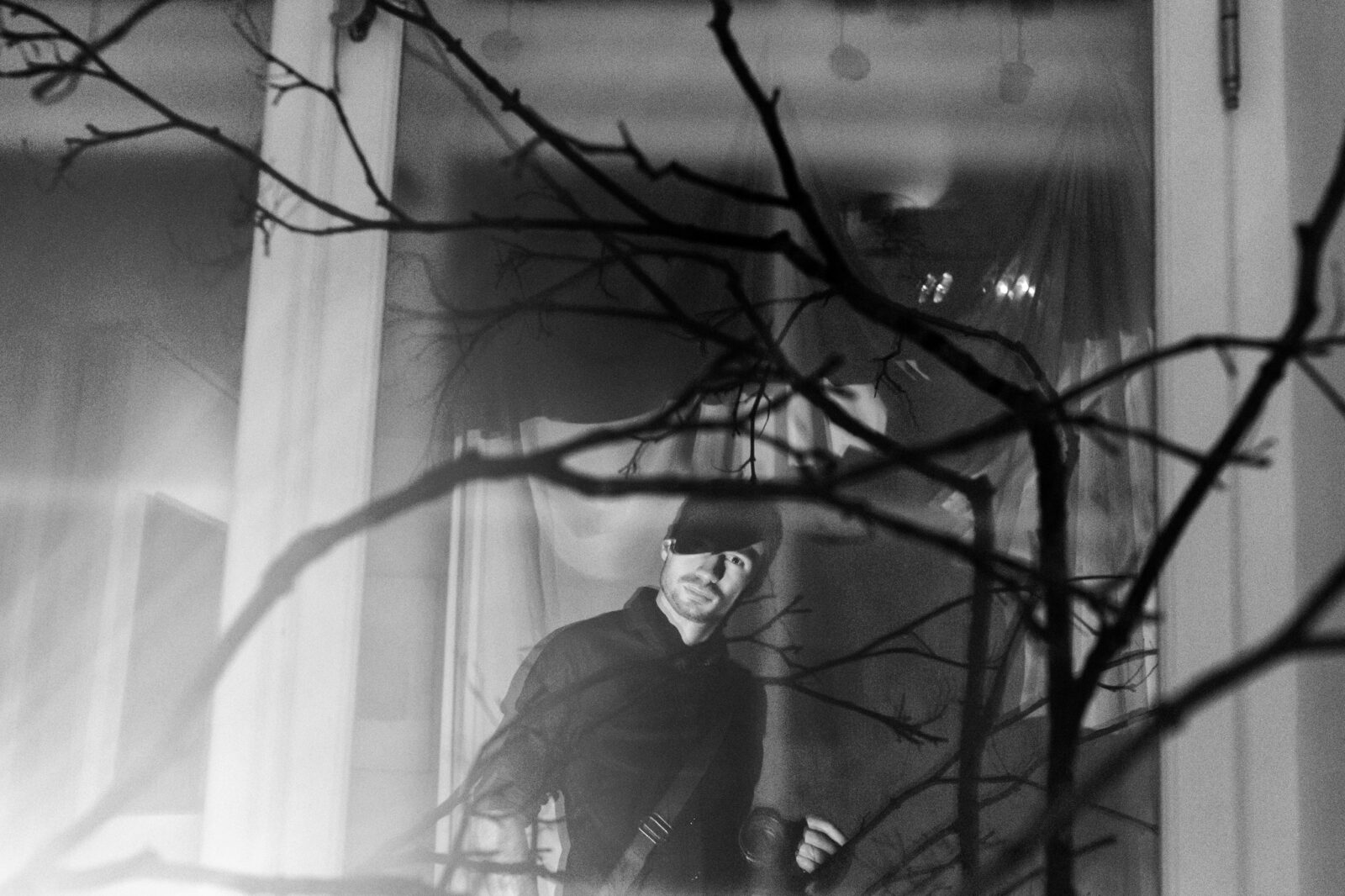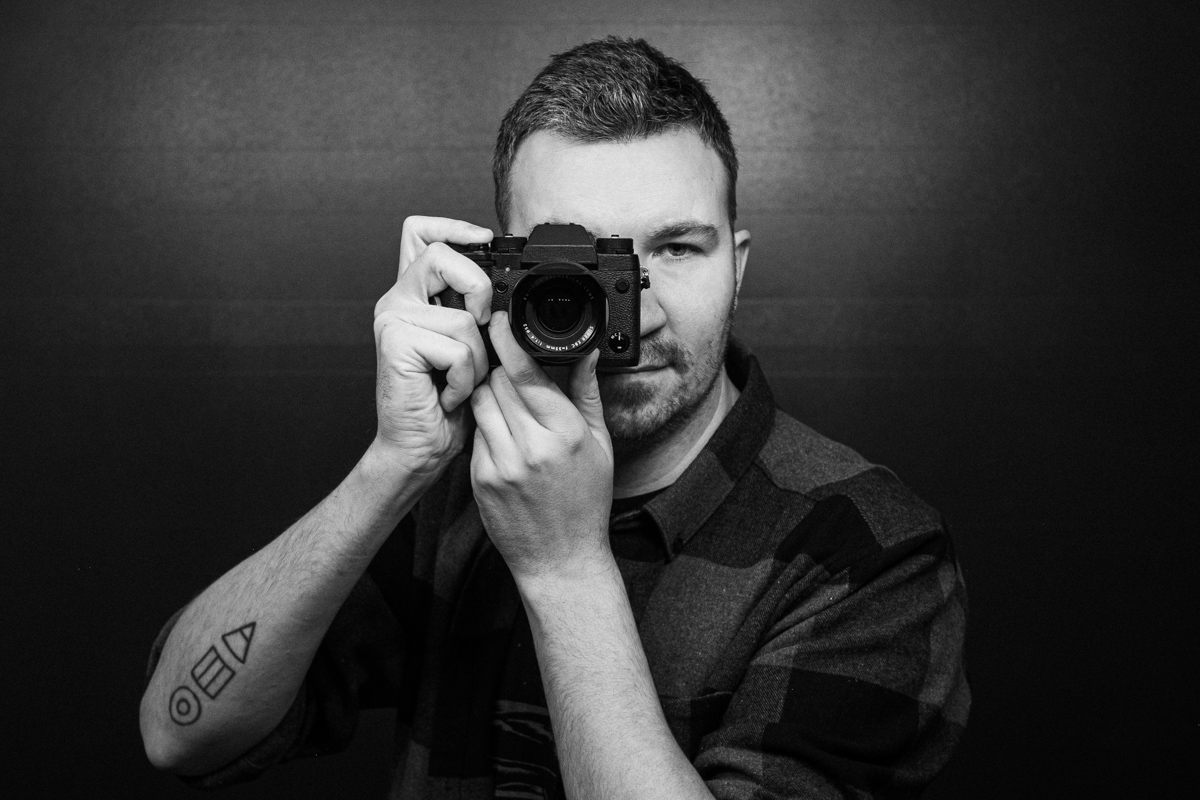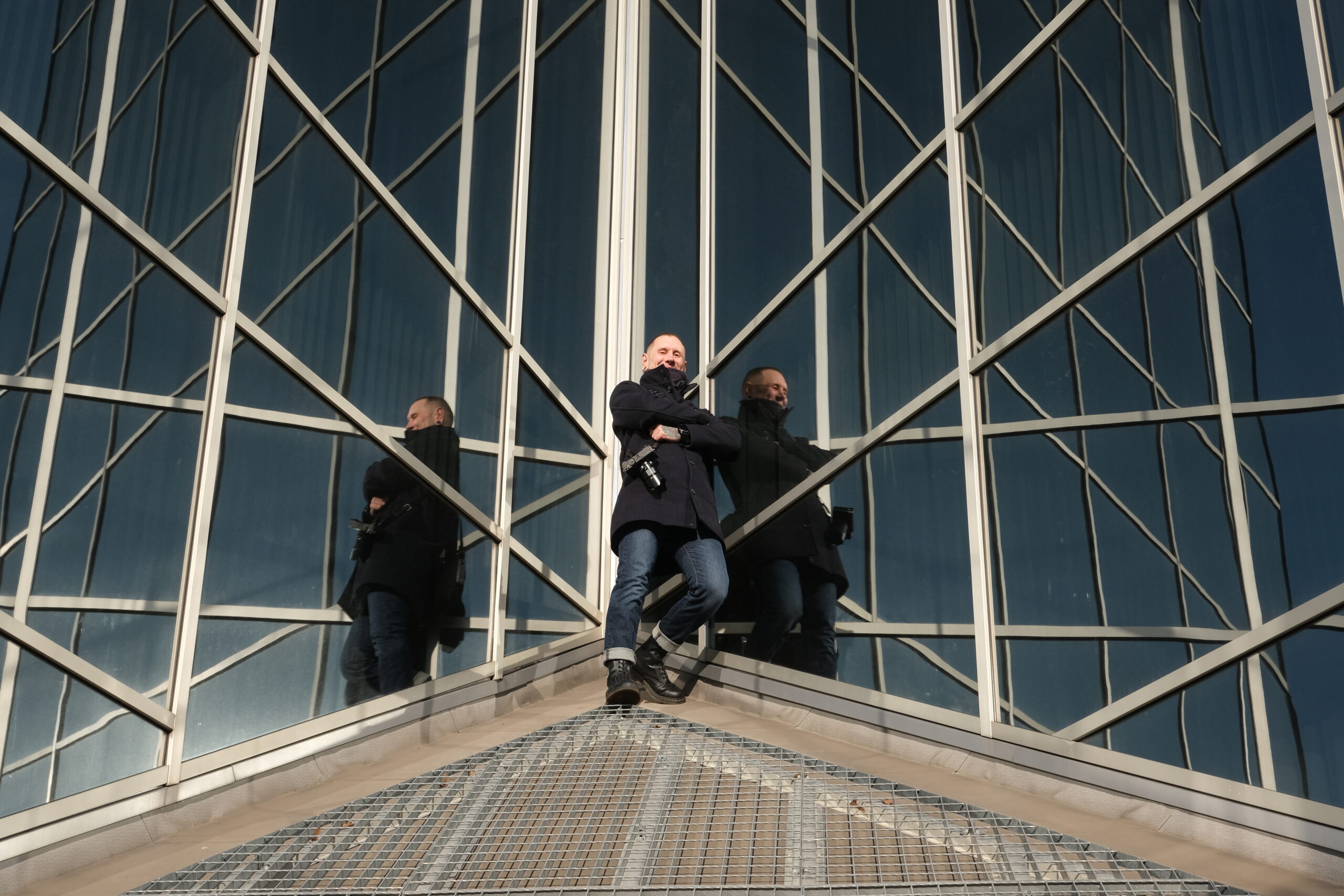
Jaan Orbiidilt stands out from other photographers with his unique style. He has found his style by capturing interesting individuals he encounters on the street.
We spoke with Jaan about the beginning of his photography journey and ended up discussing his legendary portraits. He also explained how he processes his photos and how he once accidentally hit someone with his lens.
How did you get into street photography?
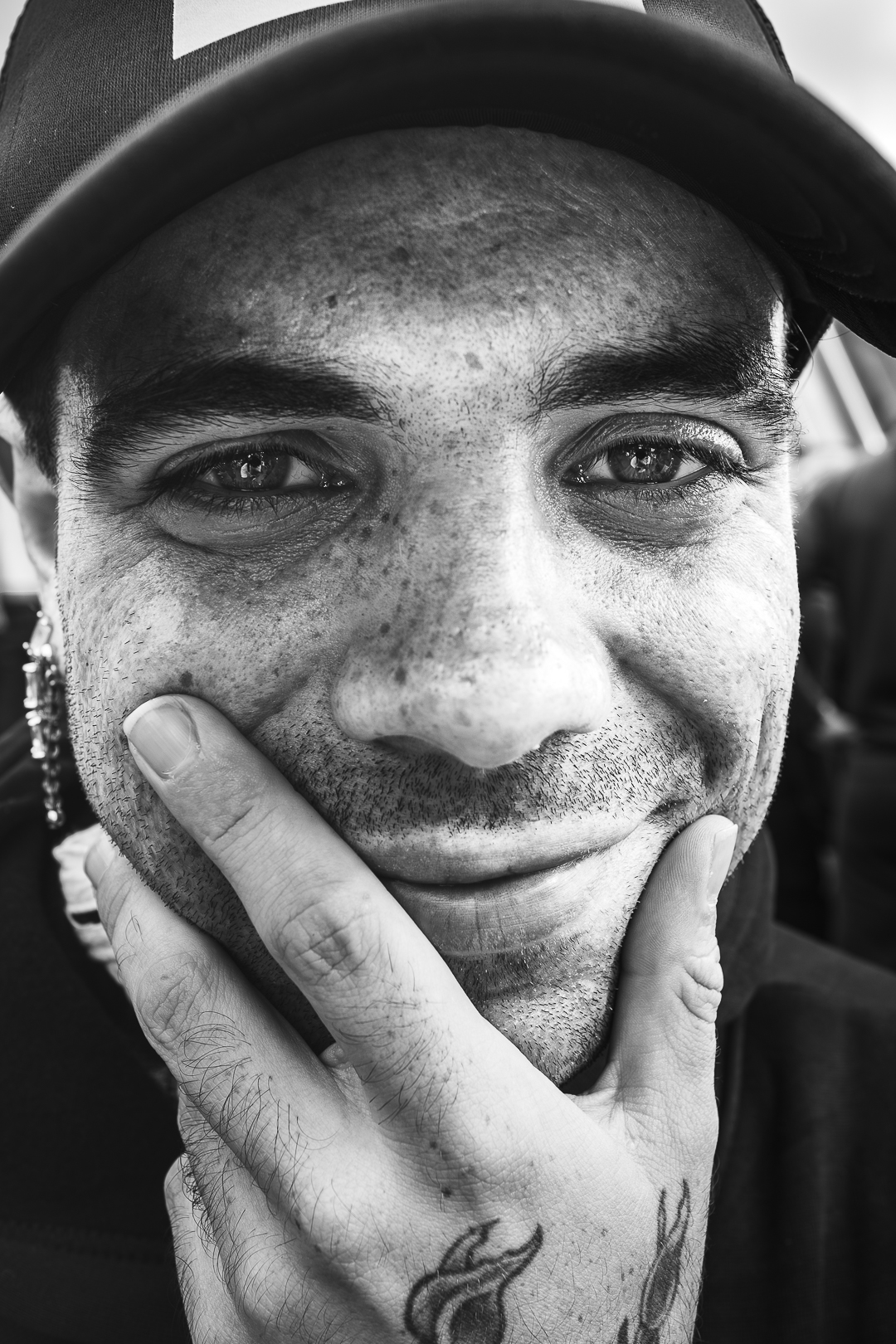
Street photography started to interest me about 5–6 years ago. What fascinated me was capturing strange situations, like someone shouting into the camera, looking weird, etc. You could say it’s the emotion in the picture. Especially from the wide-angle perspective, it feels like you’re in the situation or looking someone in the face, although recently, I don’t know why, but I’ve been using slightly narrower lenses.
What does street photography mean to you?
For me, street photography is about emotion, as I mentioned earlier. That’s number one for me – it can be good, bad, a harsh look, or a sad look. That’s also one of the reasons my photos are black and white. For some reason, I feel that color distracts from the message.
How did you develop your style?
For some reason, I’ve always liked wide angles. It’s the visual aspect. I travel quite often, so I decided to take a smaller camera and a wide-angle lens.
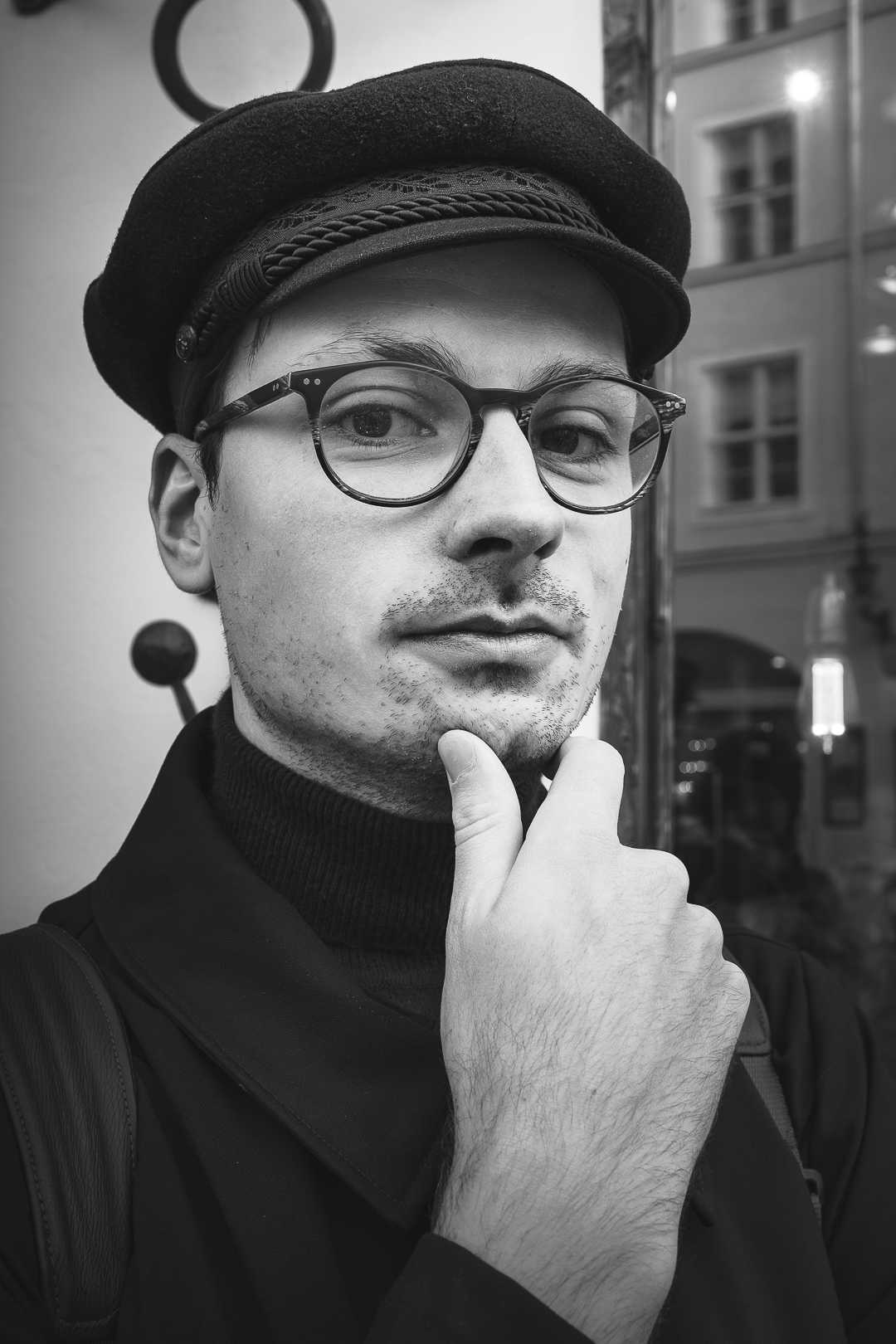
A few years ago in Turkey, a man on the street asked me to take his photo. The portrait turned out very interesting, and something kept bothering me. There was no turning back – I had to start taking portraits with a wide angle.
How often do you go out to shoot on the street? Do you plan ahead or are you a spontaneous walker?
I try to go out about once a week. I don’t plan my outings much; I just go depending on how I feel. Sometimes it’s a longer walk, sometimes shorter.
How do you approach portraits – do you change the angle or shoot them as you first see them?
If I see someone who interests me, I might even jump over a bush, but even if sometimes I have to literally run through mud, I don’t always get the shot. Sometimes people say they don’t want to be photographed.
Generally, if a person sees someone like me running across the street and asking to take a picture, it makes them laugh, and they say: “Okay, go ahead and take the picture.” For portraits, it really depends on the person’s behavior. If they are open to it, we talk, and I guide them. So, I’d say it’s about 50–50, it depends on the situation.
What has been the most interesting encounter so far?
I can’t really say what the most interesting encounter has been, since there have been so many. I’ve met people from various fields, talked with them, and captured them.
Maybe the weirdest experience was when I had just bought a wide-angle lens. It shoots really close and distorts the world. To cut a long story short, I got too close to a man at Balti jaam and hit him in the nose with the lens – my fault. In this case, we both laughed about it.
STREET PORTRAITS TAKEN BY JAAN
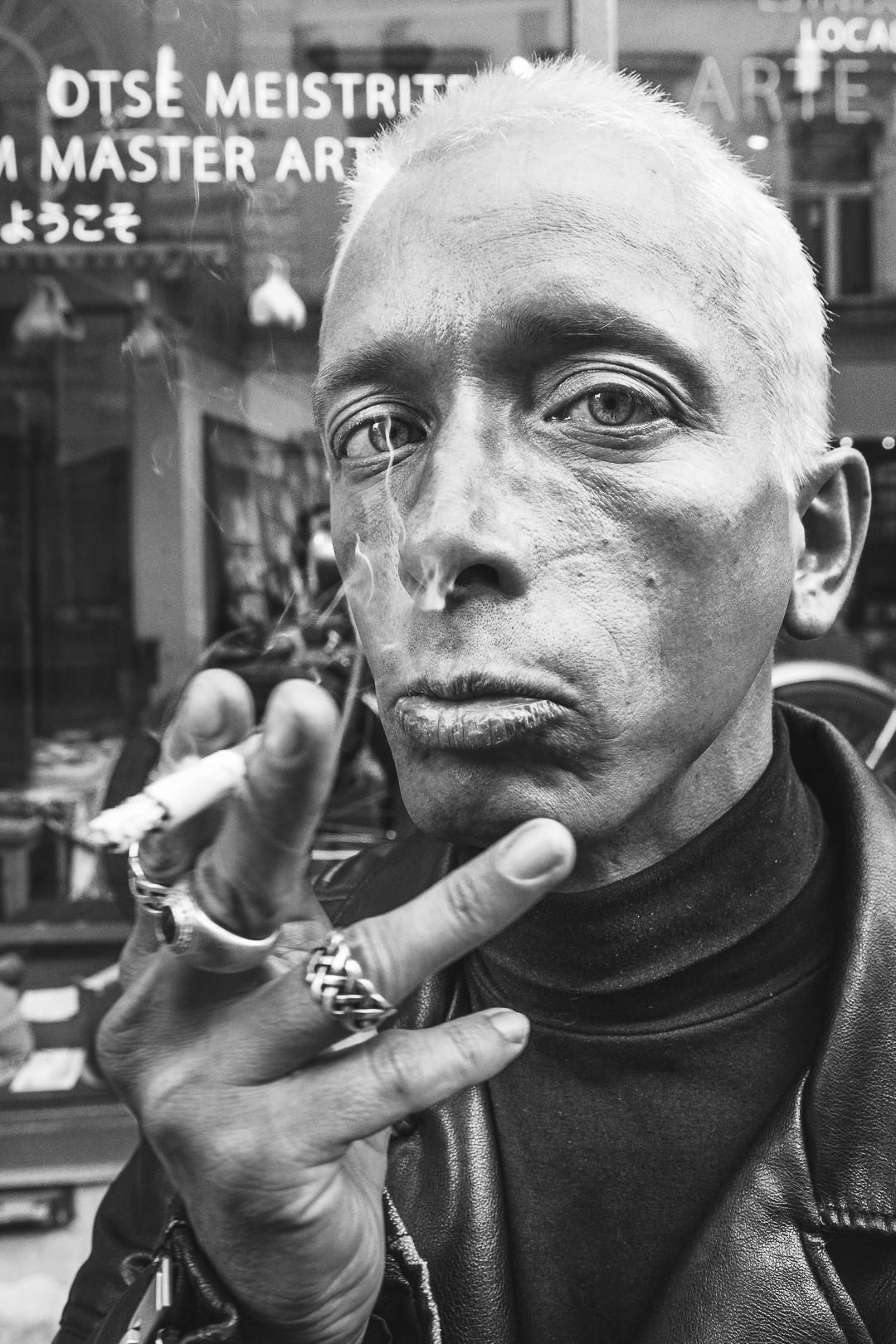
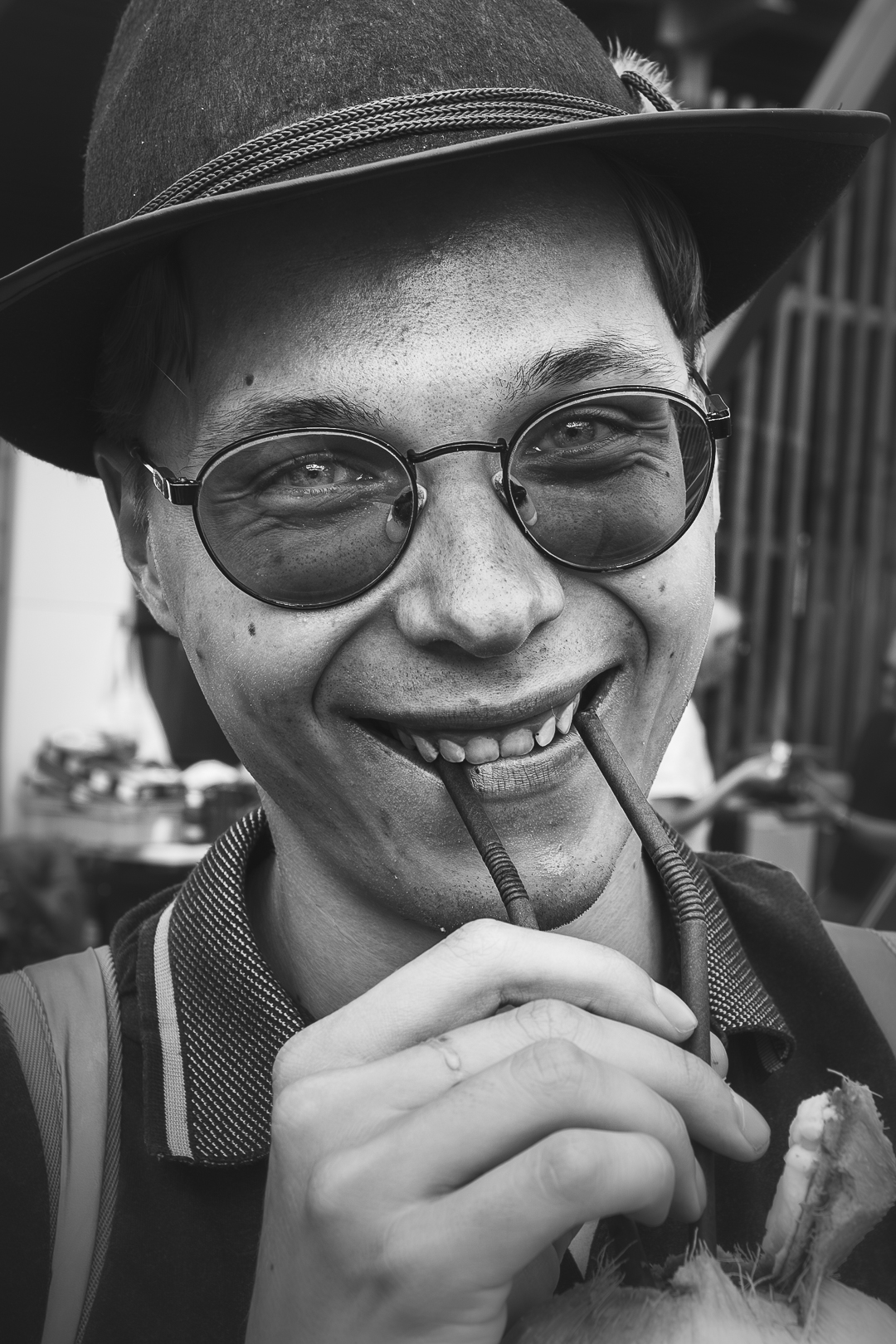
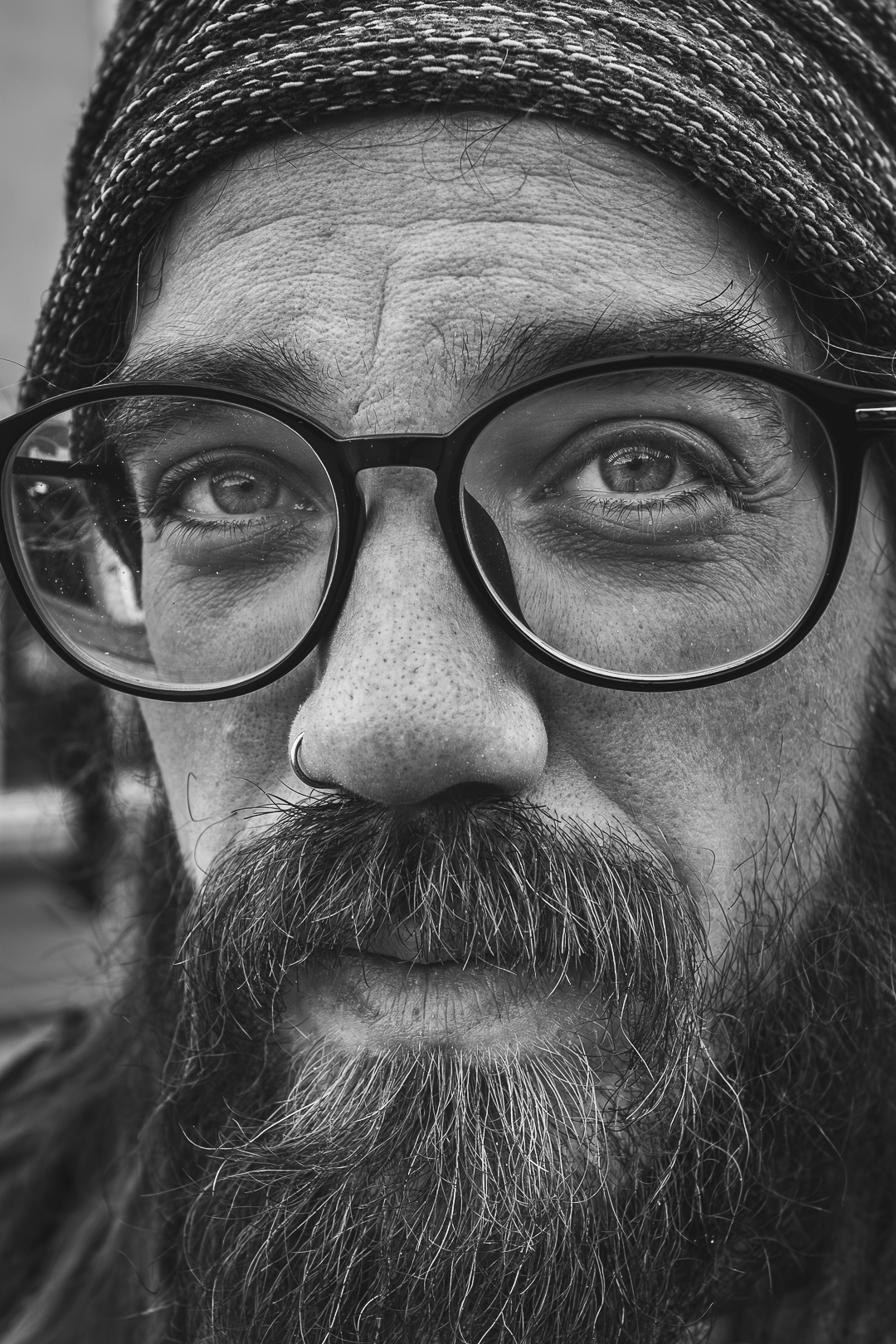
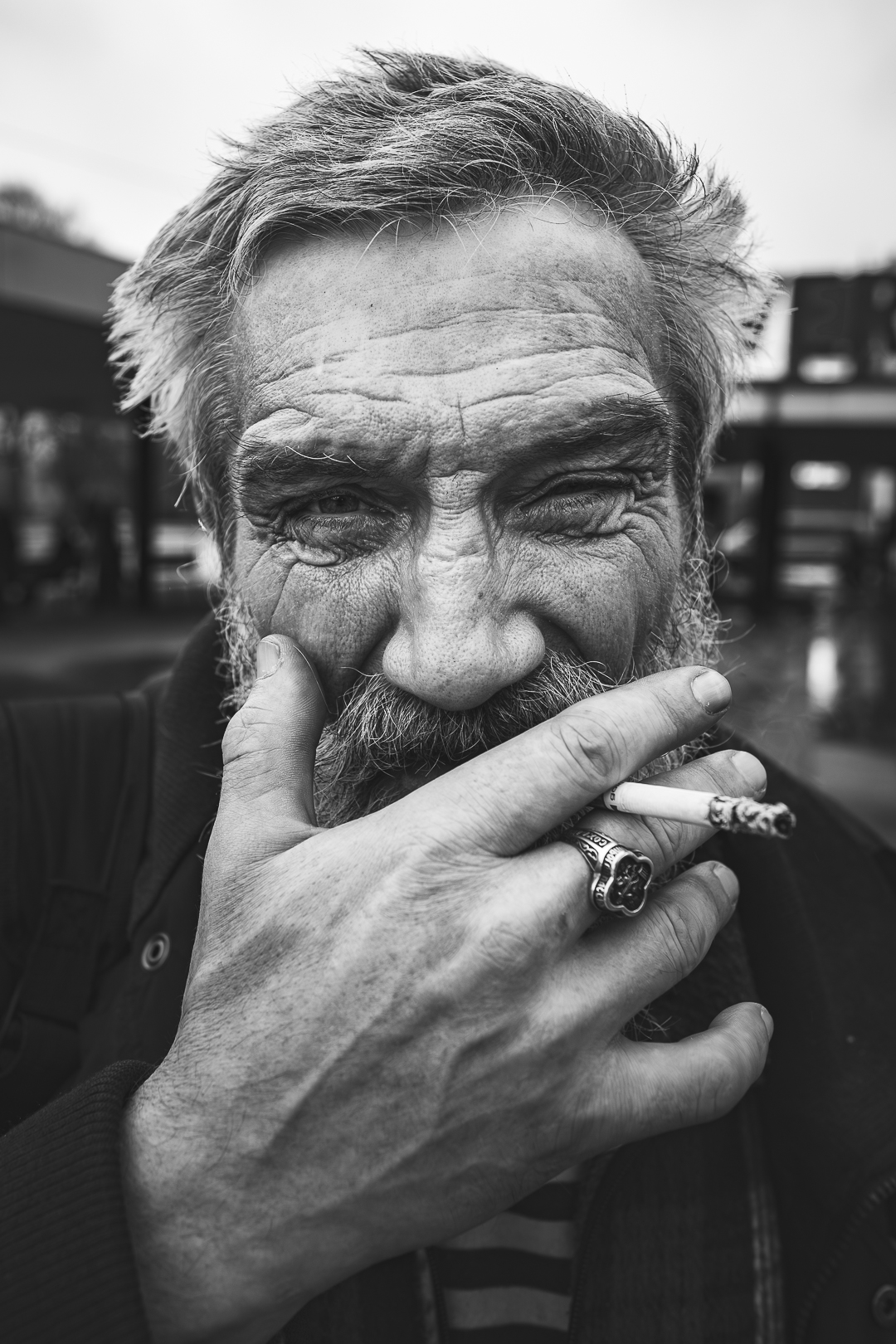
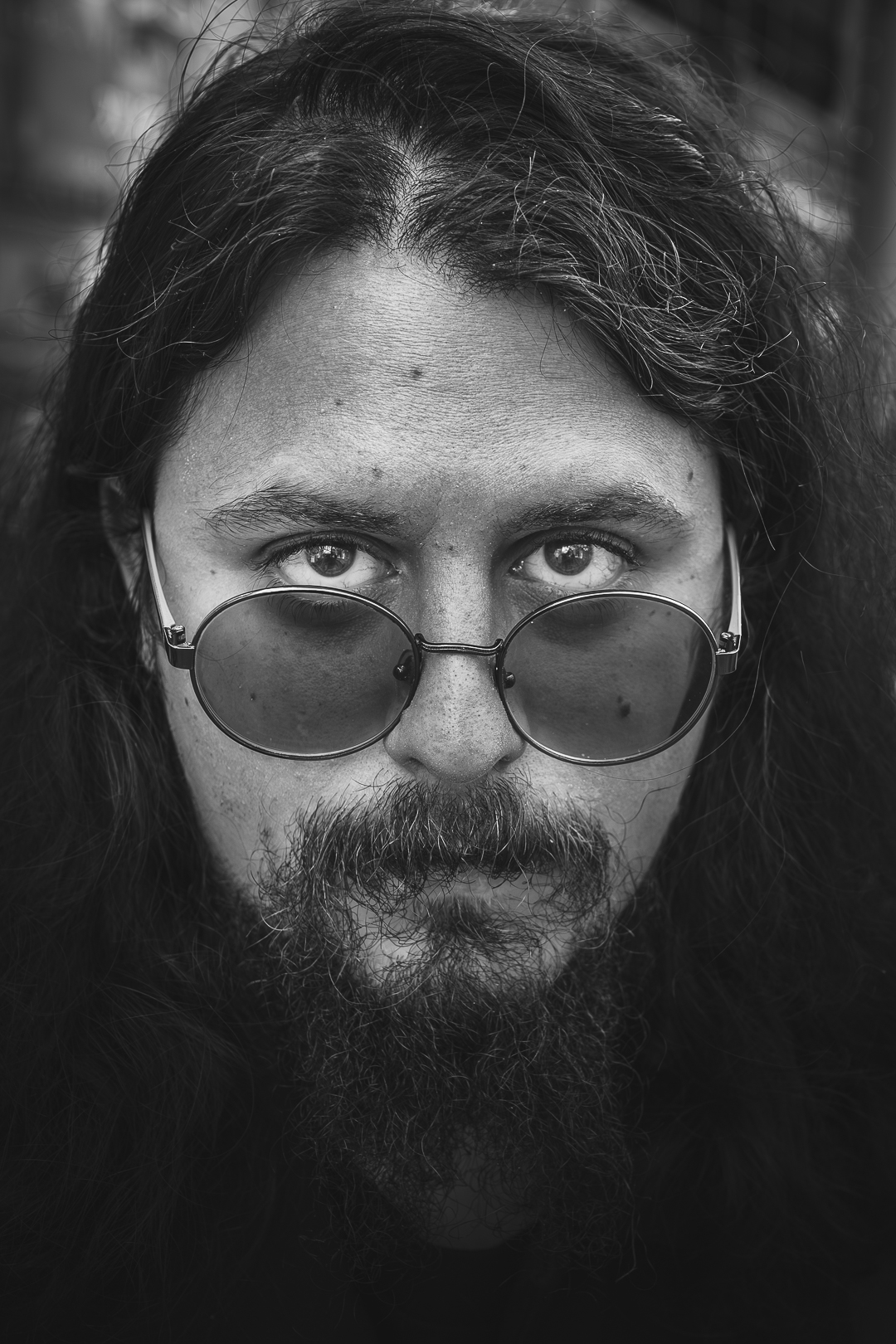
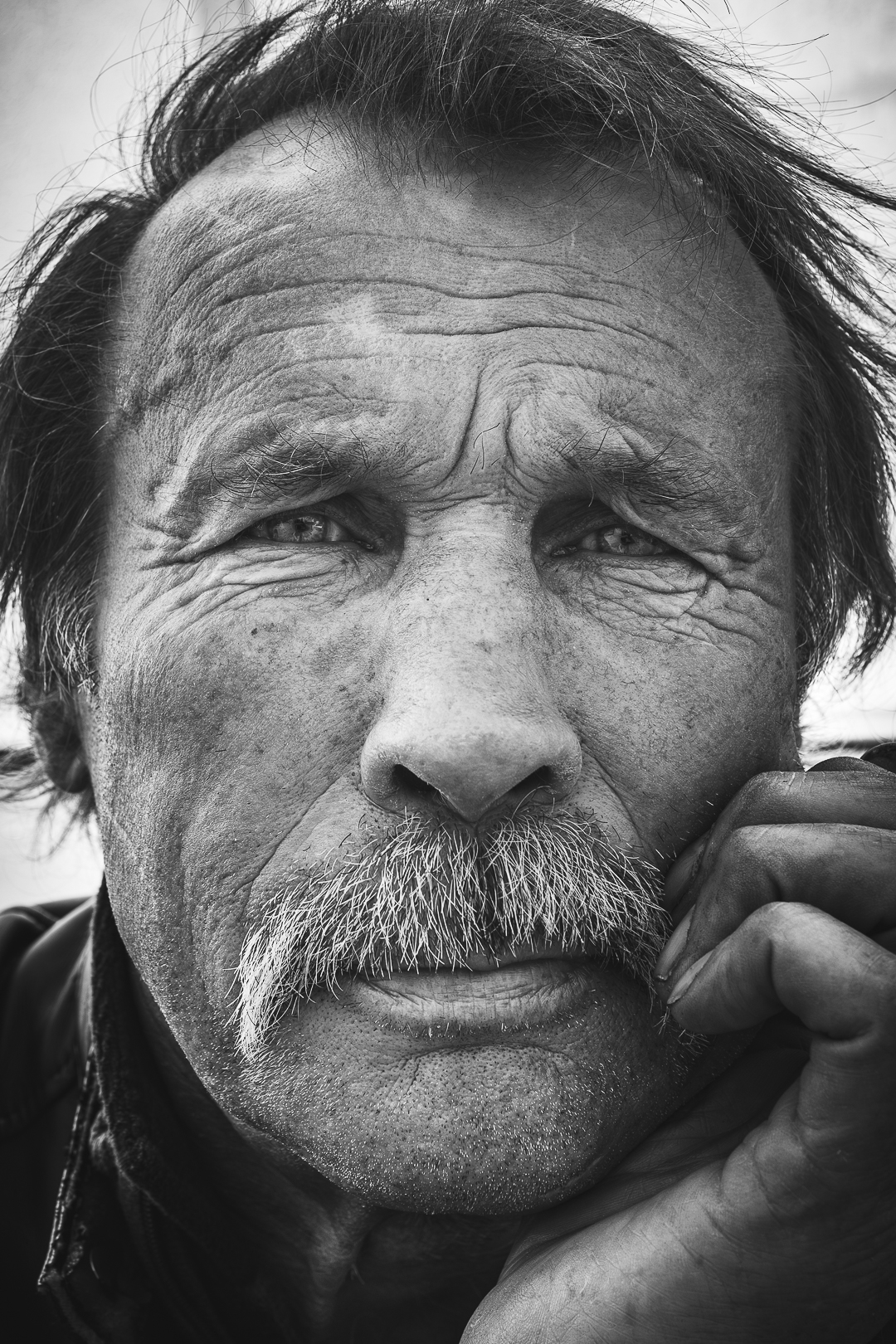
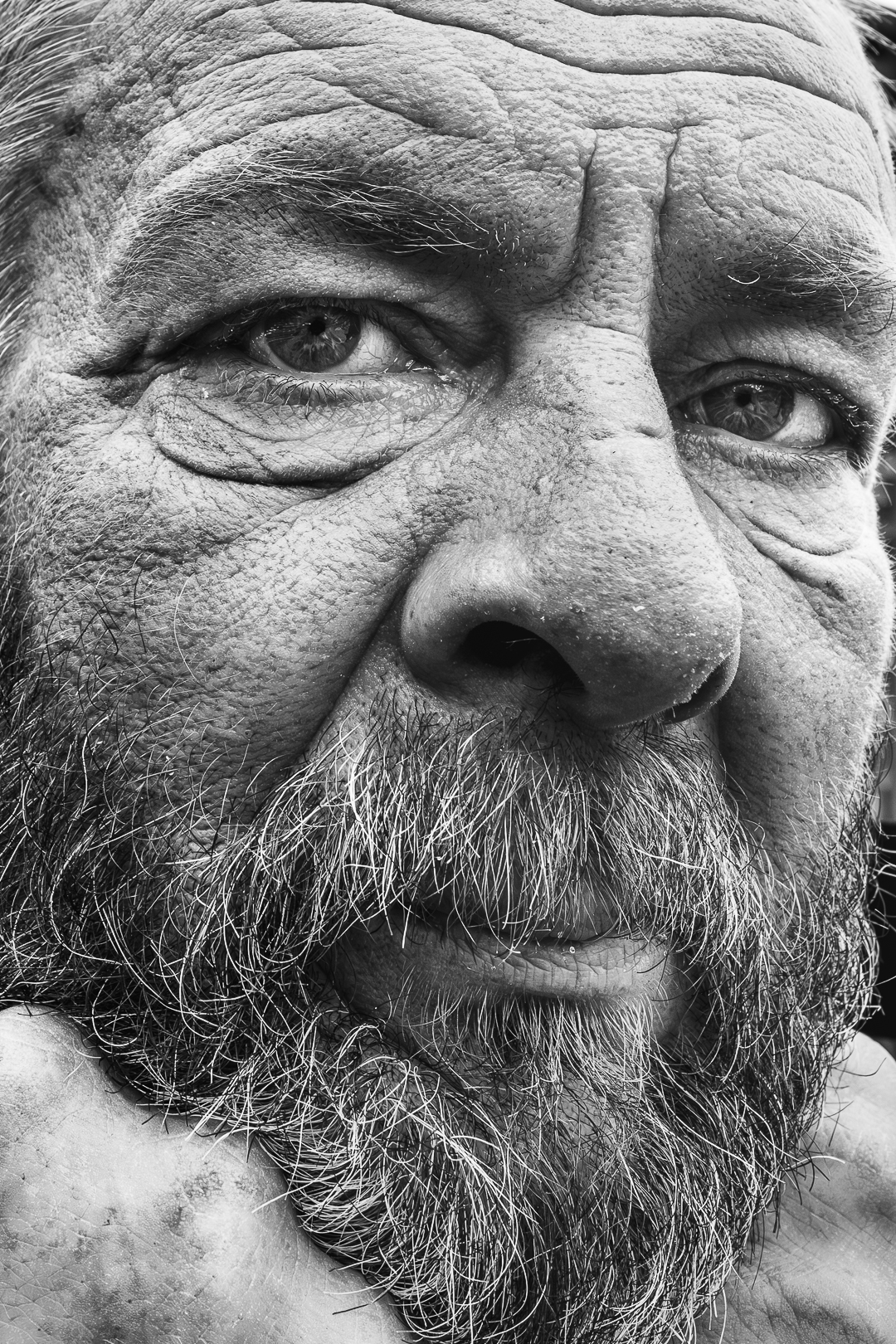
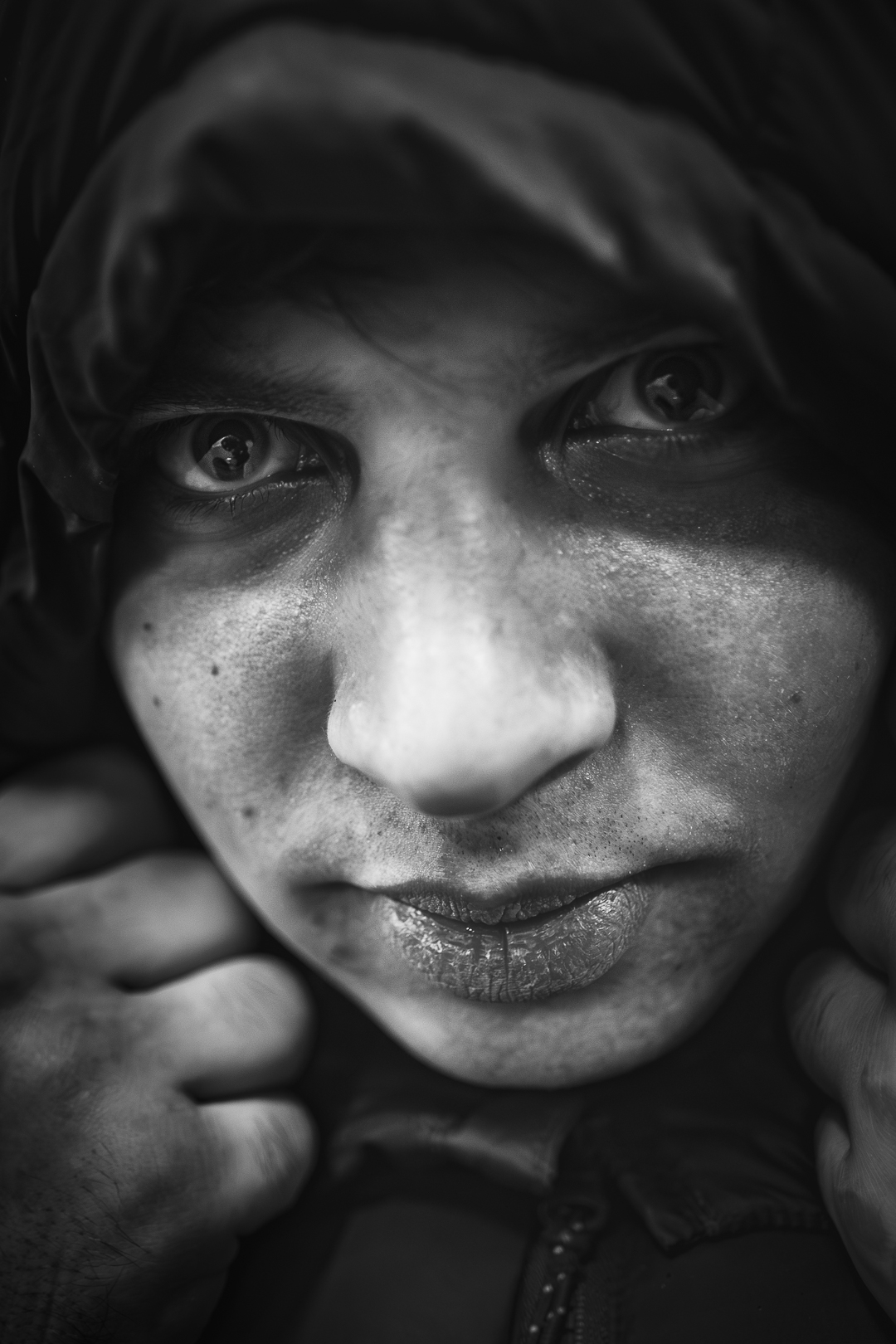
whose work inspires you?
Bruce Gilden has always been number one for me.
How much time do you invest in post-processing?
Regarding post-processing, it’s a bit of a mixed situation. Recently, I do it minimally or not at all. Since my photos are black and white, a large part of the photo is the lighting, and when that’s set, post-processing is minimal. Of course, there are exceptions and nuances, like processing RAW files and adjusting shadows and light in JPGs.
Another nuance is that I shoot with two different cameras – one older, one newer. With the older one, I shoot in JPG format, which I don’t process much, but with the newer one, I shoot in RAW, which allows for more extensive editing. I can quickly edit JPGs on my phone, but I process RAW files on my computer.
What do you think are the biggest challenges in street photography, and how do you overcome them?
The biggest challenge is always talking to people. I’ve been doing it for several years now, and people are all different. Every time I see someone for the first time, it’s a bit unpredictable, but generally, it has gotten easier over time.
Unfortunately, I can’t say if you ever truly get over it. Some days are easier, some days aren’t.
Do you have any tips for beginners on how to take a good street photo?
From my experience, street photography might feel very weird at first. People generally photograph the city every day, like tourists. I don’t think tourists think about these things too much.
For myself, when I went out with a specific goal in mind, I’d often get a mental block. I started trying to imagine myself as a tourist, just photographing the city happening around me, and that helped a little. By the way, now I sometimes speak to people in English, and they think I’m just a tourist.
It also helps to use a slightly narrower lens, like an 85mm, and then move on to wider angles when you feel comfortable. Many also use 50mm lenses, and I use that one too at the moment.
In general, street photography is about stepping out of your comfort zone. I can’t really say how to take a good street photo or portrait – it depends a lot on the person and the situation. For example, I have a lot of photos from the past. I wouldn’t say they’re bad, but I can see things I would have done differently today. Maybe that’s one tip: shoot and then analyze your pictures later.
Of course, I had my fair share of sleepless nights wondering why my photos weren’t as good as others, but today, that’s mostly passed. Over the time, good photos will come, just remember what you did and try again next time.
Quoting Paulie B, finish the sentence: “I take photos, because…”
I take photos, because the world is full of very interesting and cool people. I can’t capture all of them, but I have to strive for it.