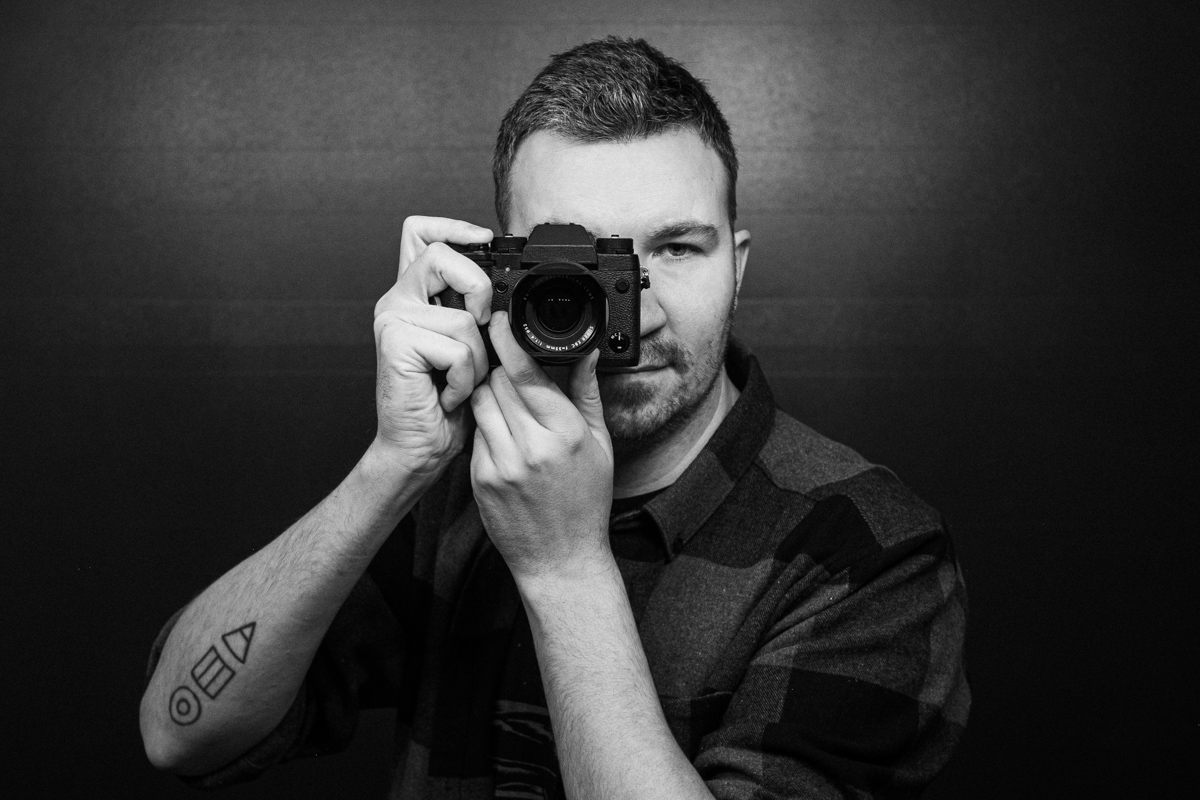
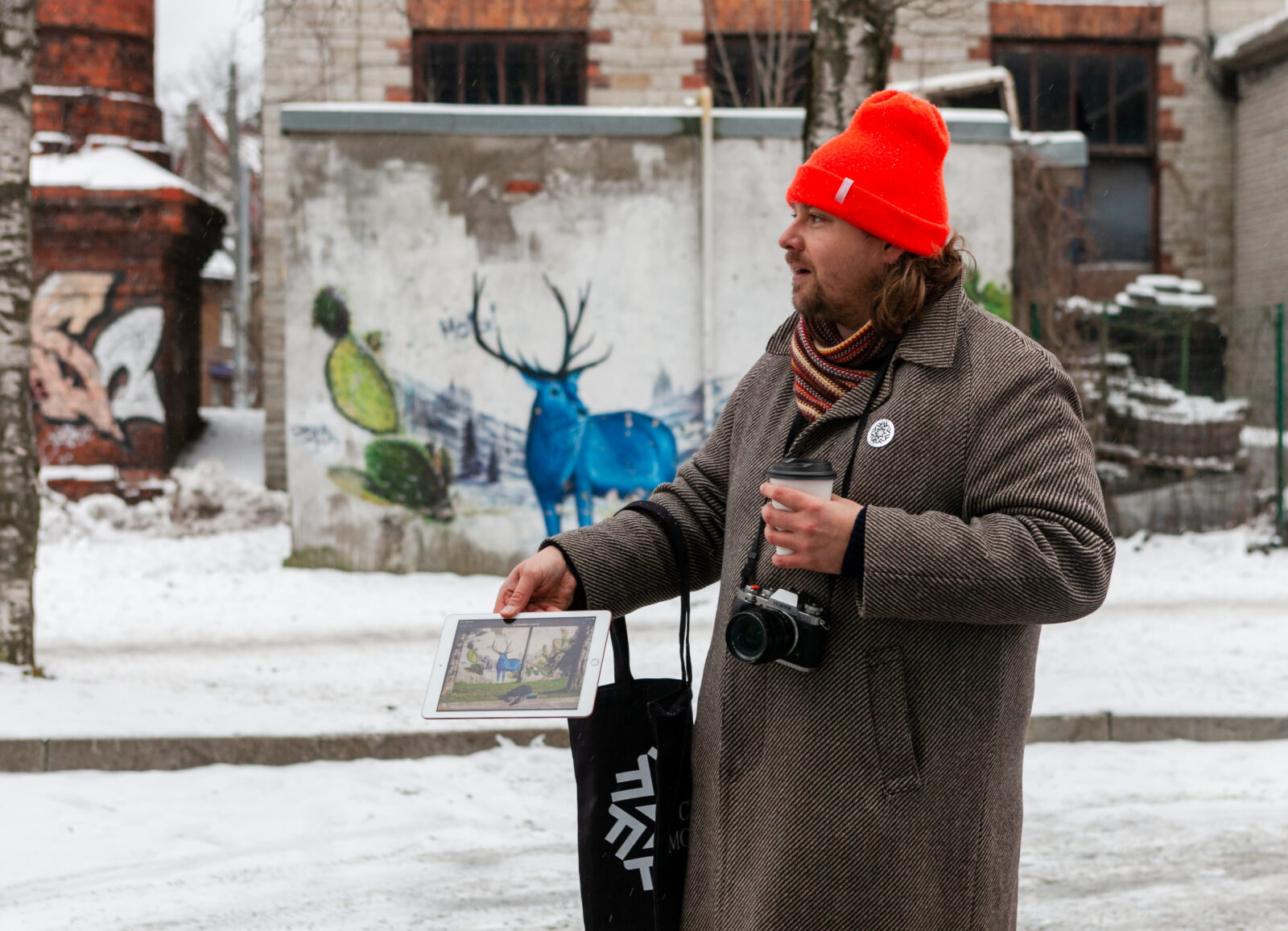
For street photographer Rait Tuulas, photographing on the streets is like going to the theatre: each time a different performance is being played, there’s always a seat in the front row—but you never know exactly what you’ll see today.
That’s how he hunts for different scenes on the streets, preferring natural light and real environments. His biggest challenge is to see new angles in familiar places and moments—while also conquering new locations.
What Rait thinks about street photography in more detail can be read in the story below.

What motivates you the most in photography? How did you get into street photography? Why do you photograph on the street?
I’ve always liked observing people and trying to guess—based on their behaviour—who they are or where they come from. As a photographer, I prefer natural environments and natural light. Photographing people unposed in a natural setting lets them tell their own story in front of my camera, without me having to invent that story for them in a studio. Natural light is challenging on one hand, because you can’t control it much. On the other hand, it creates more opportunities to capture the atmosphere and mood of the place in the frame. That’s why streets are the best place for me to observe and capture people through my camera.

What does street photography mean to you? What are you looking for or hoping to find when you go out onto the street with a camera?
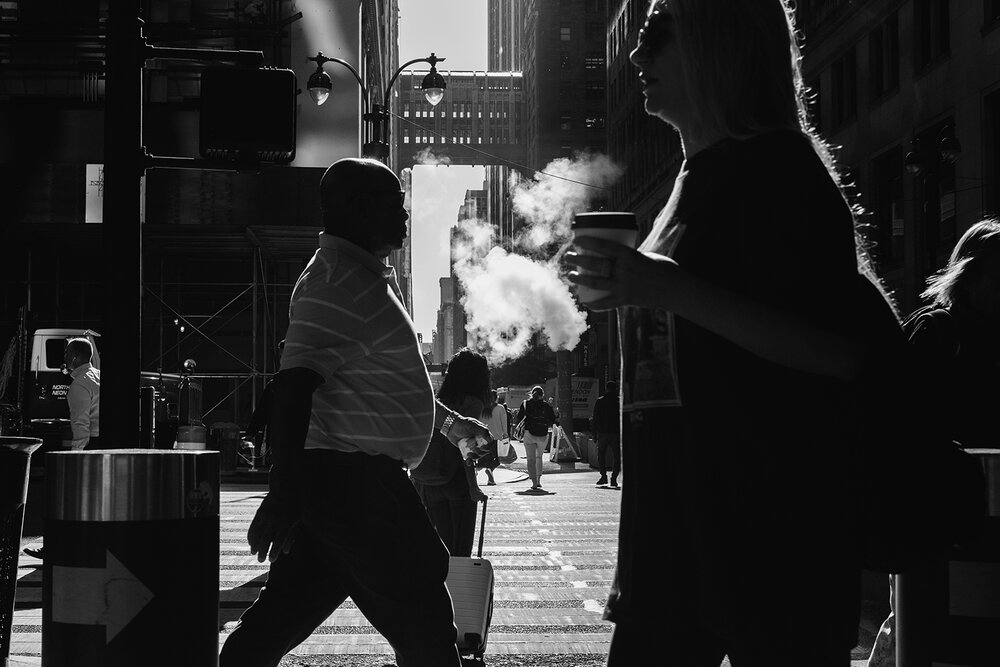
Street photography is like going to the theatre without knowing, when you leave home in the morning, what performance will be on that day. The only certainty is that something will be shown, and there’s always a seat available in the front row. While photojournalists usually already have a story and then look for photos to match it, the street photographer is looking for the story itself.
With a good photo, the viewer shouldn’t have to ask what the photographer meant or why they took it, because the photos start speaking on their own. That’s what I look for on the streets. Sometimes those stories involve people; sometimes an empty environment says more.

Do you have a favourite photographer—and if so, who?
Today, thanks to social media, it’s incredibly easy to reach the work of many different artists around the world. I don’t have one single favourite photographer. There are many who inspire me. If I had to name one, I’d mention Forrest Walker and his blog Shooter Files (http://shooterfiles.com/).

What gear do you usually use, and how much influence do you think it has on your photos?
I shoot with prime lenses because they’re sharp, light, and force me to move so I can be in the right place at the right time. The camera bodies I use range from digital mirrorless and DSLRs to medium-format film cameras.

What is one good piece of advice you would give to street photographers?
As a photographer, my biggest challenge is not to repeat myself and to keep developing—seeing new angles in familiar places and moments, while also conquering new locations. It’s important to be consistent, not too harsh on yourself, and to enjoy the process, not only the end result.

Could you tell the story of how you got one of your photos?
In 2015, while travelling around Georgia, I visited the small mining town of Chiatura in the heart of the country. It sits on one of the world’s largest manganese deposits. The town centre lies in a river valley with steep slopes. Because in the past miners spent a lot of time walking from the town up to the mines on the hillsides and back—reducing their productivity—metal “coffins” resembling lift cars were installed in 1954 to run from the river valley up the slopes.
Walking around Chiatura with my camera, I discovered that 60 years later the same lifts were still in use. These coffin-like cabins—sometimes with rusted-through floors letting light shine through—still take children to school and adults to work every day.