
Where and when did street photography begin as a distinct photographic genre? If anyone knows, I would be very grateful if you could enlighten me.
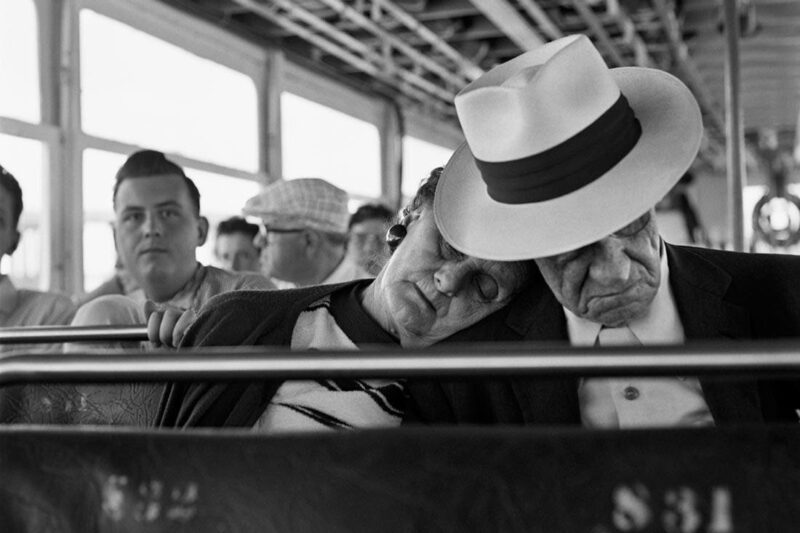
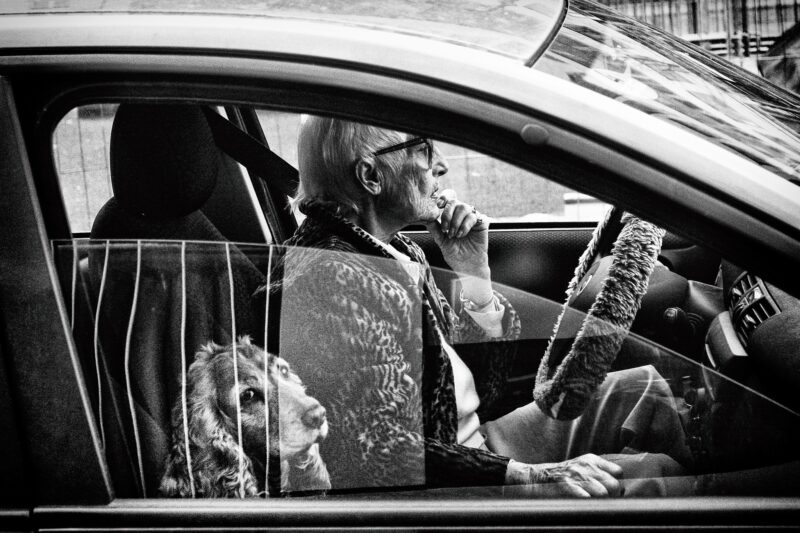
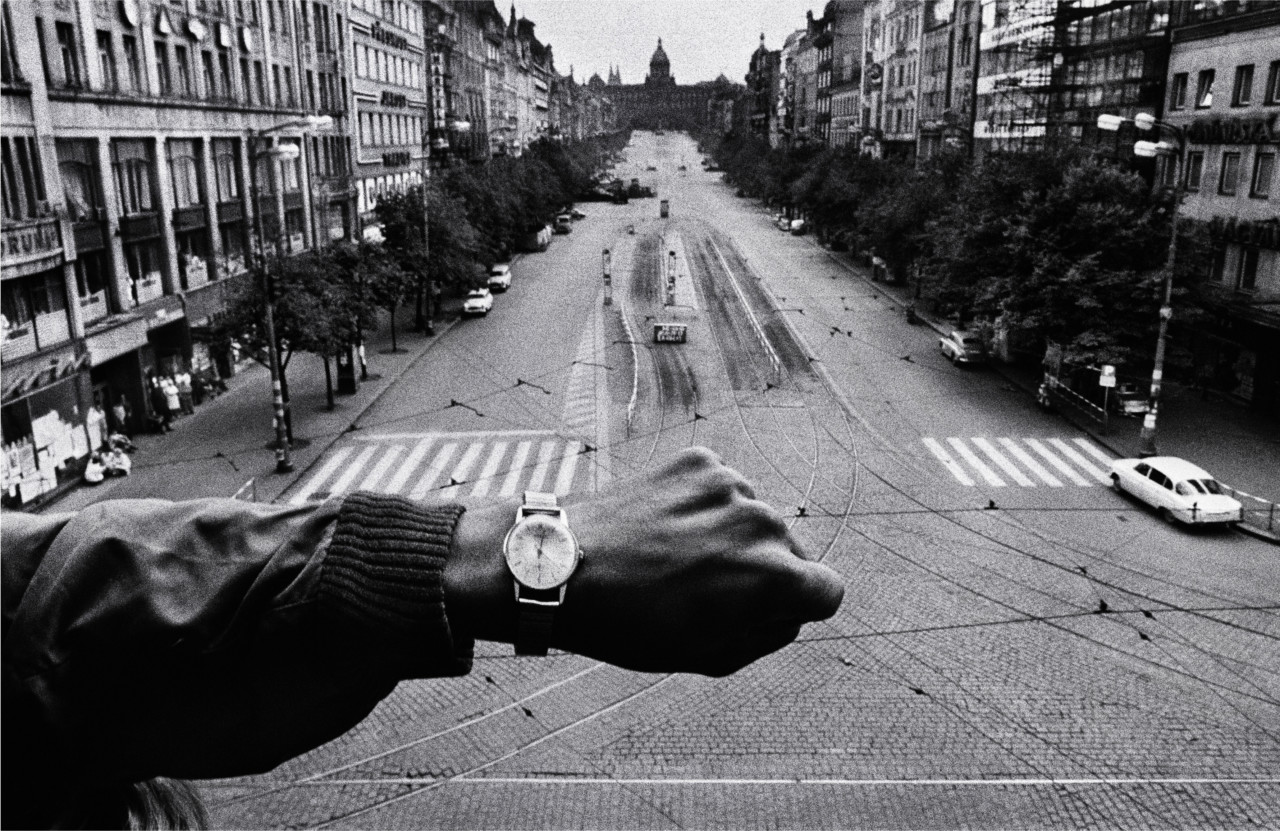
From my own research, I came to the conclusion that this “genre” was formed more in hindsight—that is, the role models we know today were photographing long ago without bothering themselves with what genre it was. Names such as Henri Cartier-Bresson (HCB), Garry Winogrand, Elliott Erwitt, William Klein, Diane Arbus, Robert Frank, Lisette Model, and many photographers working in Europe did not worry about what genre their work belonged to. Later, when their images were categorized under this label, they rather disliked it. They did not consider themselves street photographers, and that seems logical: they photographed to express their creativity, and the label added afterward can even feel misplaced. They loved photographing the life around them—capturing authentic, unique moments that reflect humanity and everyday life. It is a way to explore and understand the world.
For many photographers, this was also a way to decompress, not an end goal in itself. Since most photographers also did professional work day to day, it was a way to do something that mattered to them. I once came across a comment by HCB where he did not want his work to be called photographic art, nor did he like being called a street photographer. Winogrand also didn’t like being called a street photographer—he asked to be called simply a photographer. He just recorded life, and that’s all. But because they did it so powerfully, it couldn’t go unnoticed, and this way of photographing began to be widely imitated and practiced. I think at some point there was simply a need to give it a name—and that’s how the genre was born.
In addition, historical reasons certainly played an important role in the formation of street photography as a genre. With the invention of photography, people soon realized it was an excellent way to document life. People and their everyday ways of living fascinated many. For example, in England the magazine Street Life in London was published in 1876–77, and later a book was published based on its photographic material. Showing images in newspaper and magazine columns was also common in other countries—for example, Lisette Model worked for a newspaper where her task was to document street life in New York.
Another interesting story is that of a photographic group that emerged in France after World War I, which left a very strong mark on the development of what we know as classical street photography. Their style was called social fantastic of the street. It was a romantic/poetic style, more characteristic of painting. From it grew a very carefully composed and thoughtfully constructed visual language—familiar to us from the work of HCB, Willy Ronis, and Robert Doisneau.
Meanwhile, in America a very different style was developing—one that is closer to contemporary photography. Captured moments that are not always as compositionally “correct,” and whose technical aspects might make some European photographers shake their heads. Today, we call all of it a classic, and rightly so, because through the creative work of these different photographers, modern street photography has taken shape.
A few more interesting facts from the classics
William Klein introduced a “rule” of street photography: close up. He photographed people with an unusually wide lens, and often his frames did not follow the compositional norms of the time. His images were rather dark and raw, which in turn made them feel very honest. In his work you can find many portraits and images created through interaction with people. Elliott Erwitt believed that content is more important than form. When photographing people, he liked to get their attention, and for that he carried a bicycle horn in his pocket—this also helped him connect with people.
Lisette Model, on the other hand, often liked to crop her images to bring people closer. The people in her photos were more like the opposite of beauty ideals—she didn’t like photographing so-called “beautiful” people, but real life.
Robert Frank’s work was also too bold and unexpected for its time, but today it is pure classic.
So, in summary, I would call classics those who have contributed to the development of today’s street photography as a genre—and the authors of images that may seem surprisingly weak to us today could one day also be classics for future generations.